In this article
What you’ll learn
- Gamification lifts task performance through dopamine-driven rewards.
- Using a mix of "citizenship chores" and "extra-mile" paid tasks prevents a toxic rewards economy.
- Modern 2026 trends include AI-verified cleaning and smart home automation integration.
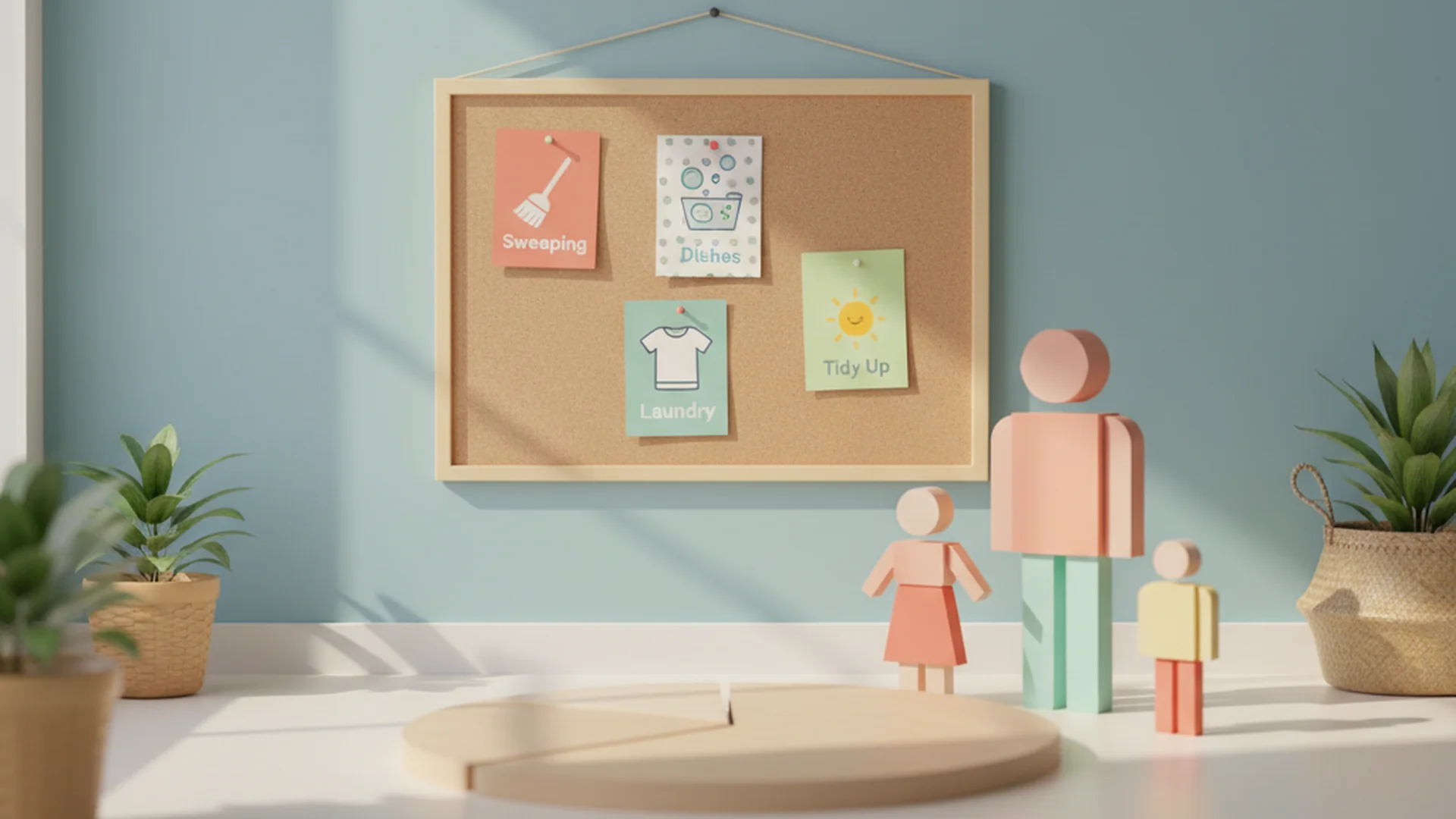
If you feel like you spend more time nagging your children to clean than they spend actually cleaning, you aren’t alone. Most households run into a startling "Reminder Gap": parents can easily spend more time chasing a job than the child spends actually doing it. This constant friction can turn a home into a battlefield. However, many parents are finding peace by implementing a chore leaderboard family system that turns mundane tasks into a rewarding, gamified experience.
By shifting the focus from "work" to "achievement," a leaderboard taps into the same psychological triggers that make video games so addictive. Whether you are looking for chore leaderboard family ideas or a step-by-step guide on how to chore leaderboard family members of different ages, this guide will provide the blueprints for a cleaner home and more motivated kids.
The Science of Why Family Leaderboards Work
Why does a simple list of names and points change behavior so drastically? It comes down to the "Dopamine Hit." Gamified systems—specifically those that incorporate points and leaderboards—are remarkably good at lifting how much actually gets done.
When a child checks a box on a leaderboard and sees their name climb above their sibling’s, their brain releases dopamine, the "reward molecule." This shift moves a child’s mindset from avoidance to achievement. Instead of seeing a pile of laundry as a burden, they see it as 50 points toward their weekly goal.
The Self-Determination Framework
To make a leaderboard sustainable, focus on the three pillars of intrinsic motivation:
- Autonomy: Let your kids "apply" for or choose their tasks for the week rather than assigning them.
- Competence: Use a "Buddy System" to teach them how to do a task correctly before they are expected to do it for points.
- Relatedness: Reframe chores as "contributions to the family team" rather than isolated punishments.
Choosing Your Format: Physical vs. Digital
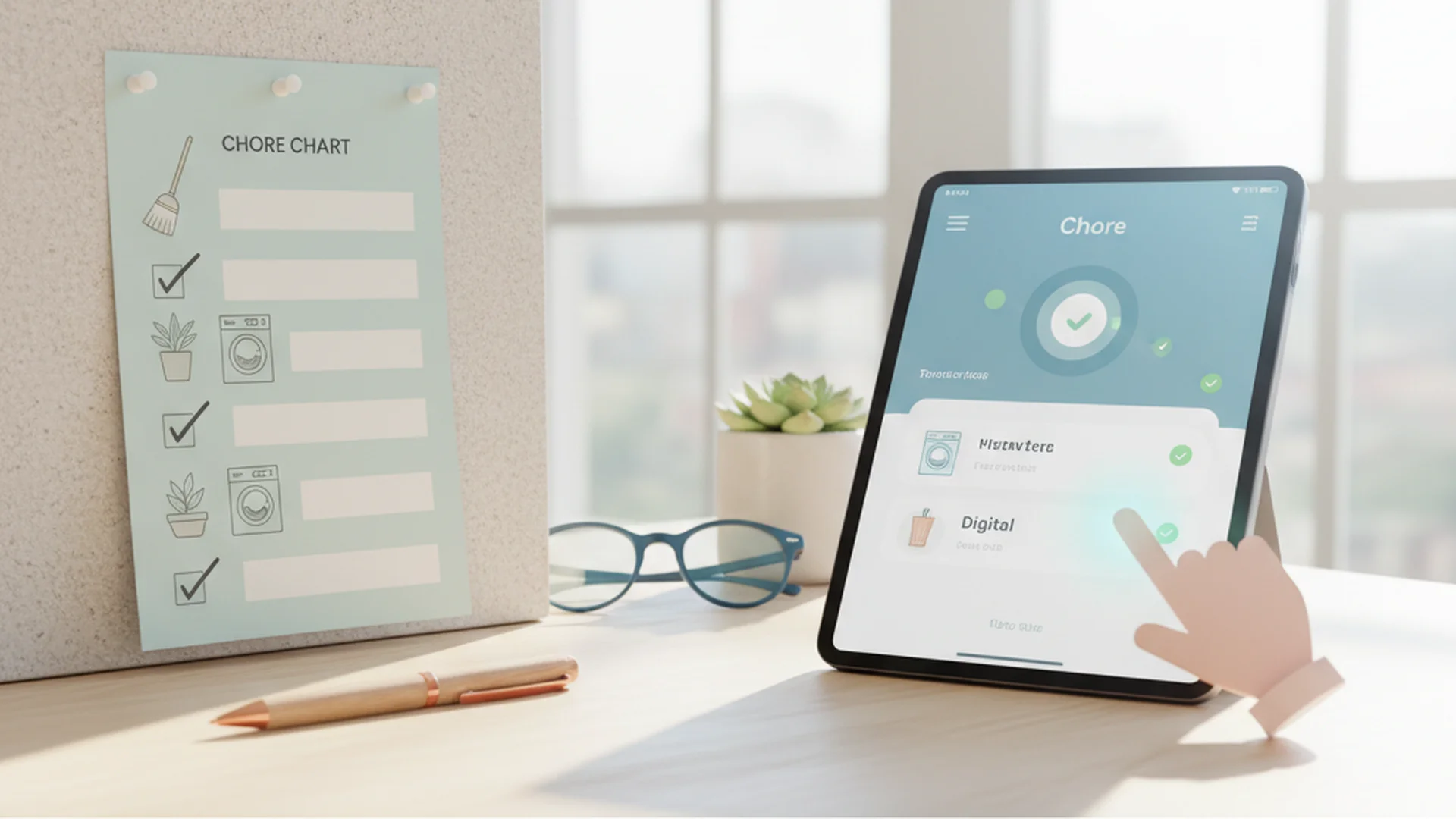
When deciding how to chore leaderboard family routines, the first hurdle is choosing the medium. Both have distinct advantages depending on your family's tech comfort and the ages of your children.
| Feature | Physical (Whiteboard/Magnet) | Digital (App/Smart Home) |
|---|---|---|
| Visibility | Constant and high-traffic | Requires a device or screen |
| Satisfaction | Tactile (drawing/moving magnets) | Digital badges and sound effects |
| Automation | Manual updates required | Automatic resets and reminders |
| Best For | Toddlers and younger children | Tech-savvy teens and busy parents |
Tip: For families with a wide age gap, a hybrid approach works best. Use a physical board in the kitchen for visibility, but sync the points to a digital app like BusyKid for the older kids' allowance.
Real-World Example: The Miller Family
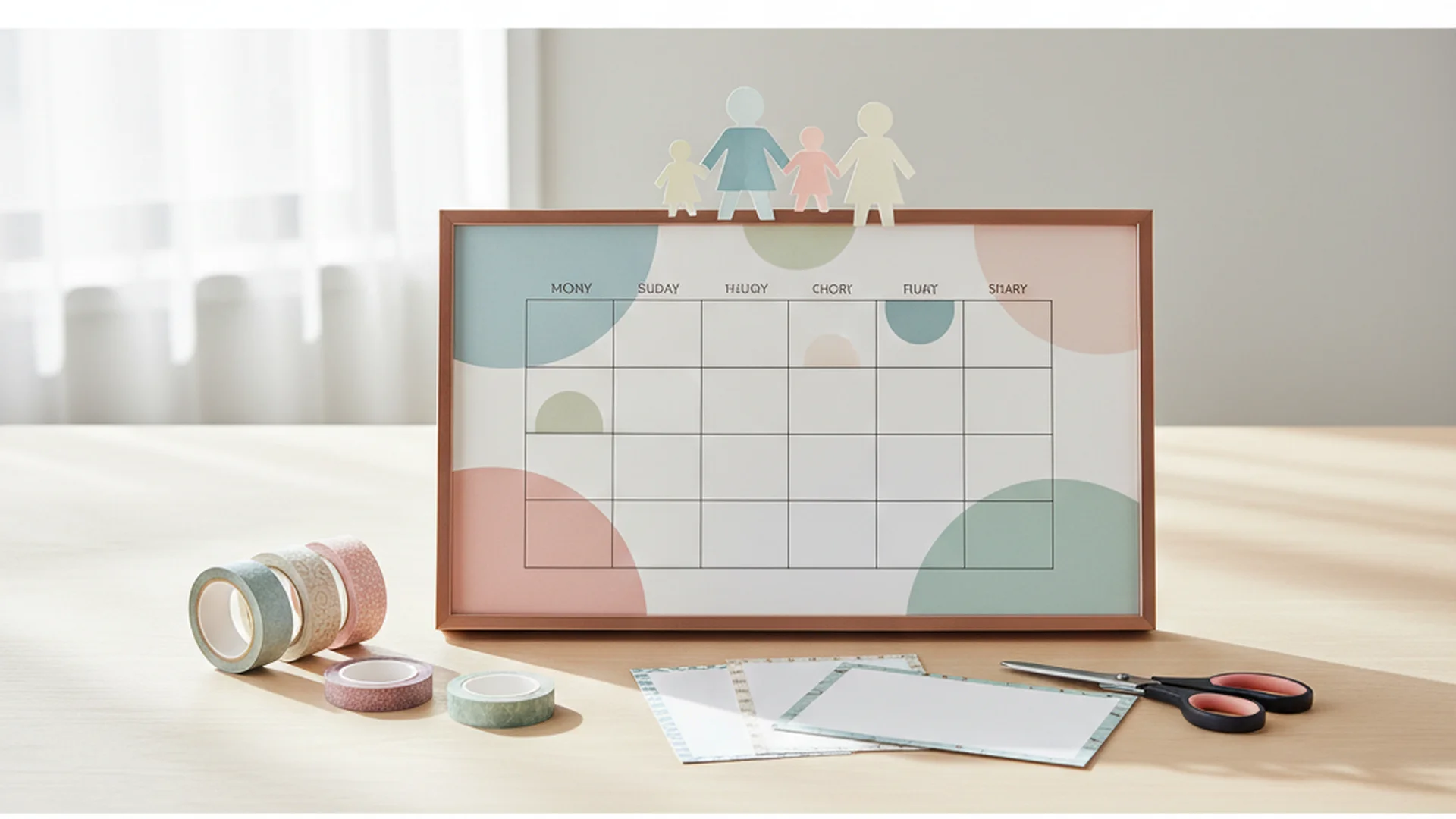
The Millers used a "Low-Tech" physical board for their three children (ages 5, 8, and 12). They used colored magnets to track points. To keep the competition healthy, they didn't just have one winner; they had a "Family Goal" thermometer. Once the total collective points hit 500, the whole family went out for ice cream. This balanced individual competition with team-based rewards.
Age-Appropriate Chore Ideas for Your Leaderboard
A common mistake is giving a 6-year-old the same leaderboard expectations as a 14-year-old. To maintain a fair competition, chores should be weighted based on difficulty.
Toddlers and Preschoolers (Ages 3–5)
Focus on simple, high-visibility tasks that provide quick wins.
- Pick up 10 toys: 10 points
- Put dirty clothes in the hamper: 5 points
- Help feed the pet (with supervision): 10 points
School-Aged Children (Ages 6–11)
These children can handle "Zone Cleaning" responsibilities.
- Clear and wipe the dining table: 20 points
- Empty all small trash cans: 15 points
- Fold a basket of towels: 25 points
Teens (Ages 12+)
Teens should focus on more complex, "invisible" chores that require time management.
- Mow the lawn or weed the garden: 100 points
- Cook one family meal: 75 points
- Clean the bathroom (Deep Clean): 150 points
Warning: Never use chores as a punishment for bad behavior. This builds a negative association that no amount of gamification can fix. Instead, take away privileges like screen time.
2026 Trends: AI and the "Invisible" Leaderboard
As we move into 2026, the chore leaderboard family landscape is being transformed by smart home technology. We are seeing a rise in "Invisible Tech"—where leaderboards are cast onto smart mirrors in the bathroom or managed via voice through an "AI Heartbeat" (like Alexa or Google Home).
Smart-Appliance Verification
Apps like S’moresUp are now integrating with the "Matter" protocol. This allows a dishwasher or a smart washing machine to "report" to the leaderboard that a cycle has been completed and emptied. This removes the need for parents to manually verify every task, significantly reducing the "Reminder Gap."
AI-Integrated Routines
Some 2026-focused systems can detect when a robot vacuum has finished its route and will automatically award points to the person whose job it was to clear the floor of obstacles. Furthermore, apps are moving toward digital currency integration, where points convert directly into crypto or restricted-use debit cards for the child.
Advanced Strategies for Success
If you want your leaderboard to last longer than two weeks, you need more than just a list of names. Use these expert strategies to keep the momentum going.
1. Establish a "Definition of Done"
One of the biggest sources of family conflict is the quality of work. Avoid vague commands like "Clean your room." Instead, list the requirements on the leaderboard:
- All toys in bins.
- Bed made with pillows straight.
- No clothes on the floor.
- Desk surface wiped down.
2. Implement "Point-Decay" Timers
To stop the "I'll do it later" procrastination, use decaying points. A task might be worth 50 points if done before 4 PM, but only 20 points if completed after 6 PM. This creates a sense of urgency similar to time-limited quests in video games.
3. The "Manager Walkthrough"
Points should never be "official" until a 30-second inspection is performed by a parent. This maintains accountability and ensures the "Definition of Done" is being met.
Success: One family found that after introducing a "Definition of Done" checklist, the time they spent quietly re-cleaning after the kids all but disappeared.
Common Mistakes to Avoid
Even the best chore leaderboard family ideas can fail if implemented incorrectly. Watch out for these four common traps:
- The "Rewards Economy" Trap: If you pay for every single task, kids will eventually stop helping unless there is a bribe involved.
- Fix: Use the leaderboard for "Citizenship Chores" (unpaid, expected behavior) and "Extra-Mile Chores" (paid/high-point tasks).
- Over-Complication: If it takes you 10 minutes to update the leaderboard, you will quit.
- Fix: Use "Set it and forget it" templates or automated apps.
- Ignoring the "One Child Always Wins" Problem: If the oldest child always has the most points, the younger ones will lose heart.
- Fix: Implement "Personal Best" goals or handicap the points so younger children can compete fairly.
- Inconsistent Inspection: If you stop checking the work, they will stop doing the work.
- Fix: Schedule a "Review Ceremony" every Sunday night to crown the weekly winner and reset the board.
Note: The goal of a leaderboard isn't just a clean house; it's raising children who understand that their contributions matter to the success of the household.
Frequently Asked Questions
How many chores should my child have?
Should I pay for every chore on the leaderboard?
What if my child refuses to participate in the leaderboard?
Is a physical board or a digital app better?
Conclusion
A chore leaderboard family system is more than just a way to get the laundry folded; it is a tool for building self-esteem, responsibility, and teamwork. By leveraging the power of gamification and the latest 2026 AI trends, you can bridge the "Reminder Gap" and foster a household culture where everyone contributes. Start simple, stay consistent, and remember that the goal is progress, not perfection.
Success: By turning chores into a game, you transition from a "nagging parent" to a "team coach," fostering a much healthier home environment.
Cleaning that keeps score
Every task earns points, every streak multiplies them, and Premium adds a household leaderboard plus a monthly Dustagorgon to beat.
- Free forever
- 30 badges to earn
- Up to 6 in a household
No card needed. Set up your rooms in a couple of minutes.