In this article
What you’ll learn
- Act within 48 hours of moisture exposure to prevent colonization.
- Natural solutions like vinegar and peroxide are often more effective than bleach for porous surfaces.
- Safety equipment (N-95 masks and gloves) is non-negotiable during cleaning.
Discovering a fuzzy green patch in the corner of your bathroom or a musty scent in the basement is enough to make any homeowner panic. Knowing how to remove mold effectively is about more than just aesthetics; it is a critical skill for maintaining both your property value and your family’s health. In 2025, we have better tools than ever to combat fungal growth, but the fundamentals of moisture control remain the same. Whether you are dealing with a small mildew spot or a more stubborn colony, this guide will walk you through the most effective, safe, and modern methods for remediation.
The Hidden Impact of Mold and Mildew
Mold is a significantly more common problem than most people realize—a great many homes have some form of mold growth at any given time. While it might seem like a minor nuisance, the health implications are profound. Damp, moldy homes are a well-recognized trigger for asthma and other respiratory problems.
The economic burden is equally significant, since mold-related respiratory issues drive real medical costs. This is why understanding the "48-hour rule" is vital: mold begins to colonize and grow within just 24 to 48 hours after a water event, such as a leak or high condensation.
Note: Chronic sinus problems can have an environmental cause. If yours never quite clear up, your home environment may be the culprit.
Is it Mold or Mildew?
Before you begin the cleaning process, you must identify what you are dealing with. While the terms are often used interchangeably, they require slightly different approaches.
- Mildew: Usually grows in a flat pattern. It appears powdery and is typically white or gray. It is a surface-level fungus that rarely causes structural damage.
- Mold: Often appears "fuzzy" or slimy. It can be black, green, or even bright red or blue. Mold sends "roots" (hyphae) deep into the material it occupies, which can lead to structural rot if left untreated.
Essential Safety and Preparation
The moment you touch or scrub a mold colony, millions of microscopic spores become airborne. Without proper protection, you will inhale these spores, which can lead to immediate allergic reactions or long-term respiratory distress.
The "Safety First" Kit
Before you attempt to learn the best way how to remove mold, you must suit up. You will need:
- N-95 or P-100 Respirator: A standard dust mask is insufficient; mold spores are small enough to pass right through them.
- Safety Goggles: Ensure they are unvented to keep spores out of your eyes.
- Long Rubber Gloves: To protect your skin from both the mold and the cleaning agents.
- Disposable Coveralls: Ideally, wear clothing you can wash immediately in hot water or disposable suits.
Warning: Never attempt to clean a moldy area larger than 10 square feet (roughly a 3x3 patch) on your own. Large-scale infestations require professional remediation to prevent cross-contamination.
How to Remove Mold Naturally: The "Natural Trio"
Many homeowners are moving away from harsh chemicals in favor of eco-friendly solutions. If you want to know how to remove mold naturally, look no further than these three powerhouse ingredients that are likely already in your pantry.
1. Distilled White Vinegar
White vinegar is a mild acid that kills the great majority of mold species, including the much-feared black mold.
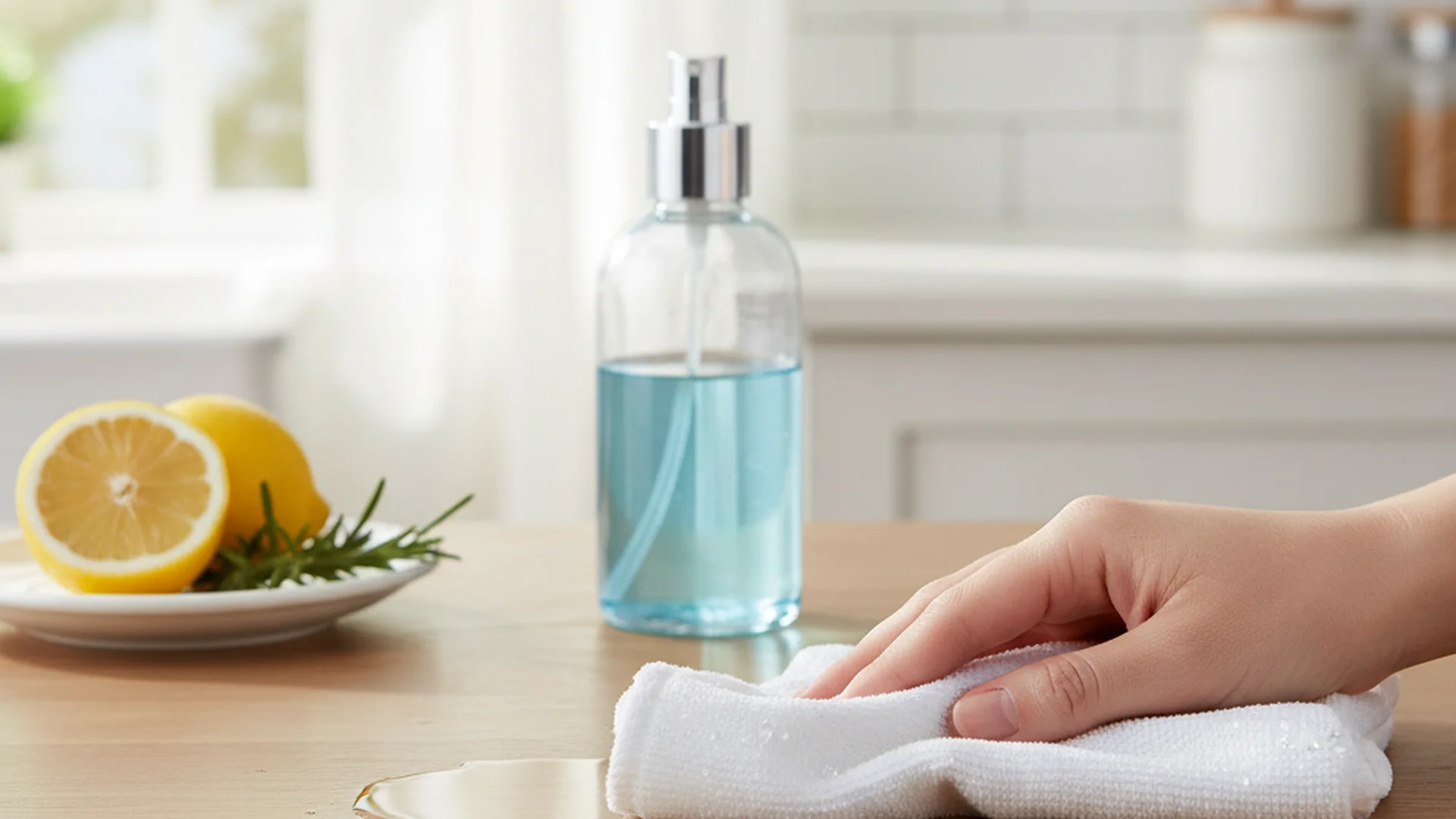
- Method: Pour undiluted vinegar into a spray bottle. Spray the affected area liberally and let it sit for at least one hour. Do not rinse. Wipe the surface clean with a damp cloth.
2. 3% Hydrogen Peroxide
Hydrogen peroxide is an antifungal, antiviral, and anti-bacterial solution that is a fantastic alternative to bleach.
- Method: Spray 3% hydrogen peroxide onto the mold. Let it sit for 10 minutes until it stops bubbling. Scrub the area to remove the remains and wipe dry.
3. Baking Soda
Baking soda is excellent because it kills mold while also absorbing the "musty" odor associated with dampness.
- Method: Mix one-quarter tablespoon of baking soda with water in a spray bottle. Spray the area and scrub with a brush. Rinse the area, then spray it again and let it dry—this leaves a protective layer that inhibits future growth.
Tip: For tough scrubbing on grout, mix baking soda and vinegar into a thick paste. The chemical reaction helps lift mold "roots" from porous surfaces.
Why Bleach is Often the Wrong Choice
One of the biggest misconceptions in home maintenance is that bleach is the ultimate mold killer. In reality, bleach is only effective on non-porous surfaces like glass, tile, or metal.
When you use bleach on porous materials like wood or drywall, the chemical structure of the bleach prevents it from soaking into the material. The water in the bleach solution, however, does soak in, providing the mold roots with the moisture they need to grow back even stronger.
| Surface Type | Recommended Cleaner | Why? |
|---|---|---|
| Tile / Grout | Hydrogen Peroxide | Lifts stains and kills deep roots. |
| Wood / Lumber | Vinegar | Penetrates the fibers to kill the colony. |
| Drywall | Replacement | Mold in drywall is usually structural; cleaning is rarely permanent. |
| Glass / Metal | Dish Soap & Water | Non-porous surfaces only need surface cleaning. |
2025–2026 Trends in Mold Removal
As we move into 2026, technology is changing how we handle indoor air quality. If you want the most advanced results, consider these emerging trends:
- AI-Driven Detection: Homeowners can now use smartphone-attached thermal cameras and AI apps to "see" moisture behind walls before mold even becomes visible to the naked eye.
- DNA-Based Testing: Rather than just counting spores, new "Butterfly DNA" tests can identify the exact species of mold in your dust, allowing for targeted treatment.
- Nanotechnology Coatings: After cleaning, you can now apply nano-antimicrobial coatings that create a microscopic "spiked" surface, physically popping mold spores that land on it for up to five years.
- Smart Dehumidification: Modern HVAC systems now integrate with smart home hubs to maintain "Mold-Safe Zones," automatically keeping humidity between 30% and 50%.
Real-World Examples of Mold Remediation
Example 1: The Bathroom Window Sill
A homeowner noticed black spots appearing on the wooden frame of their bathroom window. Because they acted within the 48-hour window of a heavy rain leak, they were able to use the natural trio. They sprayed the area with undiluted vinegar, let it sit for an hour, and then applied a baking soda paste to scrub the wood. After drying the area with a HEPA-filtered vacuum, the mold did not return.
Example 2: The Finished Basement
After a minor pipe leak behind a basement wall, a homeowner used a thermal imaging camera (a 2025 tech trend) to find a "cold spot." They discovered mold growing on the back of the drywall. Because the area was over 15 square feet, they correctly opted for professional remediation rather than a DIY fix, preventing spores from entering the HVAC system.
Example 3: The Forgotten Attic
During a seasonal organization project, a homeowner found mildew on old cardboard boxes. Since the mildew was flat and powdery, they moved the boxes outside, wiped the non-porous items with hydrogen peroxide, and discarded the infested cardboard. They then installed a smart sensor to monitor attic humidity, preventing a recurrence.
Common Mistakes to Avoid
Even with the right intentions, many people accidentally make their mold problem worse. Avoid these common pitfalls:
- Painting Over Mold: This is perhaps the most dangerous mistake. Mold will continue to eat the drywall or wood underneath the paint, leading to structural failure. Always kill and remove the mold before painting with an antimicrobial primer.
- Using a Power Washer: Using high-pressure water on moldy siding or decks drives the spores deeper into the material and adds excessive moisture, fueling a massive secondary bloom.
- Assuming "Dry" Means "Safe": Mold can thrive in wood that feels dry to the touch but has an internal moisture content above 16%. Use a moisture meter to be sure.
- Ignoring the Source: No amount of cleaning will work if you don't fix the leak or the high humidity first.
Frequently Asked Questions
Can I remove mold myself?
Is bleach the best way to kill mold?
How do I know if it’s mold or just mildew?
Will mold go away if I just dry the area?
Conclusion
Managing mold in 2025 is a combination of quick action, the right protective gear, and choosing the correct cleaning agents. By following the best way how to remove mold—which involves addressing the moisture source first and using penetrating cleaners like vinegar—you can keep your home a healthy environment. Remember that "natural" doesn't mean "weak"; the natural trio of vinegar, peroxide, and baking soda is often more effective than industrial bleach for long-term results.
Success: By maintaining your home's humidity between 30% and 50% and acting within 48 hours of any leak, you can virtually eliminate the risk of mold ever taking hold in your living space.
Cleaning that keeps score
Every task earns points, every streak multiplies them, and Premium adds a household leaderboard plus a monthly Dustagorgon to beat.
- Free forever
- 30 badges to earn
- Up to 6 in a household
No card needed. Set up your rooms in a couple of minutes.