In this article
What you’ll learn
- Consistency and "micro-cleaning" are more effective than weekend deep cleans.
- Natural solutions like vinegar and castile soap are safer and more cost-effective.
- Involving children in chores builds essential executive function and motor skills.
Parenthood is often described as "beautiful chaos," but for many parents, the emphasis quickly shifts to the "chaos" when faced with a living room buried under LEGOs and a kitchen covered in mystery stains. If you feel like you are constantly cleaning after kids only to have the mess reappear five minutes later, you are not alone. It is a relentless cycle that impacts not just the aesthetics of your home, but your mental well-being and your family’s health.
The challenge isn't just about picking up toys; it's about creating a sustainable system that keeps your home functional without sacrificing your entire weekend to a mop and bucket. In this guide, we will explore the best way cleaning after kids can become a manageable part of your daily rhythm using modern techniques, natural solutions, and even the latest 2025 technology.
The Science of the "Kid Mess"
Before we dive into the "how," it is important to understand the "why." Research indicates that the environment our children live in directly affects both their health and our stress levels.
There is a measurable physiological impact, too. A UCLA study published in Personality and Social Psychology Bulletin found that mothers who described their homes as cluttered or full of unfinished projects had flatter daily cortisol patterns—a profile associated with chronic stress. Safety is a major factor as well: a floor strewn with toys is a genuine trip hazard for toddlers and adults alike.
Note: Maintaining a clear floor isn't just about being "tidy"; it is a primary safety measure to prevent falls for both toddlers and adults.
Germ Hotspots You Might Be Missing
While we often focus on the visible clutter, the microscopic mess is just as important. Plastic toys are handled constantly, dropped on floors and routinely put in mouths, so they pick up bacteria far faster than most parents expect. This makes finding a safe, effective method for cleaning after kids naturally a high priority for health-conscious families.
The Natural Cleaning Toolkit
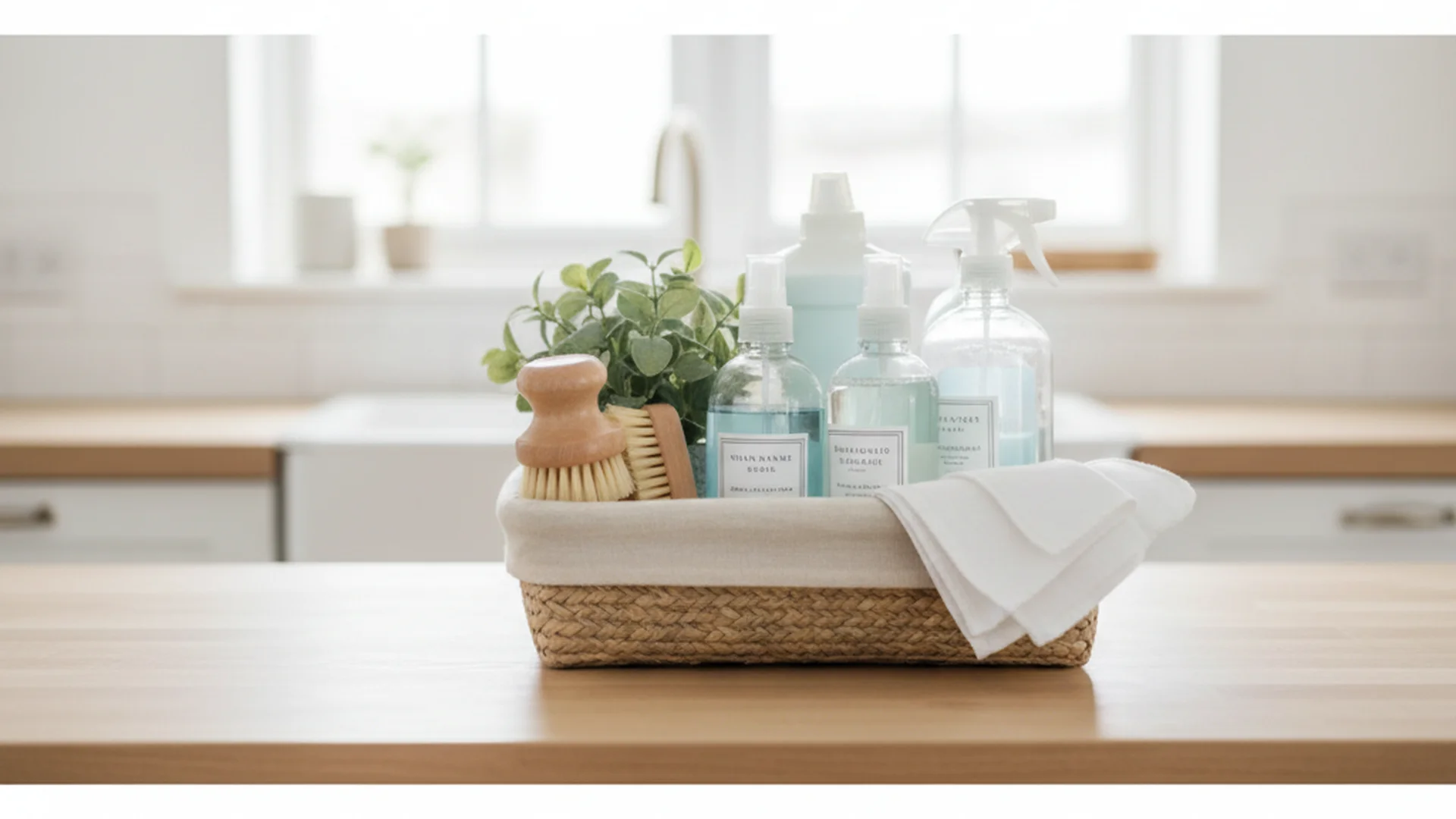
Many parents are moving away from harsh chemicals in favor of safer alternatives. Traditional disinfectants containing bleach or quaternary ammonium compounds ("quats") can contribute to respiratory issues in young children. The best way cleaning after kids today involves high-performance, non-toxic ingredients.
The Essential Recipes
You don't need a cupboard full of expensive sprays. Most household messes can be handled with three simple ingredients:
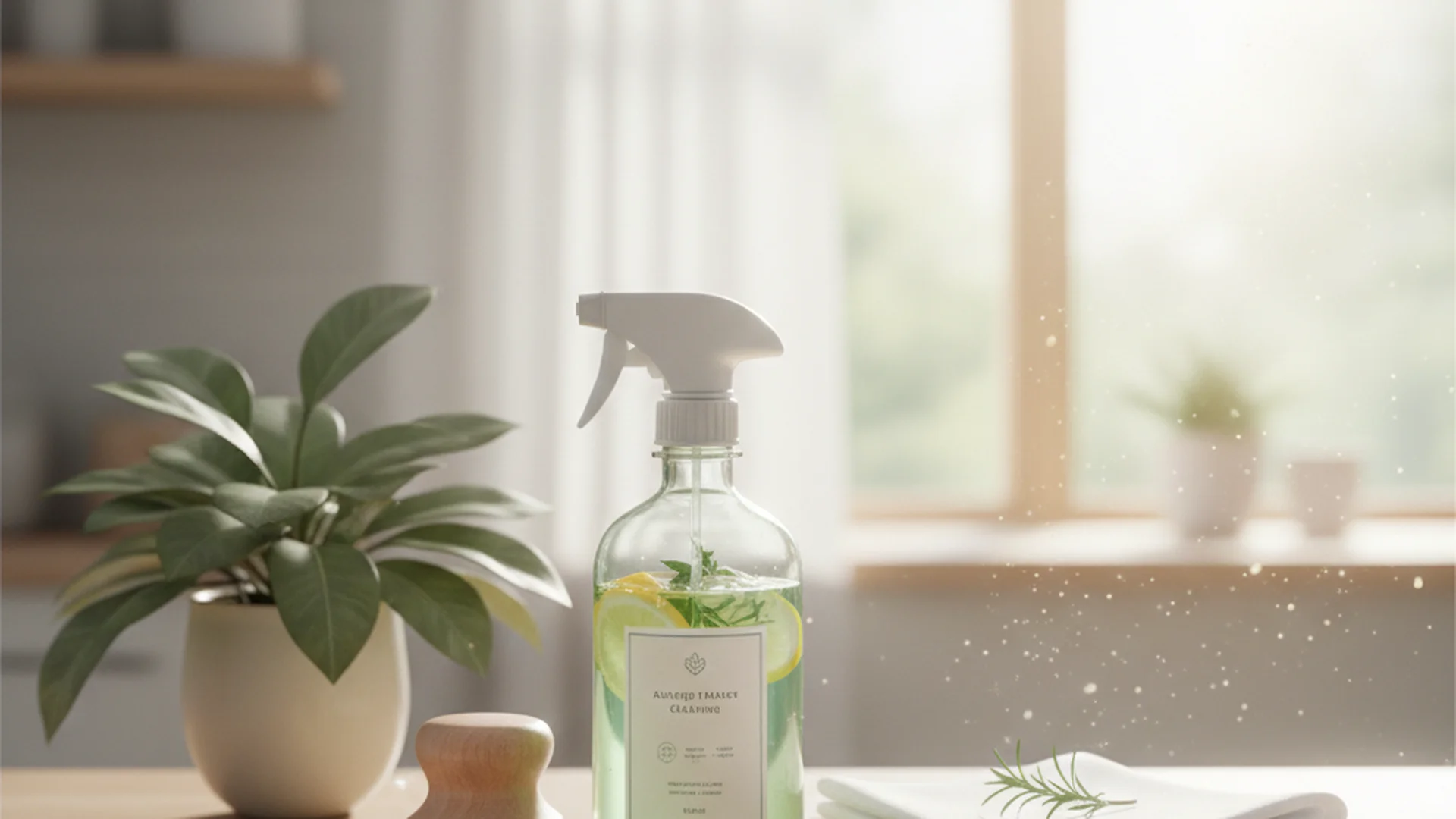
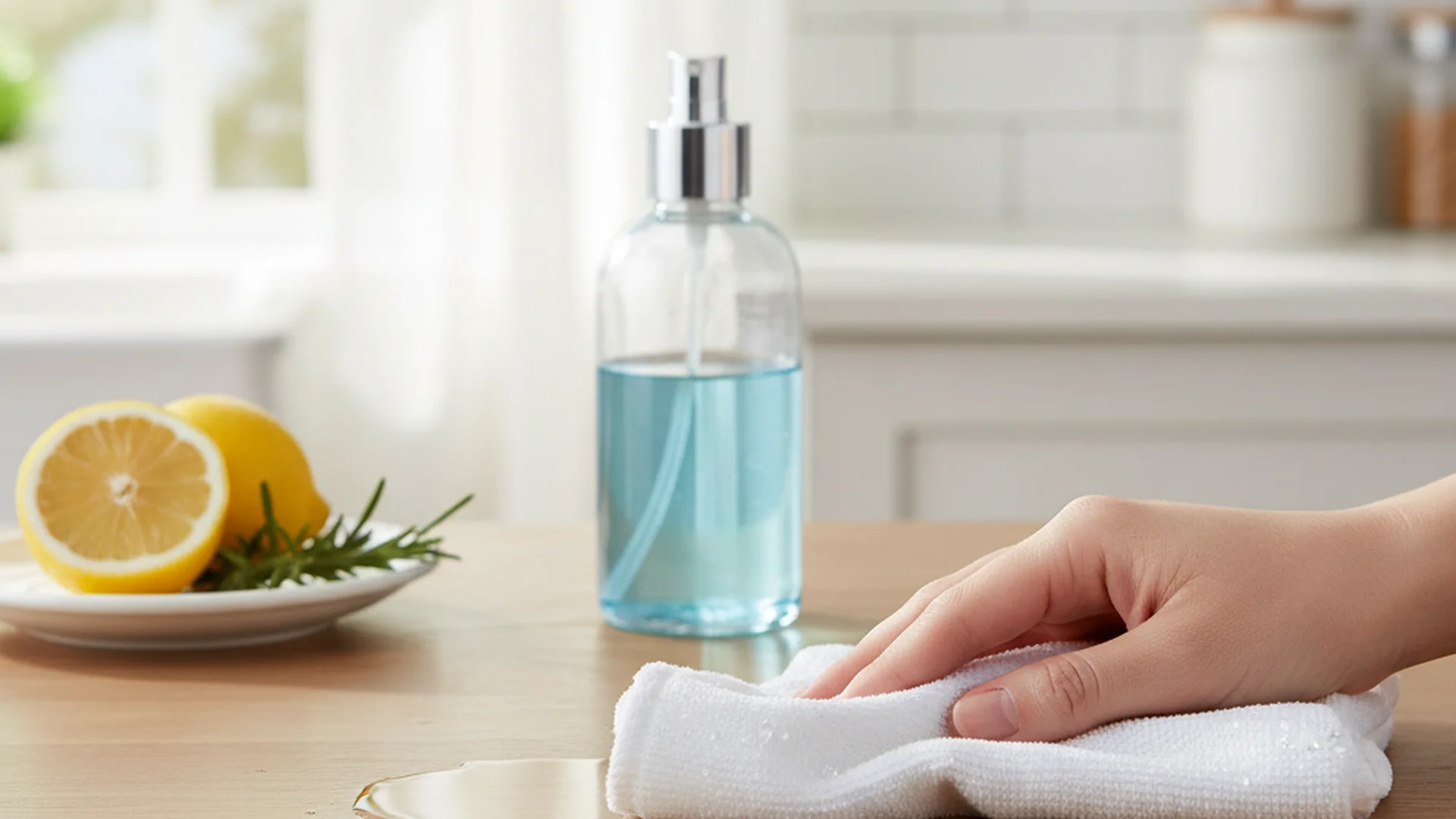
- The All-Purpose Power Mix: Combine 1 part white vinegar, 1 part distilled water, and 10 drops of lemon or tea tree essential oil. This is safe for high chairs, play tables, and countertops.
- The "Art Project" Eraser: For crayon or pencil marks on walls, create a thick paste of baking soda and a tiny bit of water. Rub gently with a microfiber cloth to lift the pigment without stripping the paint.
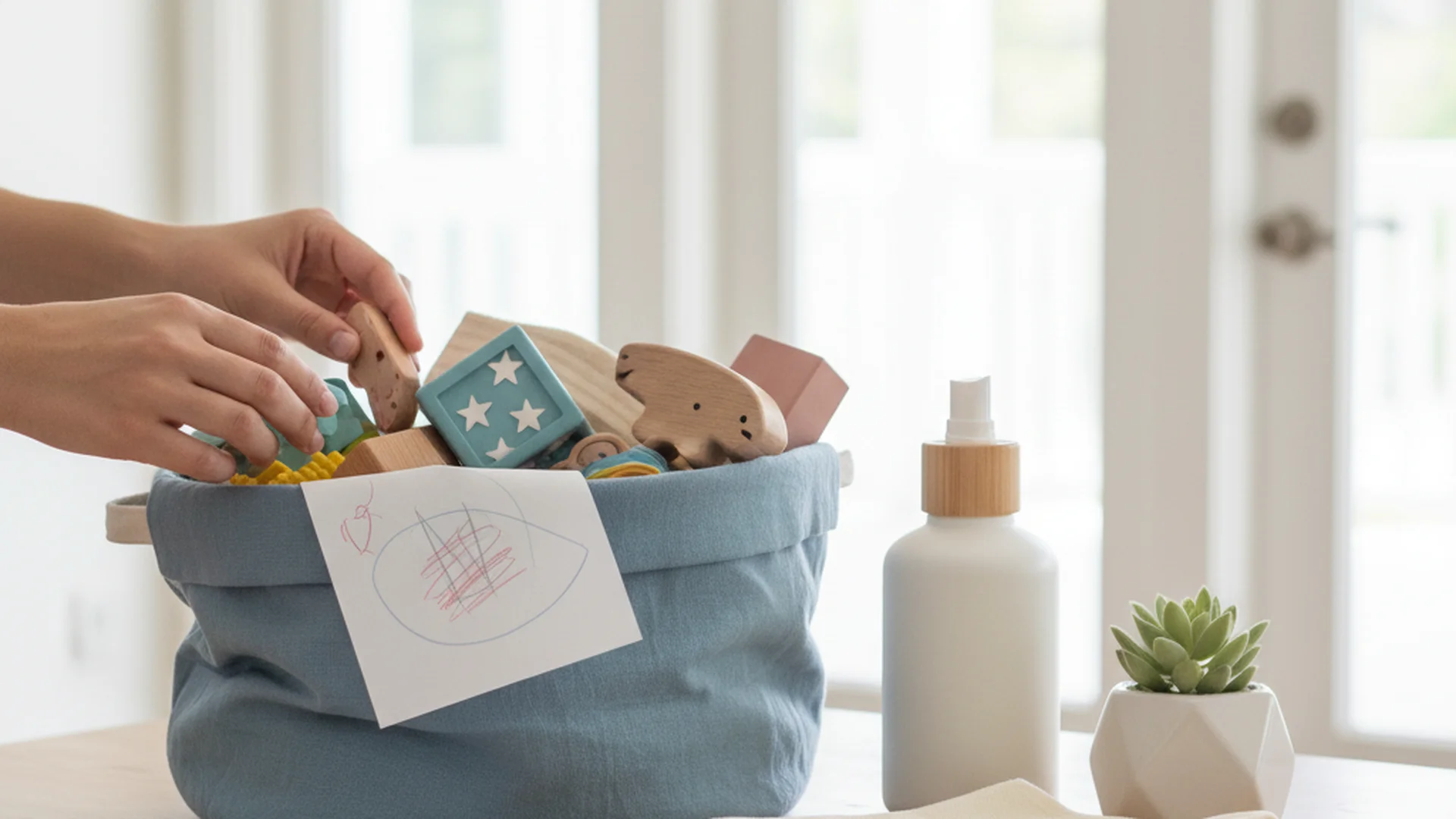
- The Toy Wash: Use liquid Castile soap. It is vegetable-based, non-toxic, and recommended by pediatricians for washing plastic items that might end up in a child's mouth.
Warning: Never mix vinegar (acid) with bleach. It creates toxic chlorine gas. If you are switching from a chemical cleaner to a natural one, ensure the surface is thoroughly rinsed first.
| Surface Type | Cleaning Agent | Tool |
|---|---|---|
| Plastic Toys | Castile Soap | Basin/Sink |
| Walls/Crayons | Baking Soda | Microfiber Cloth |
| Windows/Glass | Vinegar/Water | Squeegee |
| Plushies | Gentle Cycle | Laundry Bag |
Strategies for a Sustainable Routine
The secret to a clean home with children isn't a single marathon cleaning session; it's the implementation of "Micro-Resets."
The 10-Minute Family Reset
Instead of waiting for the mess to become overwhelming, implement a "Family Reset" before bed. This isn't a deep clean. The goal is to return the living room to "neutral." Set a timer for 10 minutes, put on some upbeat music, and have everyone participate in putting items back in their designated bins.
Transition Cleaning
Teach your children that cleaning is part of the activity, not a separate chore. A simple rule like "We can't take out the paints until the blocks are back in their box" helps prevent the "stacking" of messes throughout the day.
Success: Families who implement transition cleaning often find the evening tidy-up far less draining, because messes never get the chance to stack up on top of each other.
Age-Appropriate Chores: Cleaning With, Not For
One of the most common mistakes parents make is cleaning for their children rather than with them. By age three, children have the motor skills to help. Involving them helps develop executive function—the mental skills that include working memory, flexible thinking, and self-control.
Ages 2-4: The Helpers
At this age, focus on "gross motor" tasks. They can put toys in a bin, help put dirty clothes in a hamper, or "dust" lower surfaces with a clean sock on their hand.
Ages 5-8: The Taskmasters
Children in this bracket can take on more specific roles. They are capable of clearing the table, sorting laundry by color, and using a handheld vacuum for small spills.
Ages 9-12: The Partners
By this age, kids can manage their own rooms, help with the dishes, and even use the natural vinegar spray to wipe down bathroom counters.
Tip: Use a "visual chore chart" for younger children. Seeing a sticker or a checkmark provides immediate dopamine hits that make cleaning feel like a win.
2025 Tech: Smarter Home Maintenance
As we move through 2025, technology has caught up with the chaos of parenting. If you are looking for the modern best way cleaning after kids, these tech trends are changing the game.
AI-Enhanced Vacuums
The latest 2025 robotic vacuums (such as the newest models from Roborock or Dyson) feature "Object Recognition 3.0." These machines are specifically programmed to identify and avoid small toy pieces like LEGOs or scattered puzzle pieces. Gone are the days of your vacuum "eating" a prized toy and breaking its motor.
Probiotic Cleaners
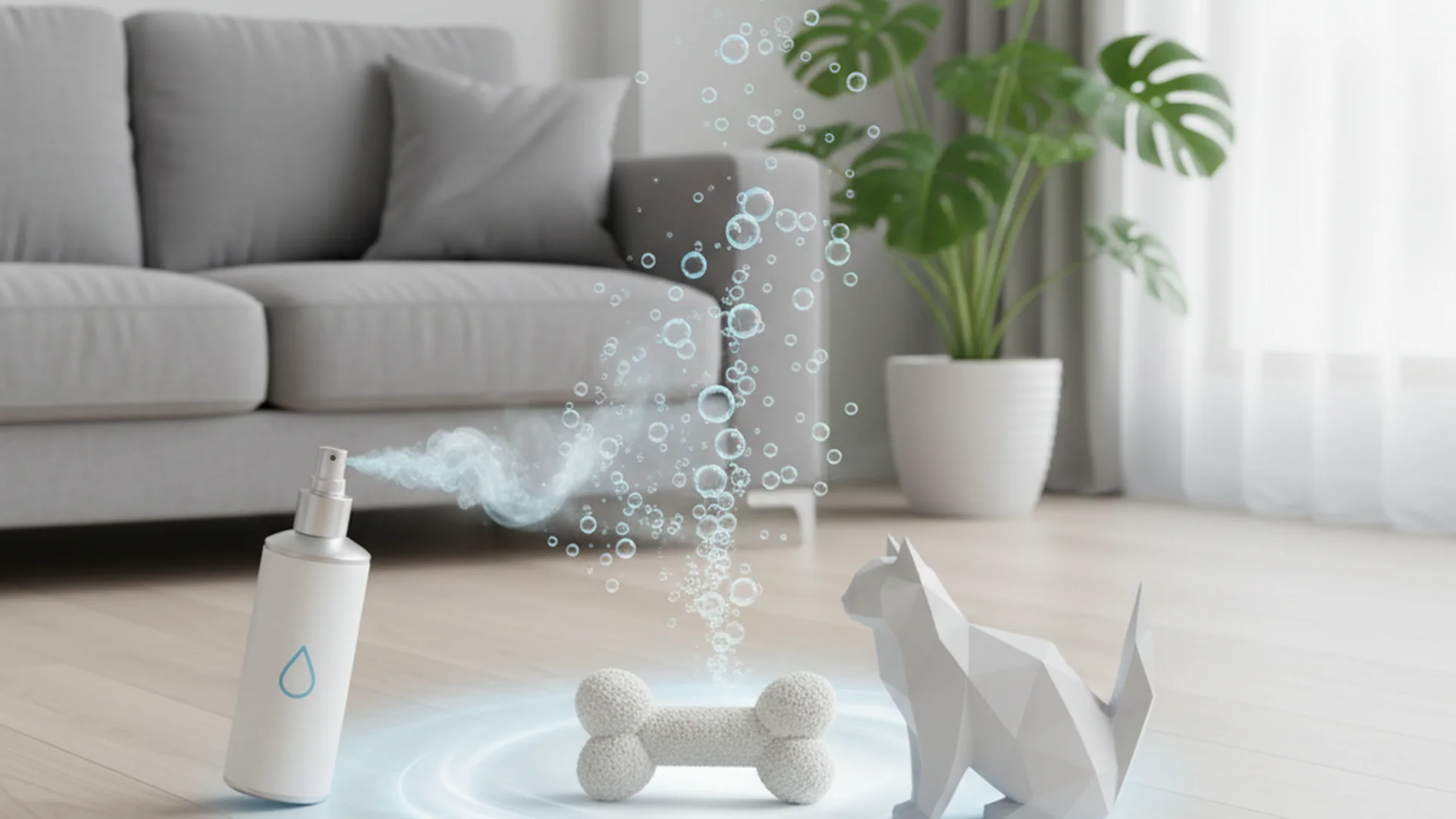
A major trend in 2025 is the shift toward probiotic cleaners. Instead of trying to kill 99.9% of all bacteria (including the good kind), these sprays use "beneficial bacteria" to create a healthy microbiome on your home surfaces. They continue to "eat" organic matter (like skin cells or food crumbs) for days after you spray.
Eco-Refill Stations
To reduce plastic waste, many parents are now using "forever bottles"—heavy-duty glass or silicone containers—paired with dissolvable cleaning tablets. It is an eco-friendly way to keep up with the constant need for refills when cleaning after kids naturally.
Common Mistakes to Avoid
- The "Weekend Deep Clean" Fallacy: Waiting for Saturday to clean creates a "clutter mountain" that is mentally exhausting and ruins your time off. Aim for 15 minutes of daily maintenance instead.
- Over-Sanitizing: Unless there is an illness in the house, you don't need hospital-grade disinfectants. Over-sanitizing can actually weaken a child's developing immune system.
- Vague Instructions: Telling a child to "clean your room" is overwhelming. Instead, give specific, bite-sized tasks like "put all the blue cars in the red bin."
- Ignoring "Toy Creep": If you have more toys than storage space, no amount of cleaning will make the house feel tidy. Implement a "One-In, One-Out" rule to keep the inventory manageable.
Frequently Asked Questions
How do I get my kids to actually help clean?
What are the best non-toxic cleaners for a nursery?
How do I remove slime or playdough from the carpet?
How often should I sanitize plastic toys versus plushies?
How do I manage toy clutter in a small apartment?
Conclusion
Cleaning up after kids doesn't have to be a losing battle. By shifting your focus from "perfection" to "functionality" and utilizing natural, effective solutions, you can reclaim your home and your peace of mind. Remember, the goal isn't a museum-perfect house; it's a healthy, safe environment where your family can thrive.
Embrace the tools available in 2025—from AI-assisted vacuums to the simplicity of a vinegar spray—and involve your children in the process. In doing so, you aren't just cleaning a floor; you are teaching your children respect for their environment and the value of contribution.
Cleaning that keeps score
Every task earns points, every streak multiplies them, and Premium adds a household leaderboard plus a monthly Dustagorgon to beat.
- Free forever
- 30 badges to earn
- Up to 6 in a household
No card needed. Set up your rooms in a couple of minutes.