In this article
What you’ll learn
- Never soak real wood blinds in water as it causes permanent warping.
- Regular weekly dusting reduces allergens and extends blind lifespan to 15 years.
- The "sock puppet" hack is the most efficient way to clean both sides of a slat at once.
Real wood blinds are more than just a window covering; they are a premium investment in your home’s aesthetic and energy efficiency. In the current era of "biophilic design," where we strive to integrate natural elements into our living spaces, wood blinds have become a staple for homeowners seeking warmth and sustainability. However, wood is a porous, living material that requires specific care. If you are wondering how to clean wood blinds without damaging their finish or structure, you are in the right place.
Maintaining these fixtures isn't just about appearances. High-quality wood blinds can reduce your energy bills by up to 25% by providing superior insulation. To keep them functioning and looking their best, you need a strategy that prioritizes gentle care over aggressive scrubbing.
Why Proper Wood Blind Maintenance Matters
Because real wood blinds cost two to three times more than synthetic alternatives, improper cleaning is an expensive mistake.
Beyond the financial aspect, indoor air quality is a major factor. Blinds act as a massive "dust shelf" in your home, trapping pet dander, pollen, and dust mites. For those with respiratory sensitivities, knowing the best way clean wood blinds is a health necessity. Regular maintenance can extend the lifespan of your blinds to 15 years, ensuring that your biophilic investment continues to pay dividends in both style and home health.
The Best Way to Clean Wood Blinds Without Taking Them Down
Most homeowners fear that cleaning blinds requires unmounting them from the window. This is a misconception that often leads to damaged cord mechanisms or bent slats. The modern standard is to clean them while they are hanging. This maintains the necessary tension on the internal strings and prevents the hardware from being stressed.
The Vacuum-First Approach
Before you introduce any moisture or oils, you must remove the loose debris. Use a vacuum cleaner equipped with a soft brush attachment. Set the vacuum to its lowest suction setting to avoid snapping the slats.
- Close the blinds so they are lying flat against the window.
- Hold the bottom rail to steady the blinds.
- Vacuum horizontally, moving from the center out toward the edges.
- Rotate the slats 180 degrees and repeat the process on the other side.
Tip: Always vacuum from the top of the window downward. Dust naturally falls as you work; starting at the top ensures you don't contaminate sections you’ve already cleaned.
The "Sock Puppet" Hack for Efficiency
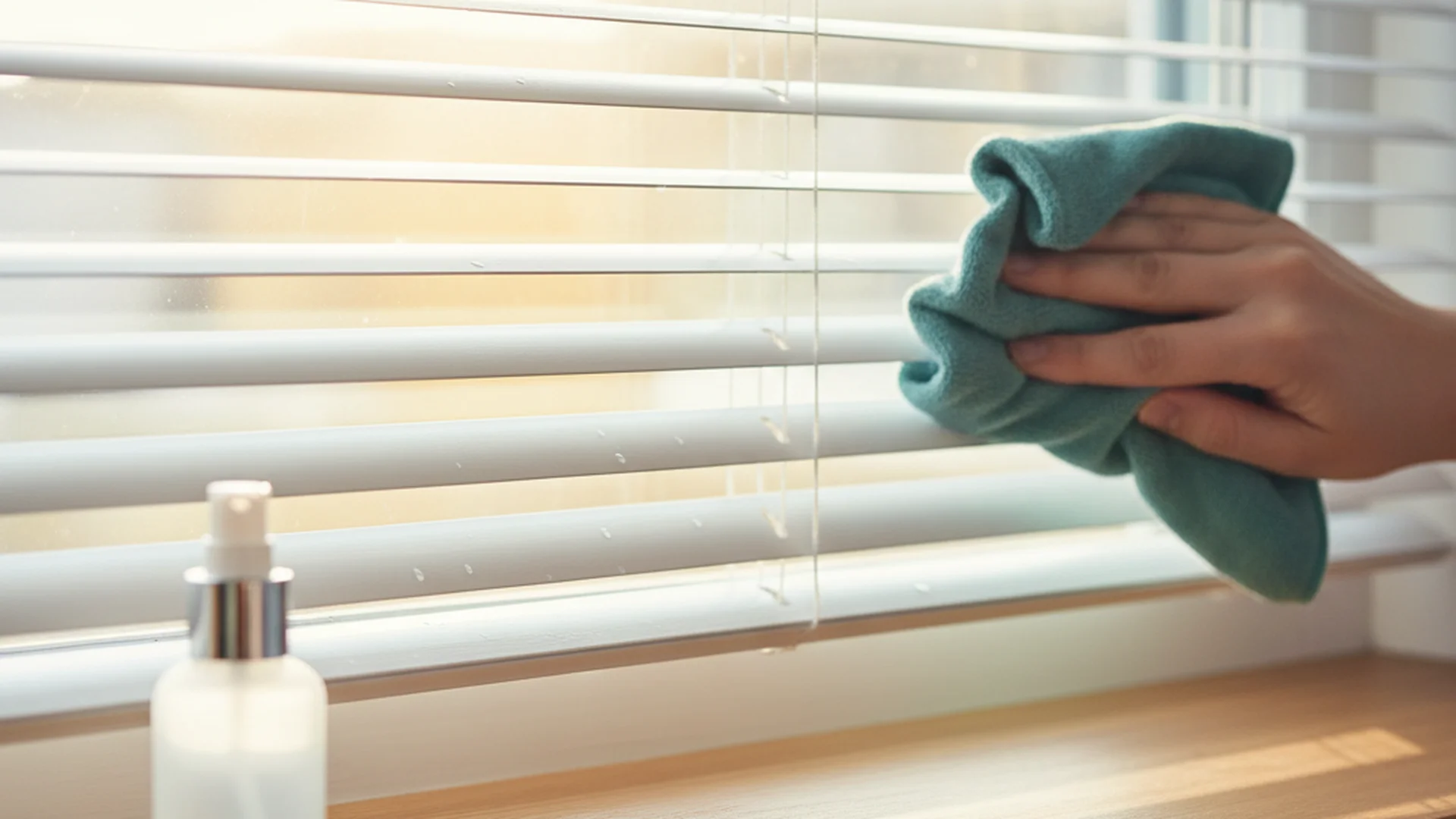
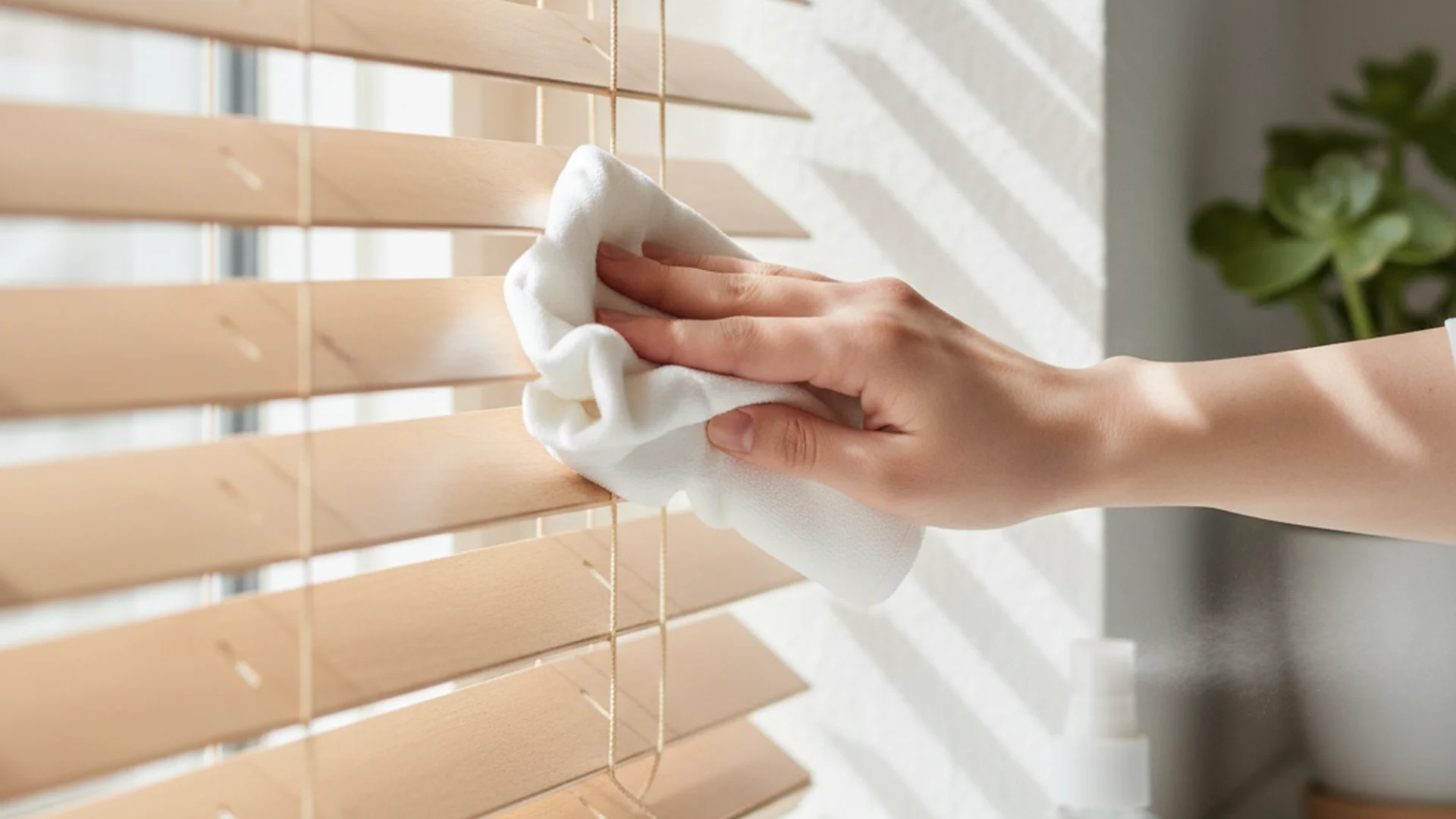
If your blinds have a layer of "sticky" dust that a vacuum can't move, the sock puppet method is a game-changer. This is often cited as the best way clean wood blinds because it allows you to clean both sides of the slat simultaneously.
Real-World Example: Imagine a home office where the blinds haven't been touched in months. A thick layer of grey dust has settled. Instead of wiping each side individually, you slide a clean cotton sock over your hand, lightly spritz it with a wood-safe cleaner, and "pinch" each slat between your fingers. As you slide your hand from left to right, you are cleaning the top and bottom in a single motion.
The Tongs Method for Speed
For those with large windows or multiple rooms to tackle, kitchen tongs can be repurposed into a professional-grade cleaning tool. Wrap two microfiber cloths around the ends of a pair of kitchen tongs and secure them with rubber bands. This creates a dual-sided cleaning wand that provides firm, even pressure across the entire length of the wood slat.
Success: Using the tongs method can cut your cleaning time by nearly 50%, making it much easier to stick to a regular maintenance schedule.
Real Wood vs. Faux Wood: Know the Difference
Before applying any cleaning products, you must verify the material. The care instructions for real wood are drastically different from faux wood or vinyl.
| Feature | Real Wood Blinds | Faux Wood Blinds |
|---|---|---|
| Grain | Unique, irregular patterns | Repeating, uniform patterns |
| Weight | Lightweight and easy to lift | Heavy; requires more effort |
| Edges | Often show raw wood grain | Usually consistent color/texture |
| Water Tolerance | Very Low (Porous) | High (Non-porous) |
| Cost | Premium ($$$) | Budget-friendly ($) |
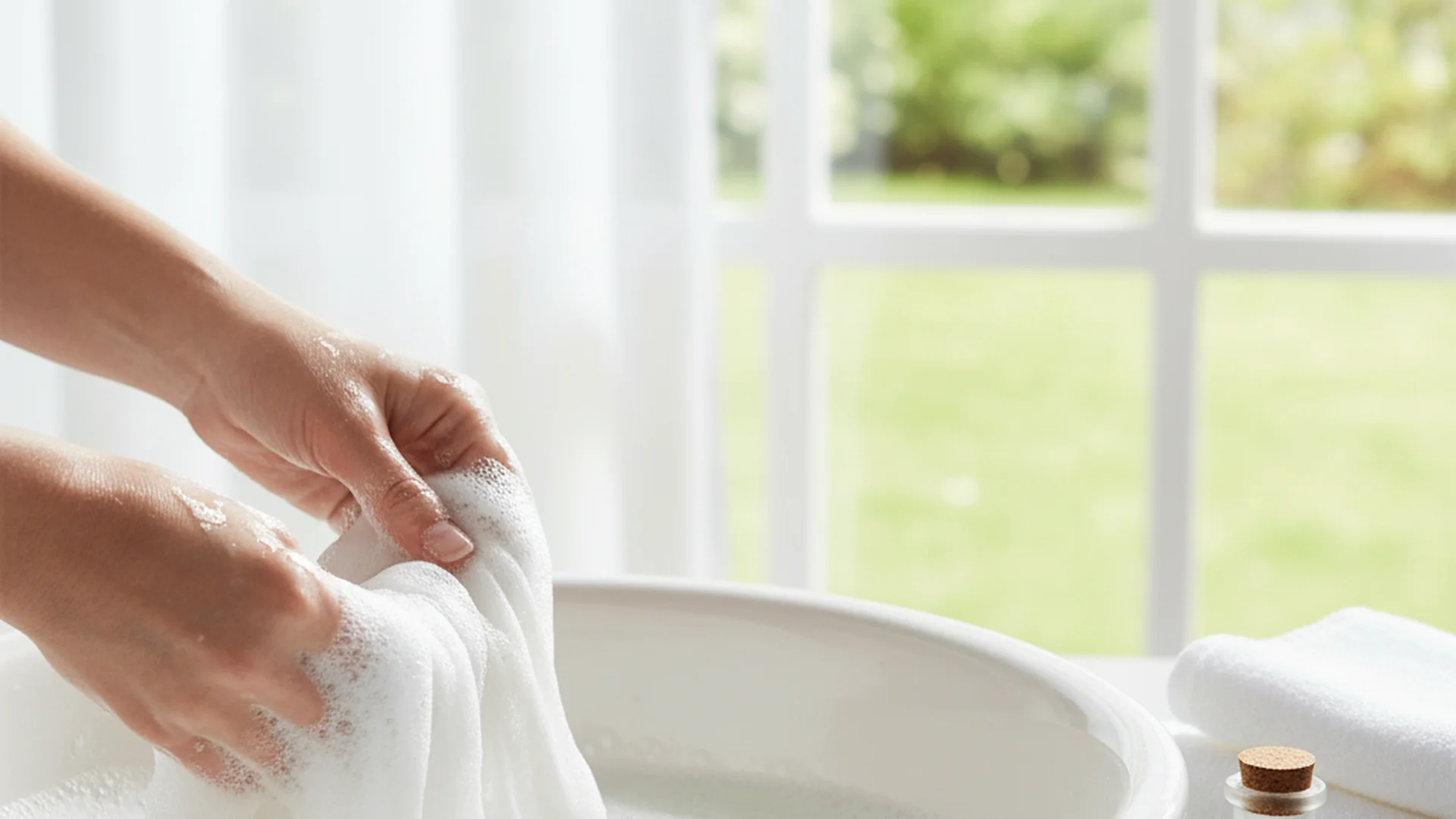
Warning: Never use the "bathtub soak" method on real wood blinds. While this works for plastic or metal, soaking real wood will cause the fibers to swell, leading to permanent cracking and warping within minutes.
Advanced 2025-2026 Trends in Blind Care
As we move into 2025 and 2026, the technology surrounding home maintenance is evolving. Here are the latest industry standards you should be aware of:
Low-VOC Finishes and Health
A major trend in 2025 is the shift toward Low-VOC (Volatile Organic Compounds) coatings. Modern wood blinds are treated with finishes that don't "off-gas" chemicals when exposed to the sun's heat. When cleaning, it is vital to use pH-neutral, natural cleaners to avoid stripping these protective, health-conscious layers.
Smart Blind Integration
With more homes adopting motorized window treatments, cleaning has become a technical task. 2025 guidelines recommend disconnecting the power source or removing battery packs before using any damp cloths near the headrail. Moisture entering the motorized housing can short-circuit the smart components, leading to costly repairs.
Biophilic Materials: Bamboo and Woven Woods
By 2026, we expect to see an even greater shift toward sustainable materials like bamboo and woven woods. These materials are often even more delicate than traditional stained oak or basswood. For these, dry dusting only is the gold standard, as they often lack the heavy protective sealants found on traditional blinds.
Common Mistakes to Avoid
Even with the best intentions, it is easy to ruin wood blinds if you follow outdated advice.
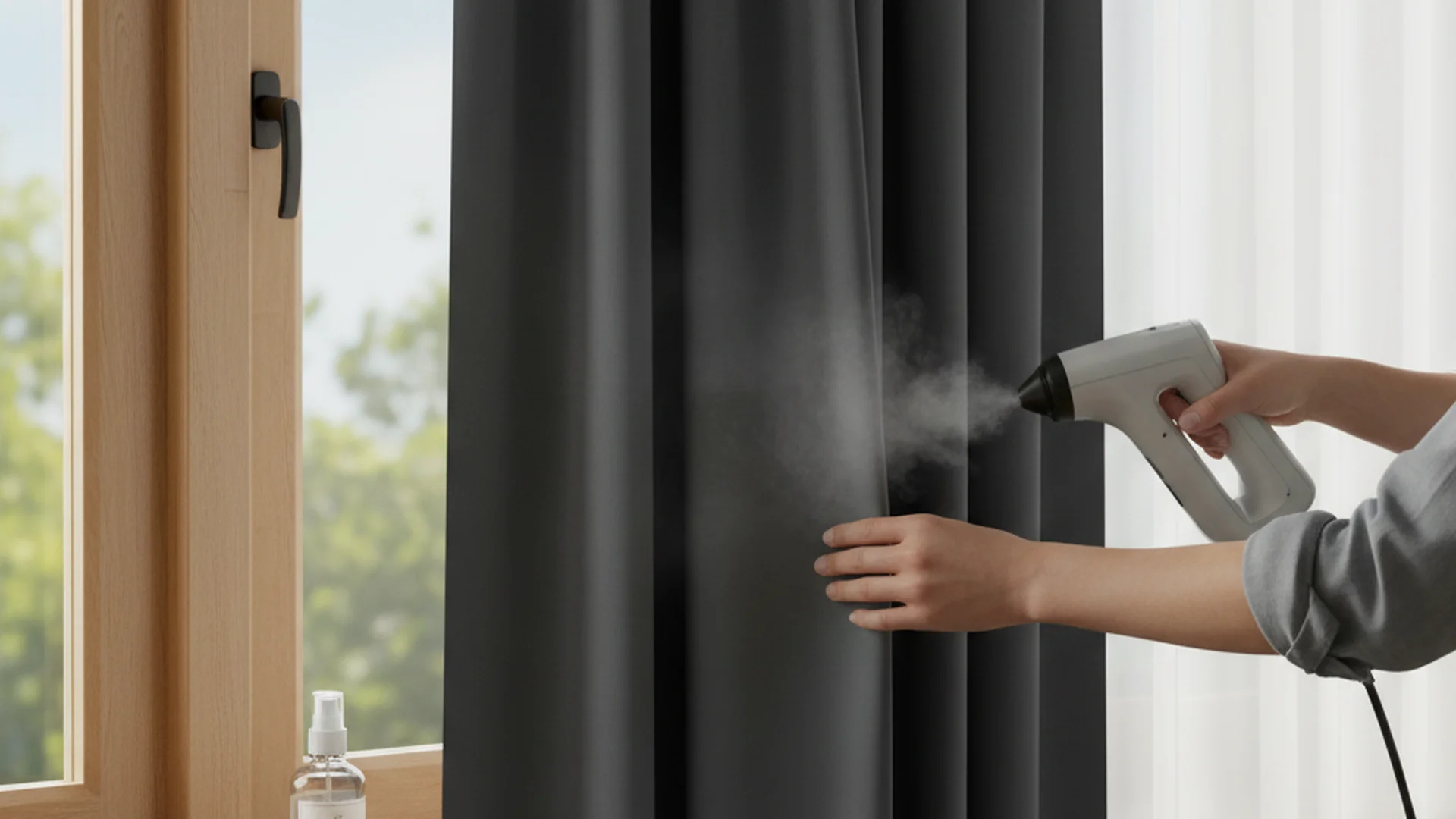
- Using Steam Cleaners: High heat and moisture are the enemies of wood. Steam breaks down the glues and lignin in the wood fibers, resulting in instant warping.
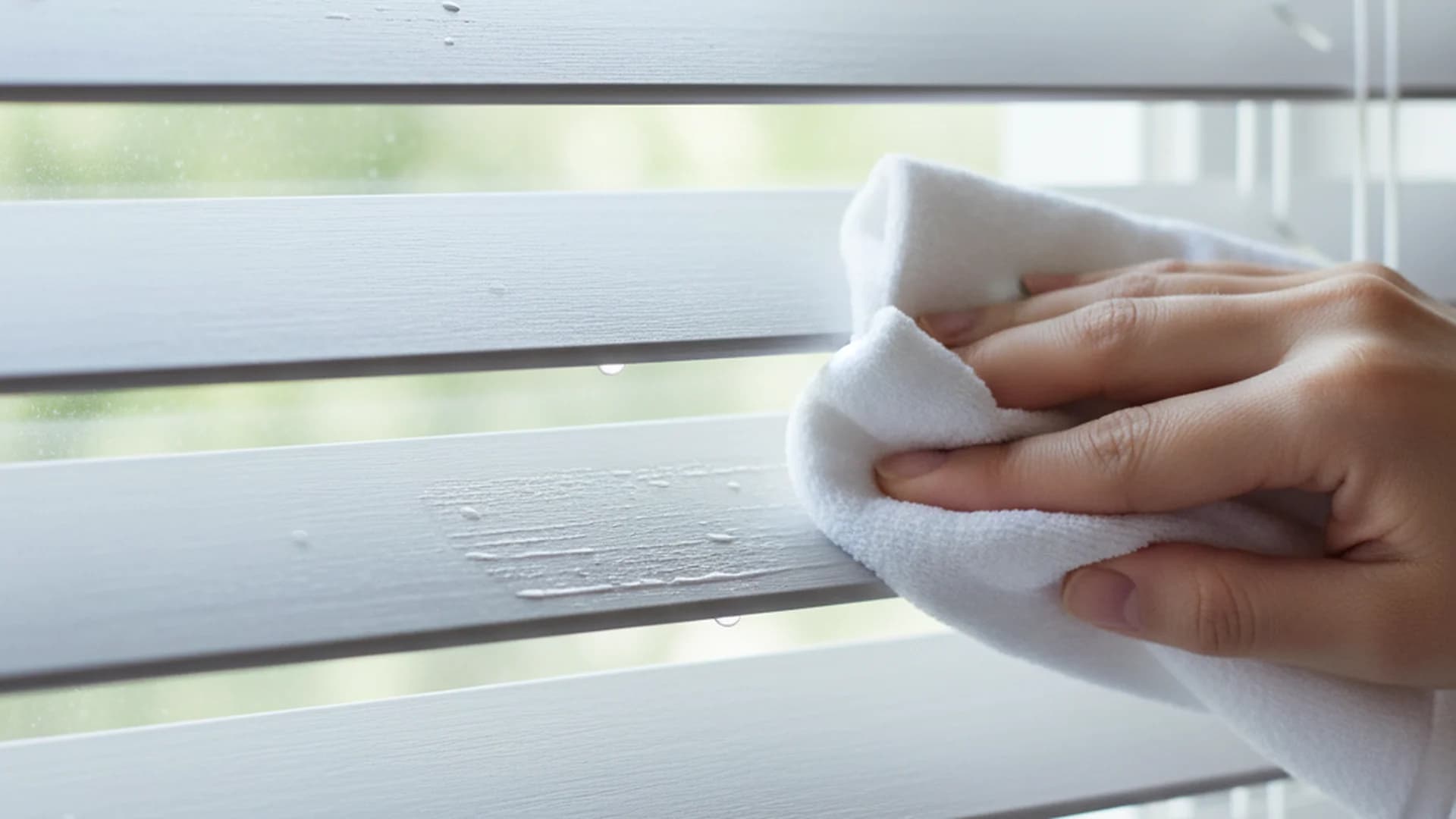
- Forgetting to Dry: If you do use a slightly damp cloth for a stubborn spot (like a fly speck or a grease splatter in a kitchen), follow up immediately with a dry microfiber towel. Water spots can leave permanent "ghosting" on the finish.
- Harsh Chemicals: Avoid any cleaners containing ammonia or bleach. These will strip the stain and leave the wood vulnerable to UV damage.
- Cleaning Bottom-to-Top: As mentioned earlier, always work with gravity. Cleaning from the bottom up is a recipe for double the work.
Real-World Example: A homeowner in a humid coastal environment noticed "salt film" on their wood blinds. They used a heavy-duty all-purpose cleaner and didn't dry the slats. Within a week, the edges of the wood began to "fur" or peel because the moisture was trapped in the wood’s end-grain.
Note: For stubborn kitchen grease, a 50/50 mix of white vinegar and water is acceptable, provided the cloth is barely damp and the wood is dried immediately after.
Frequently Asked Questions
Can I use water to clean real wood blinds?
How often should wood blinds be cleaned?
Do I need to take them down to clean them?
How do I restore the shine to old wood blinds?
Conclusion
Learning how to clean wood blinds is an essential skill for any homeowner looking to maintain a beautiful, efficient, and healthy living environment. By using the vacuum-first method and employing clever hacks like the "sock puppet" or "tongs" technique, you can keep your blinds in pristine condition without the hassle of taking them down.
Remember to respect the natural properties of the wood by avoiding excess water and steam. As we embrace the 2025 trends of low-VOC finishes and smart home integration, the key remains consistent, gentle maintenance. Protect your investment, breathe easier, and enjoy the timeless beauty of natural wood in your home.
Success: Regular maintenance not only keeps your home looking beautiful but also saves you money by preventing the need for premature replacements.
Cleaning that keeps score
Every task earns points, every streak multiplies them, and Premium adds a household leaderboard plus a monthly Dustagorgon to beat.
- Free forever
- 30 badges to earn
- Up to 6 in a household
No card needed. Set up your rooms in a couple of minutes.