In this article
What you’ll learn
- Chores build the work ethic and independence children carry into adult life.
- Gamification focuses on making the process fun rather than just providing a reward.
- Modern tools like AI and AR can help integrate chores into a digital-first lifestyle.
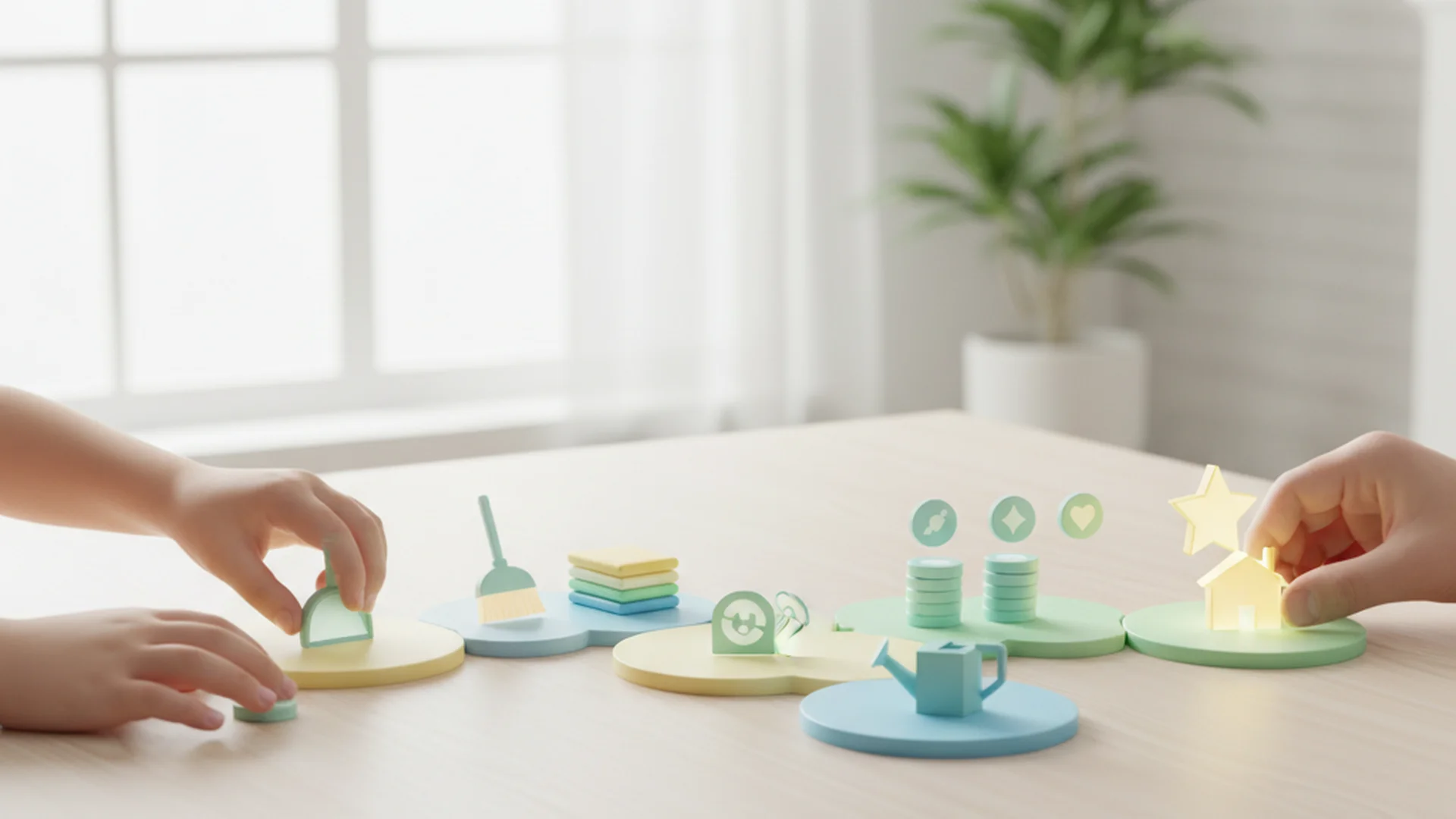
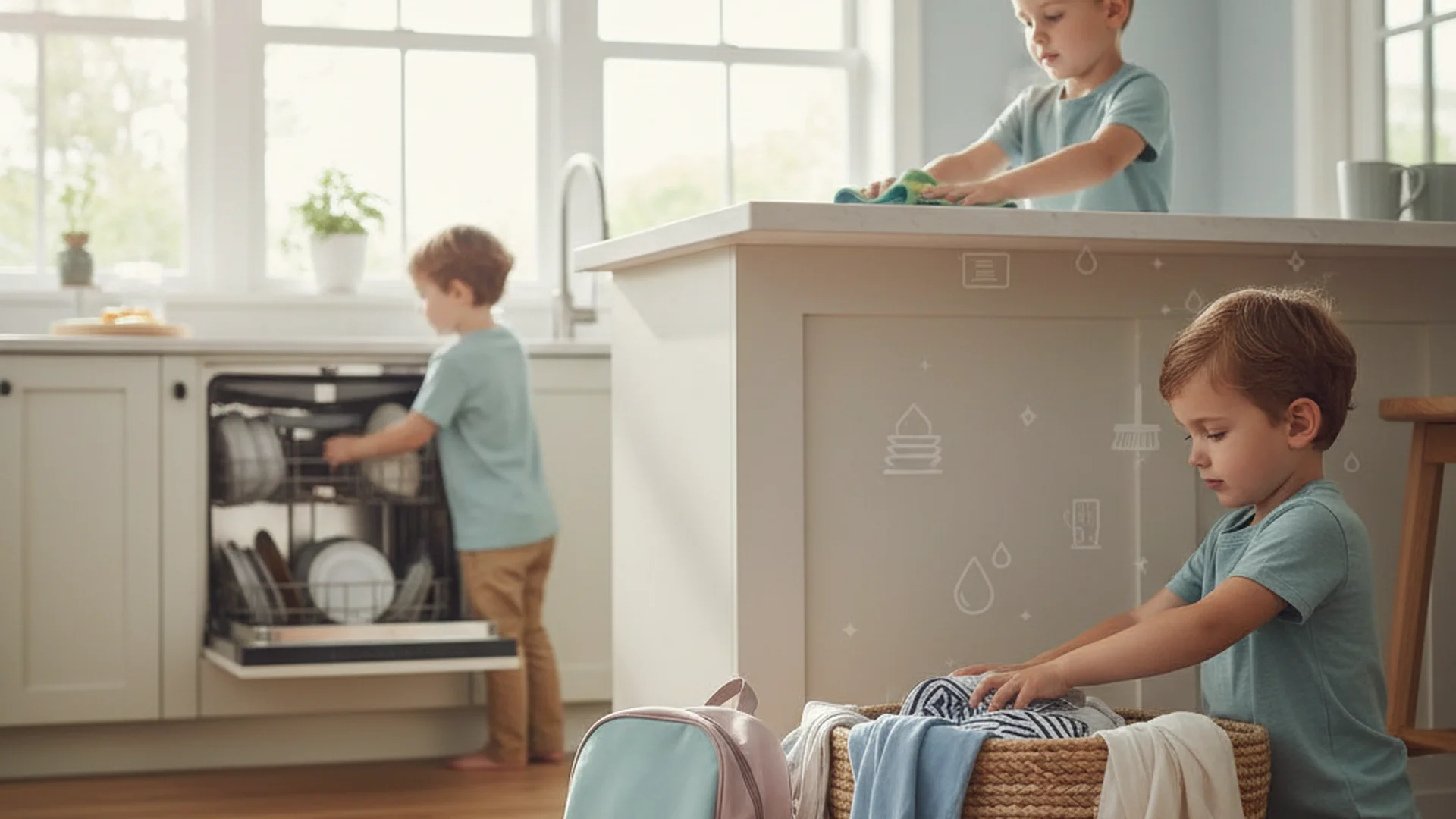
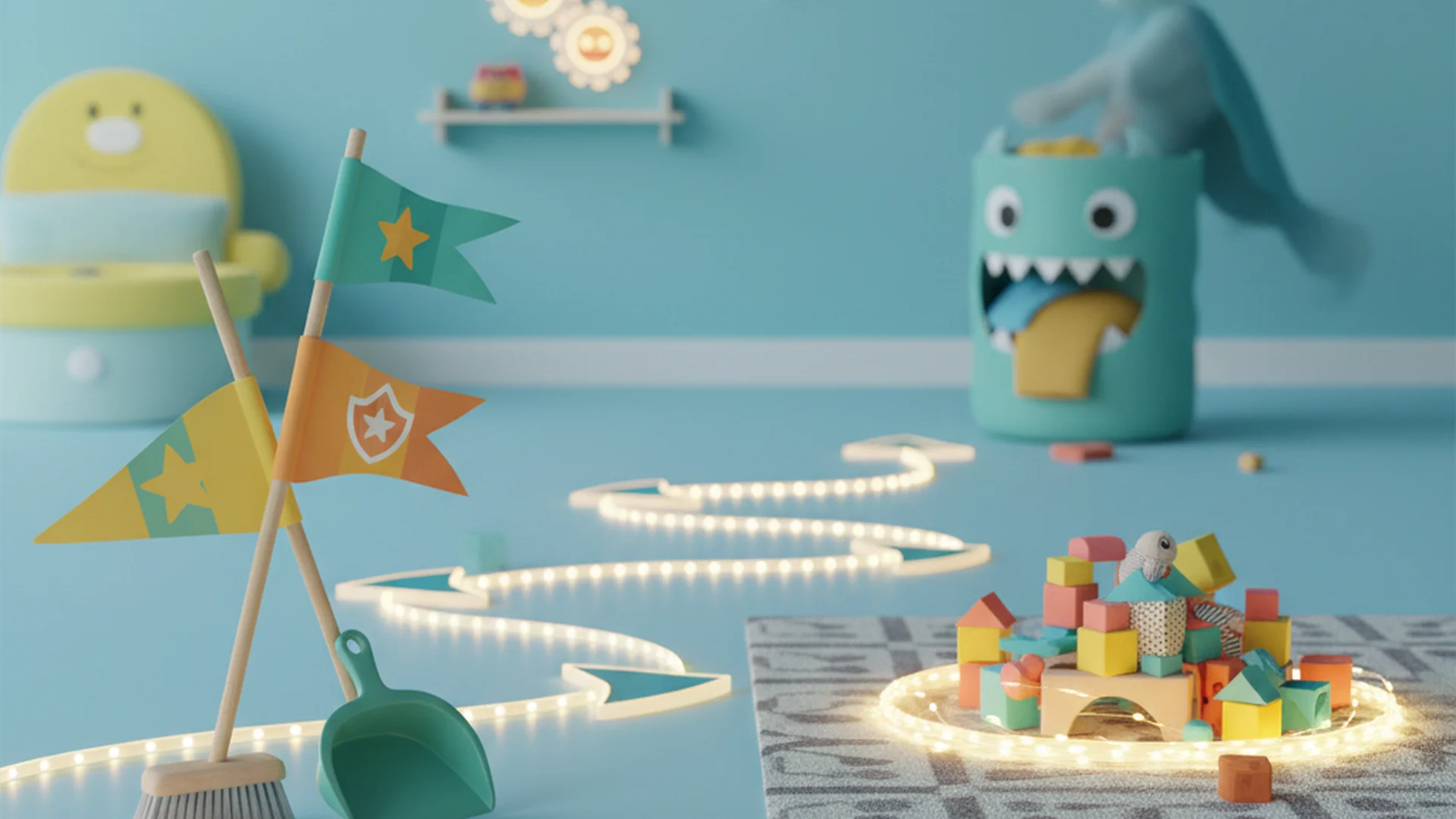
Every parent knows the "Chore War"—that exhausting cycle of nagging, eye-rolling, and eventual defeat that occurs when it’s time to tidy up. But what if the struggle wasn't a battle at all? By reframing household responsibilities as chores adventures kids actually look forward to, you can transform your home environment from a place of conflict into a training ground for success. Moving into 2025 and 2026, the trend has shifted away from traditional "command and control" parenting toward "Low-Stress Productivity," where cleaning is integrated into play.
The secret lies in gamification. When we turn a task into a quest, we shift the child's brain from a state of resistance to a state of engagement. This isn't just about getting the floor clean; it’s about building the executive function skills your child needs to thrive in an increasingly complex world.
Why Chores Are the Secret to a Successful Adult Life
It might feel easier to just do the dishes yourself rather than deal with a reluctant toddler or a sulking pre-teen. However, by doing so, we might be robbing our children of their most valuable life lessons.
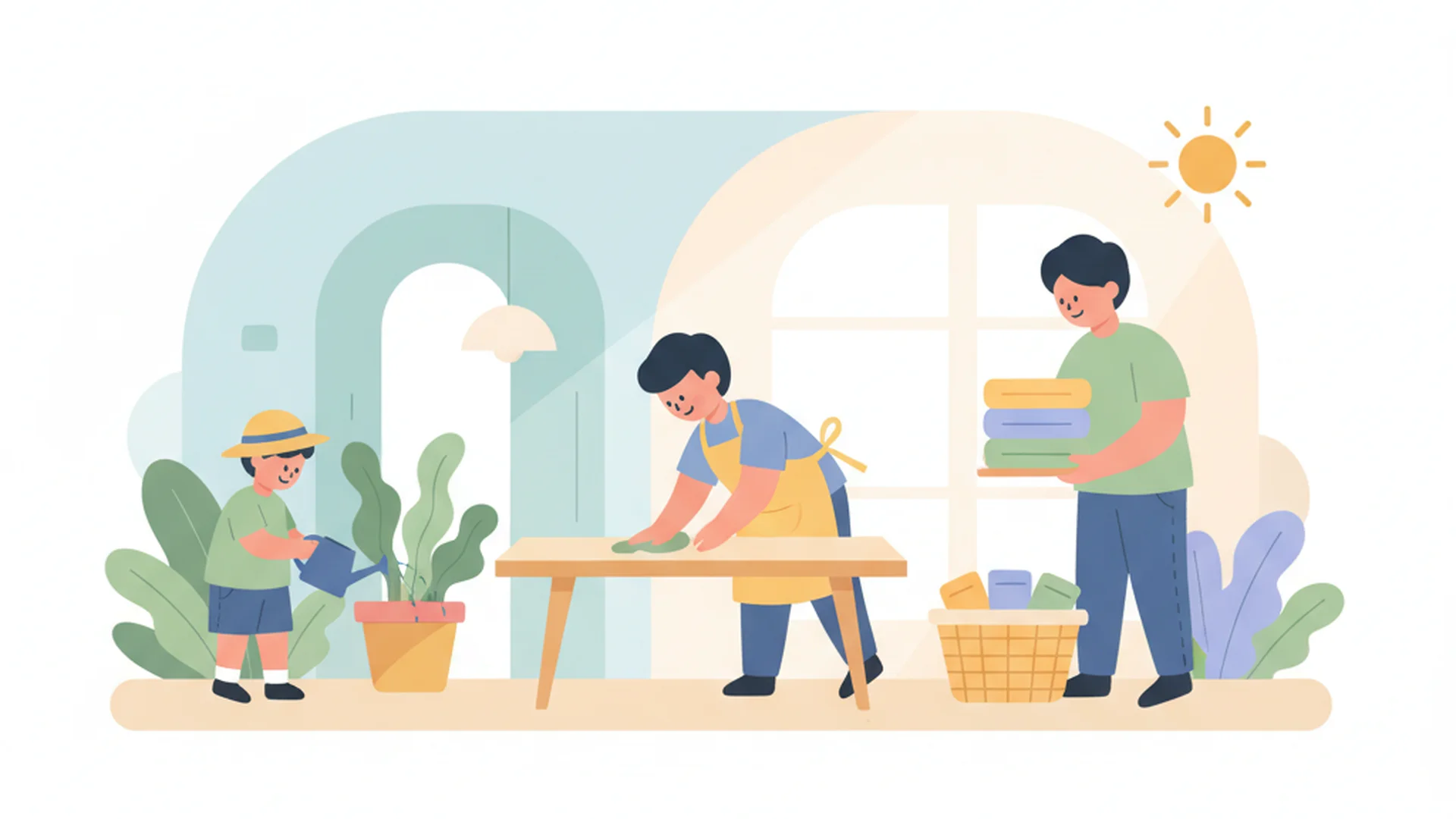
Chores teach a "can-do" mindset and the realization that work is a part of life that contributes to the greater good of the "tribe." That mindset is exactly what carries a young person through their first job, their first flat, and their first real setback.
Starting early matters, too. Children who begin pitching in at three or four tend to grow into teenagers with stronger family relationships and more confidence in their own competence than those who were handed their first real responsibility at fifteen. By creating chores adventures kids can participate in early, you are literally wiring their brains for "Executive Function"—the ability to plan, organize, and initiate tasks independently.
Note: Chores are particularly beneficial for neurodivergent children, as the structured "levels" of a gamified adventure provide clear start and end points that reduce mental overwhelm.
The Adventure Playbook: 3 Themed Quests to Try Tonight
To successfully learn how to chores adventures kids will embrace, you need to master "The 3 Pillars": Narrative, Autonomy, and Feedback. Here are three real-world examples of how to apply these pillars through themed quests.
Quest 1: The "Secret Agent" Clean-Up
Instead of telling your child to "clean the playroom," present them with a "Top-Secret Dossier" (a simple piece of paper in a folder).
- The Narrative: "Agent [Name], evidence of a toy-sized alien invasion has been detected in the Sector Blue (the living room). These artifacts must be neutralized and returned to their containment units before the Chief of Staff arrives for inspection at 05:00 PM."
- The Feedback: Use a walkie-talkie or a phone to "check in" with HQ as tasks are completed.
- The Reward: A "Mission Accomplished" stamp or a special badge.
Quest 2: The Galactic Space Explorer
The vacuum is no longer a noisy appliance; it is a high-tech "Starship" tasked with clearing space debris.
- The Narrative: Dust bunnies are "space monsters" threatening the galaxy. The vacuum is the only tool capable of sucking them into the void.
- The Micro-Levels: Break it down. Level 1: Clear the "asteroids" (big toys) from the floor. Level 2: Pilot the Starship through the "Nebula" (the rug).
- The Feedback: Add a high-energy sci-fi soundtrack to make the "engine noise" feel like part of the game.
Quest 3: The 5-Star Bistro Simulation
Setting the table is often seen as a menial task, but in this adventure, your child is the Head Maître D' of a world-class restaurant.
- The Narrative: "The VIP guests (the family) are arriving in ten minutes. The Bistro's reputation depends on the perfect placement of the silverware and the folding of the napkins."
- The Autonomy: Let them choose the "theme" of the night or create hand-drawn menus.
- The Feedback: At the end of the meal, the "guests" provide a glowing 5-star review for the service.
Tip: Use a "Beat the Clock" strategy for high-intensity tasks. Play the "Mission Impossible" theme song and see if they can finish the silverware before the music ends.
The Tech Edge: Using 2026 Tools to Enhance the Quest
We live in a digital age, and rather than fighting screen time, modern parents are using technology to augment the physical world. The landscape of 2025 and 2026 has introduced several innovative ways to keep the adventure alive.
AR (Augmented Reality) Cleaning
The rise of lightweight AR glasses and advanced tablet apps has changed the game. Some apps now allow kids to "see" virtual monsters or dust bunnies on their actual bedroom floor. These virtual entities only disappear when the child physically sweeps or vacuums that specific area. This provides immediate, visual feedback that satisfies the "dopamine hit" kids usually seek in video games.
AI-Generated Custom Quests
Parents are now using AI (like specialized parenting bots or ChatGPT) to generate daily stories. Example Prompt: "Write a 1-minute story about a knight who needs to sort the 'Magic Laundry Crystals' (socks) to power the castle's shield against a dragon." By spending 30 seconds generating a story, you provide a narrative hook that makes the task feel meaningful.
Collaborative Family Hubs
Moving away from the static, dusty chore chart on the fridge, 2026 families are using digital e-ink displays. These hubs update with "Daily Quests" and track "Party XP" (Experience Points). When the whole family contributes, the "Party" levels up, leading to a shared reward like a movie night or a trip to the park.
| Tool Type | Example Use Case | Benefit |
|---|---|---|
| AI Storytelling | Generating "Dragon Quests" for laundry | Increases narrative engagement |
| AR Apps | Seeing "virtual dust" on the floor | Provides immediate visual feedback |
| Digital Hubs | Tracking shared Family XP | Fosters teamwork and "Tribe" mentality |
| Smart Timers | Visual sand timers or music cues | Prevents procrastination |
Common Mistakes to Avoid
Even the best-laid adventures can go off the rails if parents fall into these common traps:
- Redoing the Work: This is the ultimate "adventure killer." If your child folds a shirt slightly crooked and you immediately refold it, you've sent the message that their contribution wasn't good enough. Accept "good enough" for the sake of long-term mastery.
- Using Chores as Punishment: Never say, "You were mean to your brother, so go scrub the toilet." This reinforces the idea that work is a bad thing. Chores should always be framed as a "contribution to the team."
- The "Bribery" Trap: There is a fine line between gamification and bribery. Bribery is: "If you stop crying and pick that up, I'll give you a cookie." Gamification is: "Let's see if we can hunt the sock-monsters before the timer hits zero!" Focus on the process being fun, not just the prize at the end.
- Lack of Consistency: If the "Secret Agent" only appears once every three months, the habit won't stick. The adventure needs to be a core part of your household culture.
Warning: Avoid over-reliance on extrinsic rewards (toys/candy). The goal is for the "adventure" and the pride of a job well done to become the primary motivation.
Frequently Asked Questions
Should I pay my kids to do chores?
What chores are age-appropriate for a 4-year-old vs. a 10-year-old?
How do I handle a child who flat-out refuses to help?
Is gamifying chores just another way of bribing them?
Conclusion
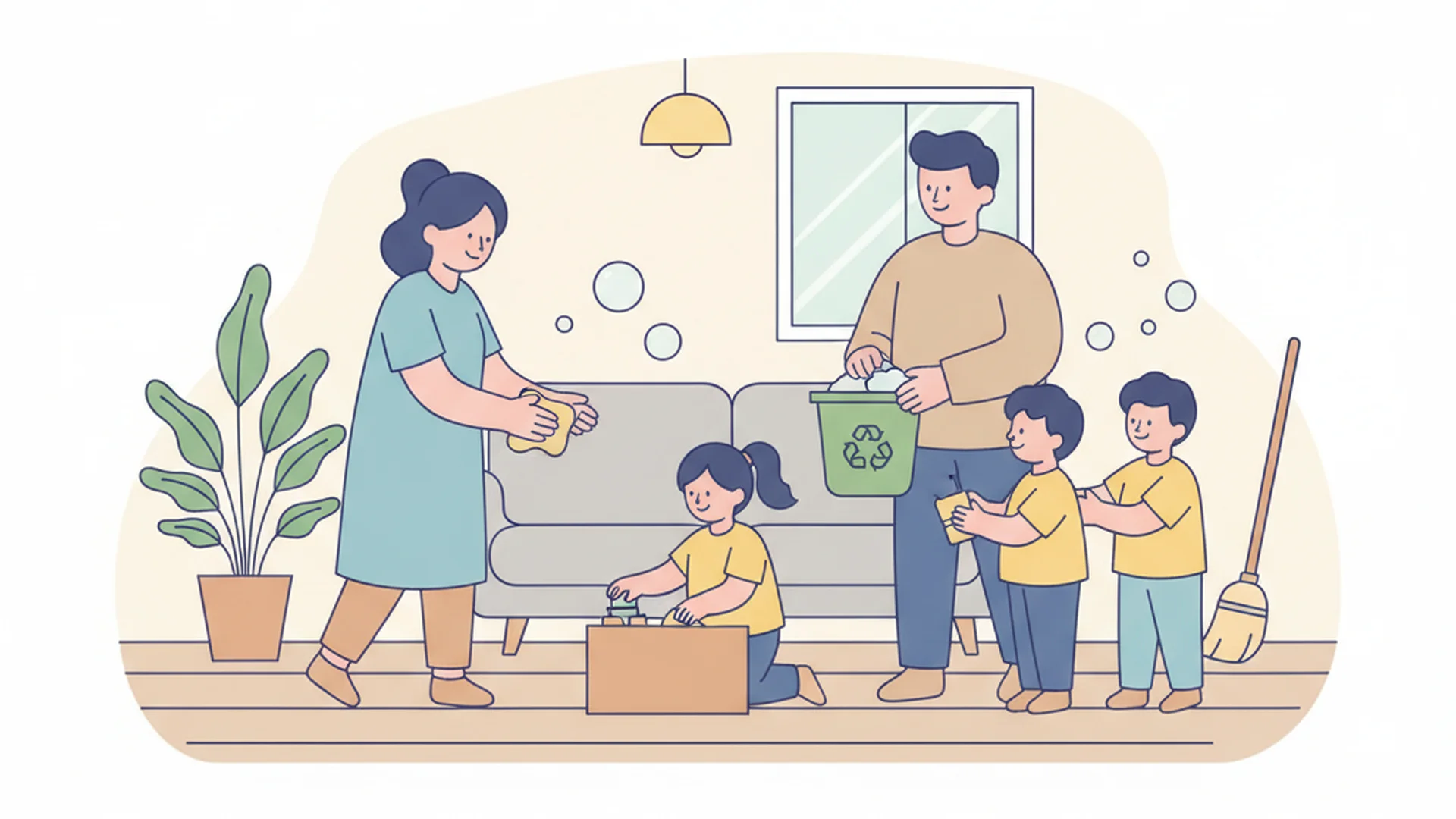
Building a family culture of contribution doesn't happen overnight, but by turning chores into adventures, you remove the friction that leads to the "Chore Wars." When you use narrative, technology, and a bit of creativity, you aren't just getting a clean house—you are raising capable, responsible, and successful human beings. Start small, stay consistent, and remember that today's "Secret Agent Mission" is tomorrow's career success.
Success: By shifting from "nagging" to "questing," you'll likely find that your kids start looking for ways to contribute, knowing that every task is an opportunity for a new adventure.
Cleaning that keeps score
Every task earns points, every streak multiplies them, and Premium adds a household leaderboard plus a monthly Dustagorgon to beat.
- Free forever
- 30 badges to earn
- Up to 6 in a household
No card needed. Set up your rooms in a couple of minutes.