In this article
What you’ll learn
- Focus on removing edible chametz rather than just "dust" to avoid burnout.
- Follow an "outside-in" strategy starting with cars and bedrooms before the kitchen.
- Proper kashering of appliances requires specific techniques for different surfaces.
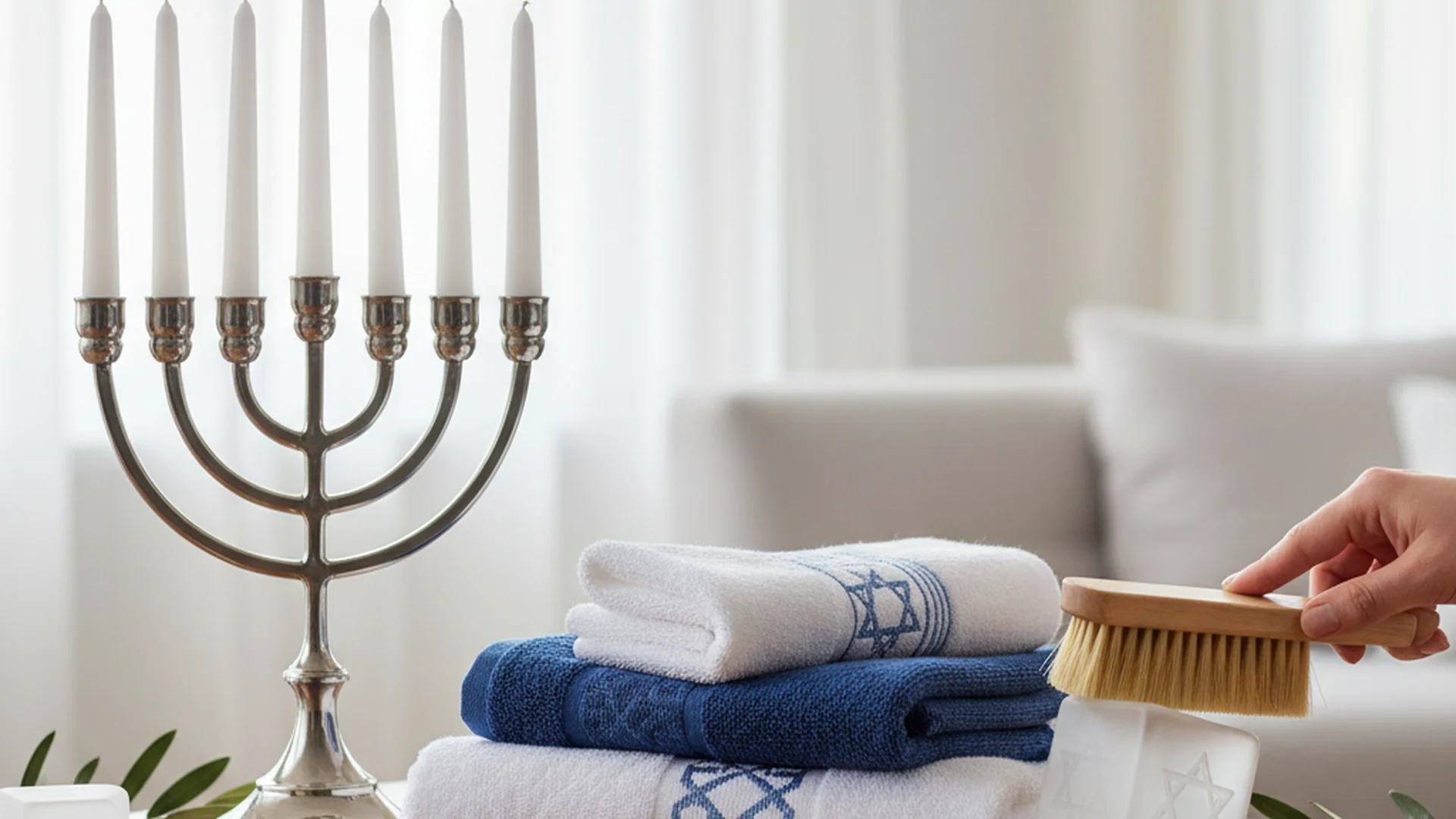
As the spring season approaches, Jewish households around the world begin the intensive process of passover cleaning. This "search and destroy" mission for Chametz (leavened grain) is more than just a deep clean; it is a religious mandate rooted in Exodus 12:15, which commands the removal of leaven from the home. With Passover 2026 beginning at sunset on Wednesday, April 1, many families are looking for a way to balance the rigorous requirements of Halacha with the practicalities of modern life.
Understanding the Mission: What is Chametz?
Before you pick up a vacuum or a scrub brush, it is essential to understand exactly what you are looking for. Under Jewish law, chametz refers to any food product made from wheat, barley, rye, oats, or spelt that has come into contact with water and been allowed to ferment or rise.
The goal of passover cleaning is to eliminate any edible chametz from your possession. While the technical requirement focuses on pieces larger than a "kezayit" (the size of an olive), the common custom is to remove any visible crumbs in areas where food is regularly consumed.
Note: Dirt is not chametz. While many people use this time for a "spring cleaning" of dust and cobwebs, remember that these do not hold the same religious weight as food particles.
The Minimalist Pesach Movement
In 2025 and 2026, a significant trend is the "Minimalist Pesach" movement. Prominent Rabbinical councils are increasingly encouraging families to focus on the strict requirements of the law to avoid "Pesach Burnout." This means prioritizing the kitchen and dining areas and spending less time on light fixtures, window tracks, or bookshelves—unless you have a habit of eating crackers while browsing your library.
| Area | Priority Level | Cleaning Focus |
|---|---|---|
| Kitchen | Critical | Counters, Oven, Fridge, Sink |
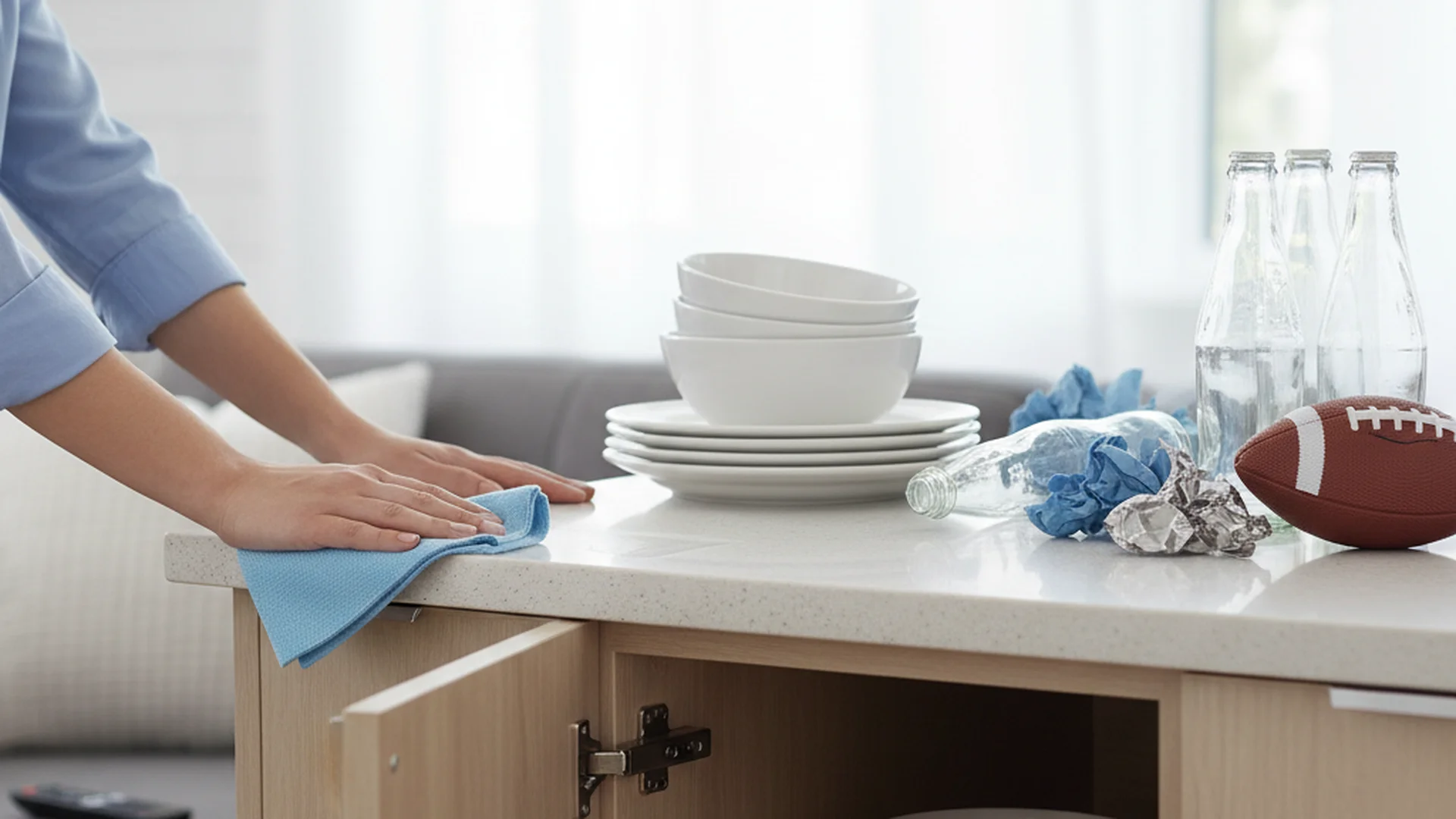
| Dining Room | High | Table, Chairs, High Chair, Floor |
| Bedrooms | Low | Check pockets and under beds |
| Bathrooms | Minimal | General hygiene only |
The Master 3-Week Timeline
A successful passover cleaning guide relies on a staggered approach. Trying to clean the entire house in forty-eight hours is a recipe for exhaustion.
Week 1: The "Outside-In" Phase
Start with the areas furthest from your kitchen. This prevents you from "re-contaminating" a clean room with a rogue sandwich later in the month.
- The Car: This is often a graveyard for cereal bars and crackers. Use high-powered vacuum attachments to reach between seats.
- The Office: Check laptop keyboards and desk drawers.
- Purses and Gym Bags: Empty all pockets and shake them out.
Tip: Use a vacuum first, scrub later. Moisture can often "plaster" crumbs into the corners of strollers or car seats, making them harder to remove.
Week 2: Storage and Sorting
During the second week, focus on your pantry and non-perishables.
- Pantry Sorting: Decide what you will finish before the holiday, what you will donate, and what you will "sell" via a Mechirat Chametz contract.
- Kitniyot Management: For Ashkenazi Jews, legumes like rice and corn are not chametz but are traditionally avoided. You don't need to scrub away kitniyot; simply tape those cabinet doors shut.
- Pet Food: Most standard pet foods contain grain. Switch to grain-free (Kosher for Passover) varieties or include your pet food in your chametz sale.
Week 3: The Kitchen Deep-Dive
This is the "Hot Zone." The kitchen requires the most technical attention, specifically regarding "kashering"—the process of purging the "taste" of chametz from surfaces.
- The Refrigerator: Clean every shelf and drawer with warm soapy water.
- The Oven: If using a self-cleaning cycle, ensure you manually clean the rubber gaskets and the very edges of the door, as these areas often don't reach the required temperatures.
- The Sink: Clean the drain with a caustic cleaner to ensure any trapped food is rendered "unfit for consumption."
Warning: Never mix bleach with ammonia-based cleaners while scrubbing kitchen surfaces, as this creates toxic fumes.
Real-World Examples of Modern Cleaning
1. The Laptop Keyboard Trap
In our digital age, many professionals eat lunch while working. One client of mine found that their "clean" office was actually harboring nearly an ounce of breadcrumbs trapped beneath the keys of a mechanical keyboard. A simple canister of compressed air can solve this in seconds.
2. The "Self-Cleaning" Illusion
A common mistake is assuming a self-cleaning oven is ready for Passover immediately. Last year, a family discovered that while the interior was spotless, the drawer beneath the oven (the broiler or storage pan) was filled with charred crumbs that the self-clean cycle never touched. Always inspect the "hidden" compartments of your appliances.
3. The Stroller Crevice
If you have toddlers, your stroller is likely a chametz goldmine. One father found three whole Cheerios wedged inside the folding mechanism of a high-end stroller. Using a toothpick or a small detailing brush is often necessary for these mobile "food zones."
Kashering Specifics for 2026
Modern appliances require modern solutions. Many families are now using AI-driven organization apps to track their progress or store specific manufacturer instructions for "Sabbath Mode" and cleaning cycles.
- Microwaves: The standard practice involves cleaning the interior thoroughly, waiting 24 hours, and then boiling a cup of water inside until it fills with thick steam.
- Countertops: Most natural stone counters can be kashered with "Iruy Kli Rishon" (pouring boiling water directly from a kettle that was on the heat).
- Dishwashers: Opinions vary, but many authorities require a deep clean of the filter and a high-heat cycle after 24 hours of non-use.
Success: Following a zone-based strategy ensures that by the night of the "Search for Leaven" (Bedikat Chametz), you can focus on the spiritual ritual rather than frantic last-minute scrubbing.
Common Mistakes to Avoid
- Over-cleaning Non-Food Areas: Do not spend hours scrubbing walls or ceilings. Dust is not chametz.
- The Foil Trap: While covering counters with aluminum foil is a common tradition, you must still clean and kasher the surface before covering it. Trapping crumbs under foil does not count as removing them.
- Forgetting the Vacuum Bag: Once you have finished your final sweep, remember to empty the vacuum bag or canister. You don't want to keep a "collection" of chametz in your closet!
- Neglecting Mobile Chametz: Always check your coat pockets, children's backpacks, and the "emergency" snack stash in your glove box.
Frequently Asked Questions
Does "dirt" count as Chametz?
How do I handle pet food during Passover?
Can I use my dishwasher for Passover?
Do I need to clean my bedroom or closet?
What is the difference between Kitniyot and Chametz?
Conclusion
The journey toward a chametz-free home doesn't have to be a source of dread. By using a professional passover cleaning guide and focusing on the areas that truly matter, you can enter the holiday with a sense of peace rather than exhaustion. Remember that the ultimate goal of the "Search and Destroy" mission is to prepare your physical space for the spiritual freedom that Passover represents.
Once your cleaning is complete, the final step is the Bittul Chametz (nullification) prayer, which acts as your spiritual safety net for any microscopic crumbs you may have missed.
Cleaning that keeps score
Every task earns points, every streak multiplies them, and Premium adds a household leaderboard plus a monthly Dustagorgon to beat.
- Free forever
- 30 badges to earn
- Up to 6 in a household
No card needed. Set up your rooms in a couple of minutes.