In this article
What you’ll learn
- Clean from top to bottom to prevent re-soiling surfaces.
- Prioritize the "Lungs" of the home by changing HVAC filters immediately.
- Sanitize high-touch zones like the kitchen and bathroom before unpacking.
Moving into a new home is one of life’s most exciting milestones, but it also presents a significant challenge: ensuring the space is truly sanitary. Whether you are moving into a brand-new construction or a pre-owned property, a comprehensive new house cleaning checklist is your first line of defense against allergens, construction dust, and "legacy" germs from previous occupants. While a home might look "broom clean" at first glance, true domestic efficiency requires a deeper dive into the nooks and crannies that often go neglected during a standard move-out.
Why a Move-In Deep Clean is Non-Negotiable in 2025
The residential cleaning industry is no longer just about aesthetics; it is a multi-billion dollar sector driven by health and efficiency. This growth reflects a shift in how we view our living environments. We aren't just cleaning for guests; we are cleaning for wellness.
Plenty of households already commit to a major annual deep clean. However, moving into a new home is the ultimate deep-clean scenario. Even if the previous owners were diligent, baseboards are one of the most commonly skipped jobs in the house, along with ceiling fans and windowsills—two of the most critical areas in a move-in scenario.
Note: Professional move-in services are increasingly marketed as "health-focused" rather than just "cleaning," with technicians specifically trained in cross-contamination prevention and allergen removal.
The Essential Move-In Day Cleaning Kit
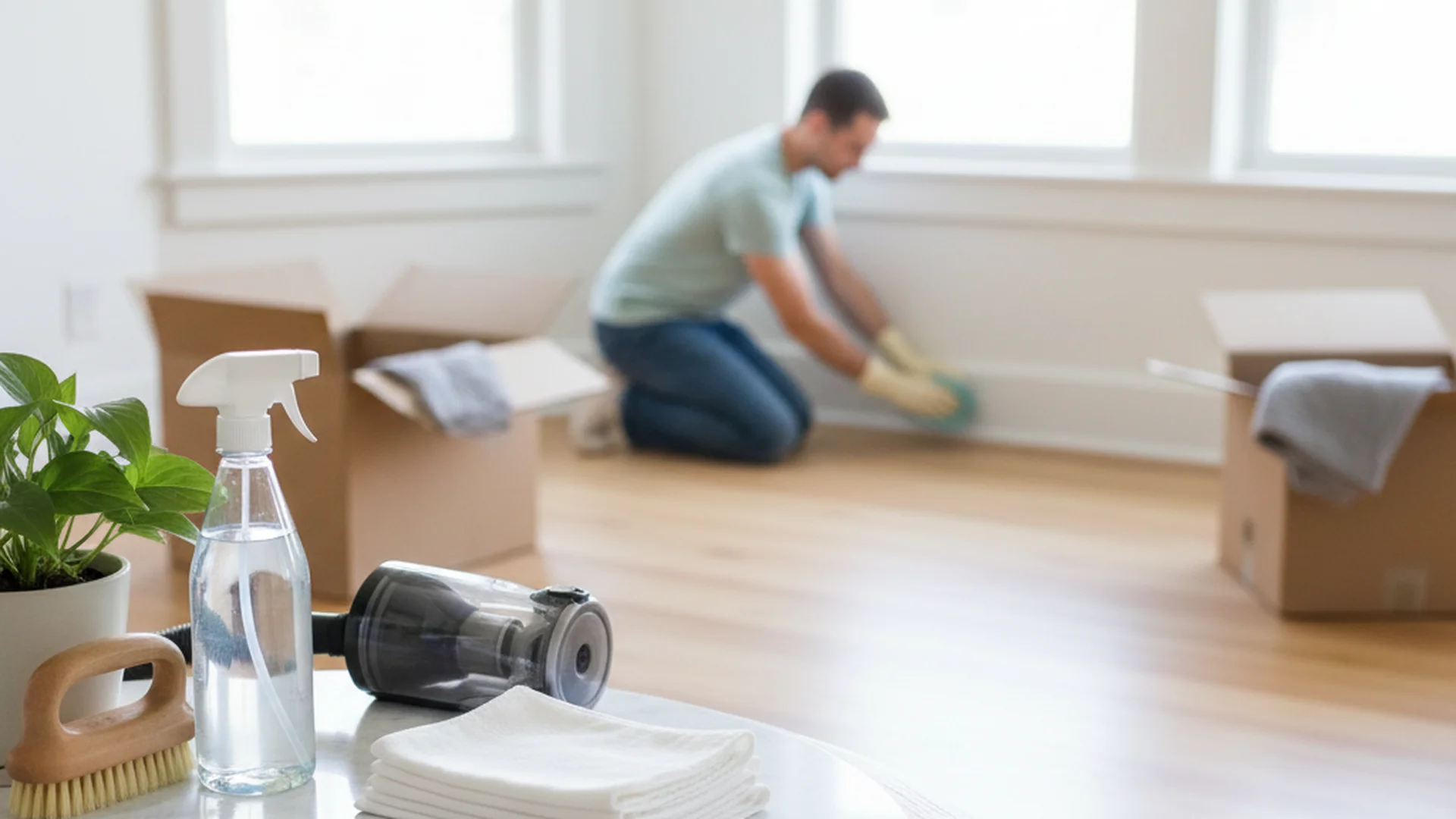
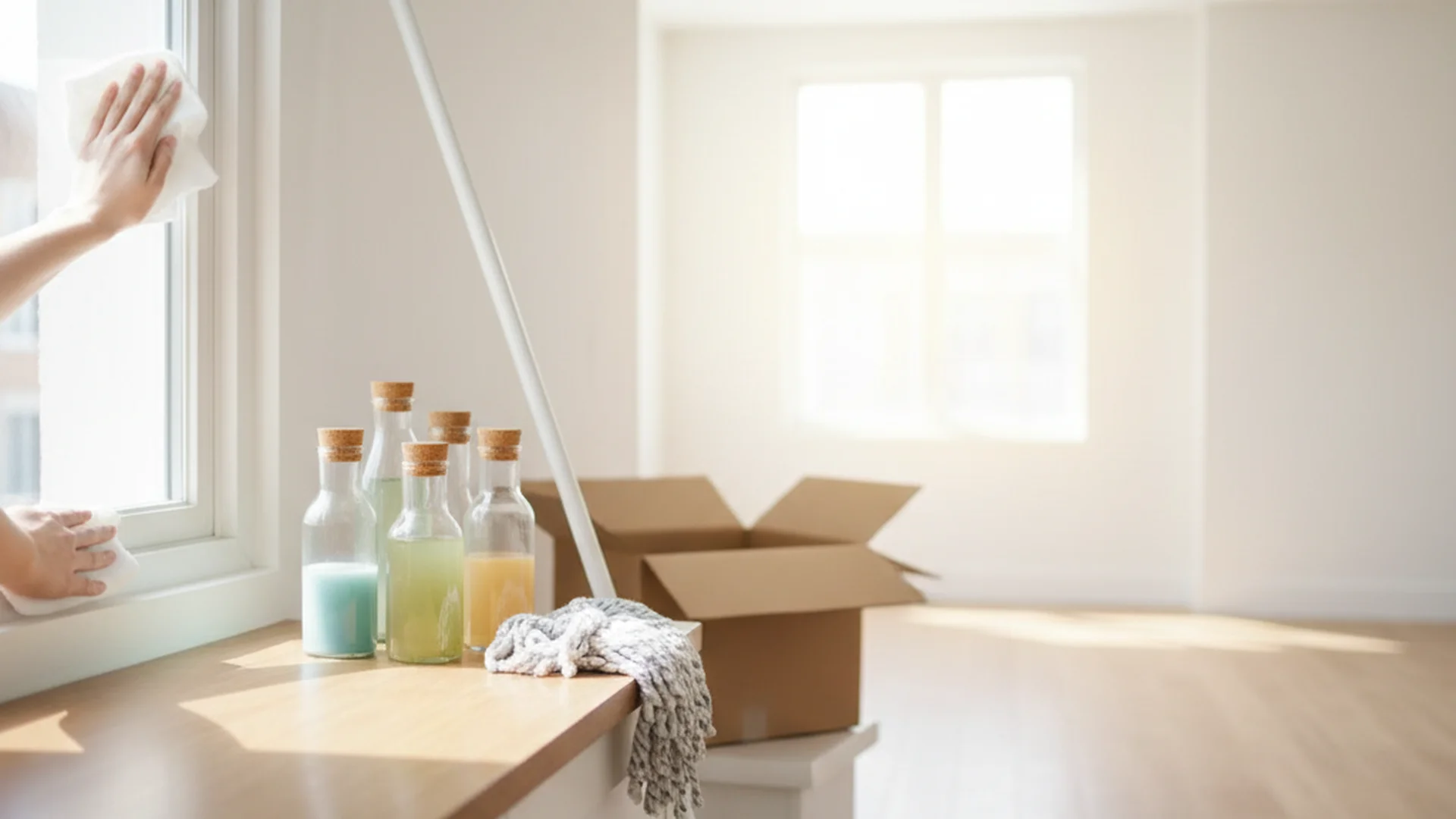
Before you even unload the first box from the moving truck, you need your "Strike Team" of supplies. I always recommend keeping a specific "Move-In Day Cleaning Kit" in your personal vehicle, not in the back of a moving van where it’s buried under a sofa.
Your kit should include:
- HEPA-certified vacuum: Essential for capturing microscopic allergens and fine construction dust.
- Microfiber cloths: These trap dust rather than just pushing it around.
- All-purpose cleaner and a heavy-duty degreaser: For the kitchen grime.
- Probiotic or plant-based cleaners: In line with the 2025 trend, where sustainability has become a top priority for households and cleaning professionals alike.
- New toilet seats: A small investment for a massive psychological and hygienic upgrade.
Tip: Prepare your cleaning kit 48 hours in advance so you can hit the ground running as soon as you get the keys.
Phase 1: The "Top-to-Bottom" Strategy
The "Top-to-Bottom" rule is the professional standard for a reason. If you clean the floors first and then wipe down the ceiling fans, gravity will pull that dust straight down onto your clean carpet.
Ceilings, Fans, and Walls
Start at the highest point of every room. Use a long-handled duster to clear cobwebs from corners. In a new construction home, this phase is critical. Example 1: A client moving into a luxury condo in Seattle recently discovered that despite the "final polish" from the builder, the tops of the door frames were coated in a fine layer of silica dust from the drywall installation. Without a top-down approach, that dust would have circulated through their air for months.
Windows and Tracks
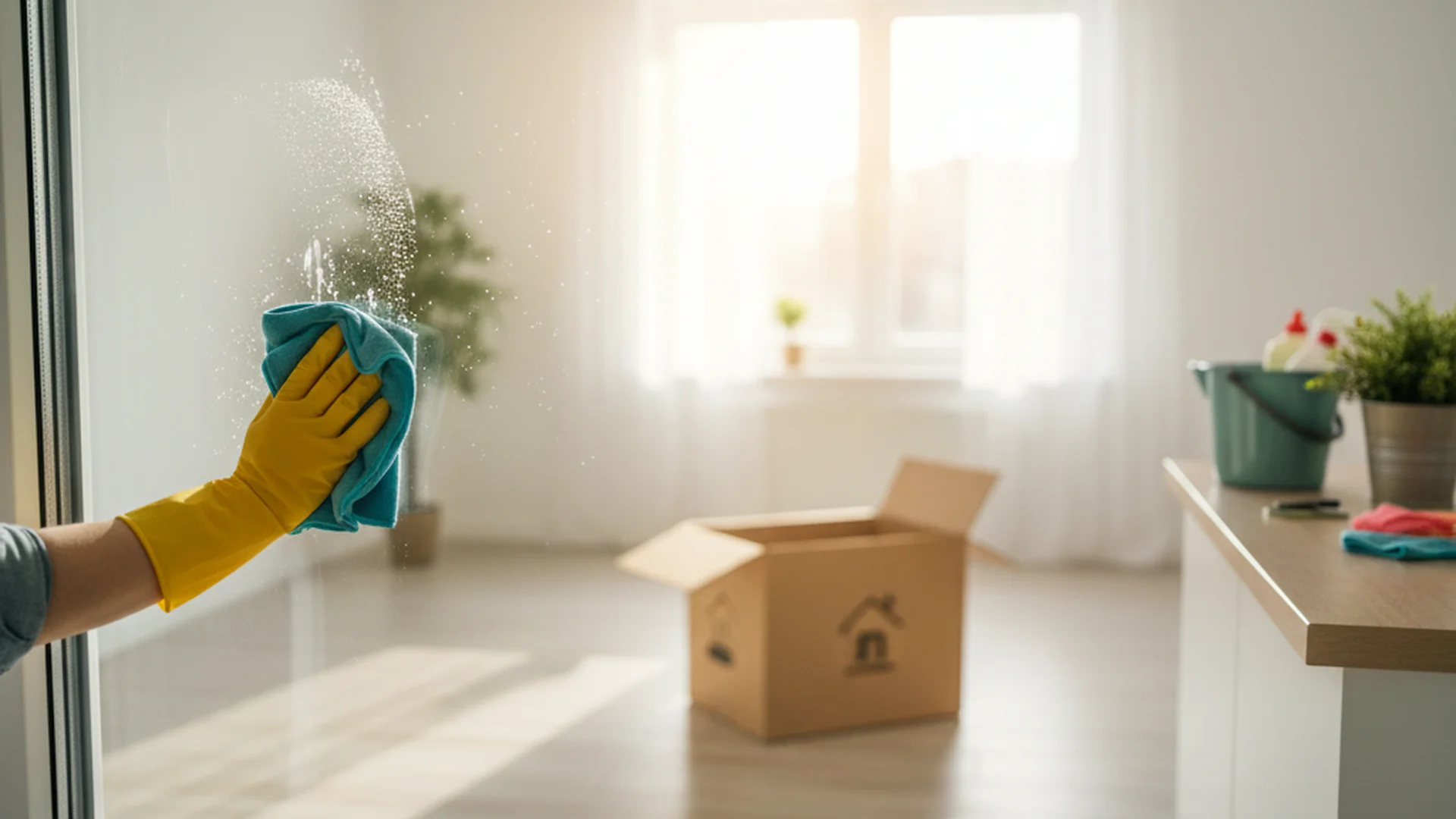
Don't just clean the glass. Open the windows and vacuum the tracks. This is where dead insects, pollen, and outdoor pollutants accumulate. Use a small brush to loosen the dirt before vacuuming it out with a crevice tool.
Warning: Never use vinegar on natural stone windowsills or countertops. Its acidity can etch marble and granite, leaving permanent dull spots.
Phase 2: The Sanitization Zone (Kitchen)
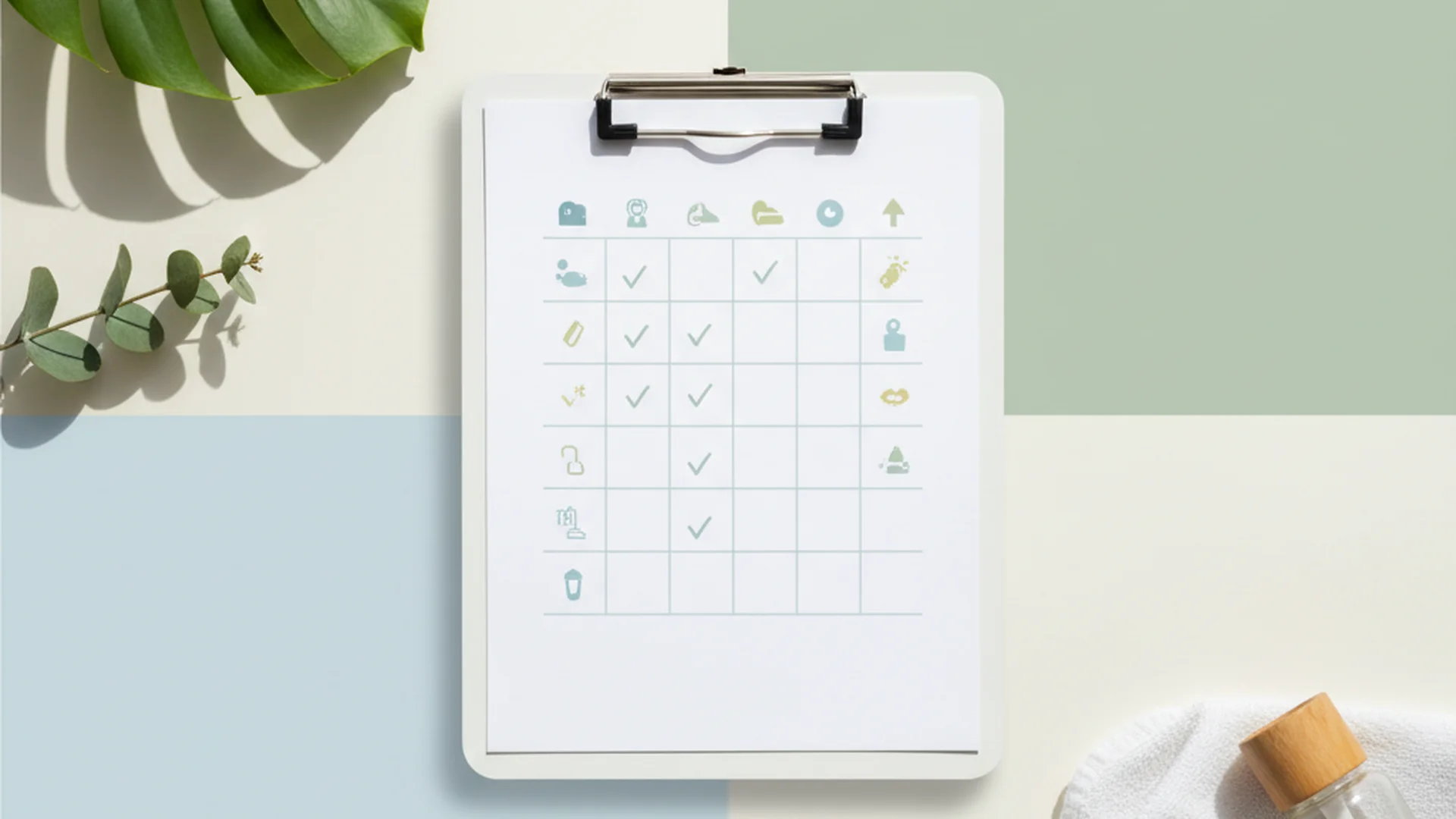
The kitchen is the heart of the home, but it’s also the area most likely to harbor bacteria and old grease. Using a new house cleaning checklist template helps ensure you don't miss the "hidden" parts of your appliances.
| Area | Task | Pro-Tip |
|---|---|---|
| Cabinets | Vacuum then wipe | Vacuuming first prevents "muddy" corners. |
| Oven | Degrease racks | Check the warming drawer for old crumbs. |
| Fridge | Clean coils | Vacuuming the back coils improves efficiency. |
| Dishwasher | Clean filter | Remove the bottom filter and rinse off food debris. |
The "Invisible" Filters
Most homeowners forget to clean the range hood filter. If it’s sticky to the touch, it’s full of old cooking grease. Soak it in hot water with a heavy-duty degreaser. Similarly, the dishwasher filter is a prime spot for mold and old food smells.
Phase 3: The Disinfection Zone (Bathrooms)
Bathrooms require more than just a surface wipe. This is about total disinfection.
High-Touch Points
Disinfect every light switch, doorknob, and toilet handle. Example 2: "Legacy" germs are a genuine issue—high-touch areas in bathrooms can harbor bacterial colonies for weeks after a resident has moved out. Replacing the toilet seats entirely is the only way to guarantee a properly fresh start.
The Exhaust Fan
Vacuum the bathroom exhaust fan. A dusty fan isn't just inefficient at removing moisture (leading to mold); it’s also a potential fire hazard.
Success: A clean exhaust fan clears bathroom humidity far faster, preventing future mold growth on your new paint.
Phase 4: The "Lungs" of the Home (HVAC)
If your new house has a lingering smell, it’s likely in the air ducts. The HVAC system is the "lungs" of your home.
- Change Air Filters Immediately: This is the single most effective way to remove the "old house smell."
- Wipe Register Grates: Dust settles on the metal slats of your vents. Remove them and wash them in warm soapy water.
- Check the Condensate Line: Ensure it’s clear to prevent water damage and mold.
Note: Indoor Air Quality (IAQ) is a massive trend in 2025. Many homeowners are now integrating air purifiers and mapping their homes for smart air quality monitors before furniture arrives.
Common Mistakes to Avoid
Even with the best intentions, amateur cleaners often fall into these traps:
- Ignoring the "Entry Strategy": Failing to put down a heavy-duty mat on move-in day. Without it, movers will track 90% of the exterior dirt back onto your freshly cleaned floors.
- Cleaning Floors First: As mentioned, this is the #1 mistake. Always save the floors for the very last step.
- Assuming "Broom Clean" Means Sanitize: A seller's contract usually specifies "broom clean," which only means there aren't piles of trash left behind. It does not mean the home is safe for your toddler to crawl on the floors.
- Misusing Chemicals: Example 3: A homeowner recently used a harsh acidic cleaner on their brand-new hardwood floors, stripping the wax and leaving cloudy patches. Always test a small, inconspicuous area first.
Modern Trends: Smart and Green Cleaning
As we move into 2026, cleaning is becoming high-tech. Robotic vacuums are now a fixture in a great many homes. Your new house cleaning checklist printable should include a step for "Mapping." Before you place your rugs and sofas, run your robot vacuum to create a baseline map of the empty house. This ensures the sensors can navigate perfectly once the furniture is in place.
Furthermore, "Green Cleaning" has moved from a niche choice to a standard. Homeowners are increasingly turning to probiotic cleaners that leave "good" bacteria on surfaces to crowd out the "bad" ones. This is especially useful for homes with pets or small children.
Frequently Asked Questions
Do I need to clean a brand-new construction home?
How long before moving in should I deep clean?
Should I clean the carpets if they look fine?
What is the "Top-to-Bottom" rule?
Conclusion
A thorough move-in clean is more than just a chore; it’s an investment in your family’s health and your peace of mind. By following a structured new house cleaning checklist, you ensure that no corner is overlooked, from the grease-heavy range hood to the dust-laden HVAC vents. Take the time to clean while the rooms are empty, use the right tools for the job, and remember the "top-to-bottom" golden rule.
Success: Taking 48 hours to deep clean an empty home saves you many hours of "maintenance" cleaning over the first six months of residency.
Cleaning that keeps score
Every task earns points, every streak multiplies them, and Premium adds a household leaderboard plus a monthly Dustagorgon to beat.
- Free forever
- 30 badges to earn
- Up to 6 in a household
No card needed. Set up your rooms in a couple of minutes.