In this article
What you’ll learn
- Cleaning before moving furniture is the most efficient way to ensure a deep clean.
- Indoor air quality can improve by up to 50% with a proper move-in deep clean.
- Follow the top-to-bottom, left-to-right method to avoid re-contaminating surfaces.
Moving into a new home is one of life’s most exhilarating milestones, but it often comes with a layer of hidden dust and grime left behind by previous residents. To ensure your new space is truly a blank canvas, a comprehensive move in cleaning checklist is essential. Whether you are stepping into a brand-new construction or a charming pre-owned home, the "surface clean" performed by previous tenants rarely meets the health and hygiene standards of 2025.
Why the Move-In Clean is Different
A standard weekly cleaning focuses on high-traffic areas and visible surfaces. However, a move-in clean is a "deep clean" designed to address the "unseen" areas that are usually blocked by furniture or ignored during routine maintenance.
In 2025, the focus has shifted heavily toward health-centric cleaning. Research shows that a professional-grade deep clean can improve indoor air quality by up to 50% by removing settled allergens, pet dander, and fine dust from dormant HVAC systems. Furthermore, for renters, the stakes are financial: cleaning remains one of the top three reasons for security deposit disputes. Using a move in cleaning checklist template ensures you don't miss the small details that could cost you hundreds of dollars later.
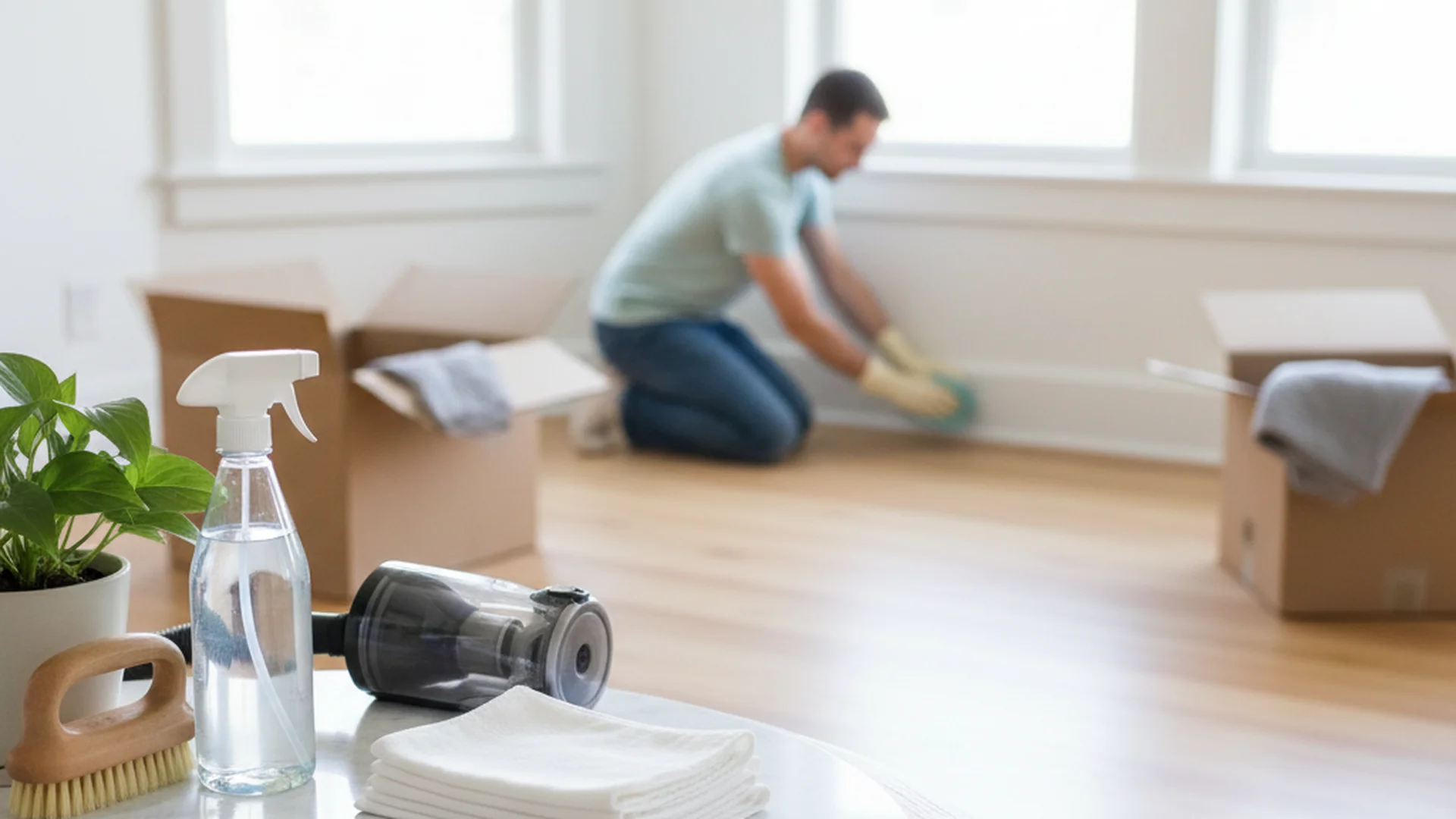
Tip: Always perform your deep clean before the moving truck arrives. It is significantly faster and more effective to clean empty rooms where you have unobstructed access to baseboards, corners, and floor vents.
The Move-In Master Checklist: Top-to-Bottom Strategy
Experts universally recommend the Top-to-Bottom, Left-to-Right method. This ensures that any dust or debris disturbed from higher surfaces falls onto uncleaned areas below, rather than ruining a floor you’ve already scrubbed.
The High Zone: Ceilings and Fixtures
Start at the highest point in every room. Dust and allergens often cling to surfaces we rarely look at.
- Ceiling Fans & Light Fixtures: Dust the blades and wipe down the glass housing. In 2025, many homeowners are using UV-C wands to sterilize these high-reach areas.
- Corners & Crown Molding: Use a vacuum attachment to remove cobwebs and "ghost" dust.
- Vents & Registers: Remove the covers and vacuum as far into the duct as possible.
- Window Frames: Dust the tops of the frames and the tracks where dirt accumulates.
The Middle Zone: Walls and High-Touch Points
This zone includes everything from eye level down to the top of the baseboards. This is where most human contact occurs.
- Walls: Check for scuffs and dust. For a 2025 "air detox," use low-VOC cleaning agents to avoid introducing toxic chemicals into your new environment.
- Sanitize High-Touch Surfaces: This includes every doorknob, light switch, and cabinet handle.
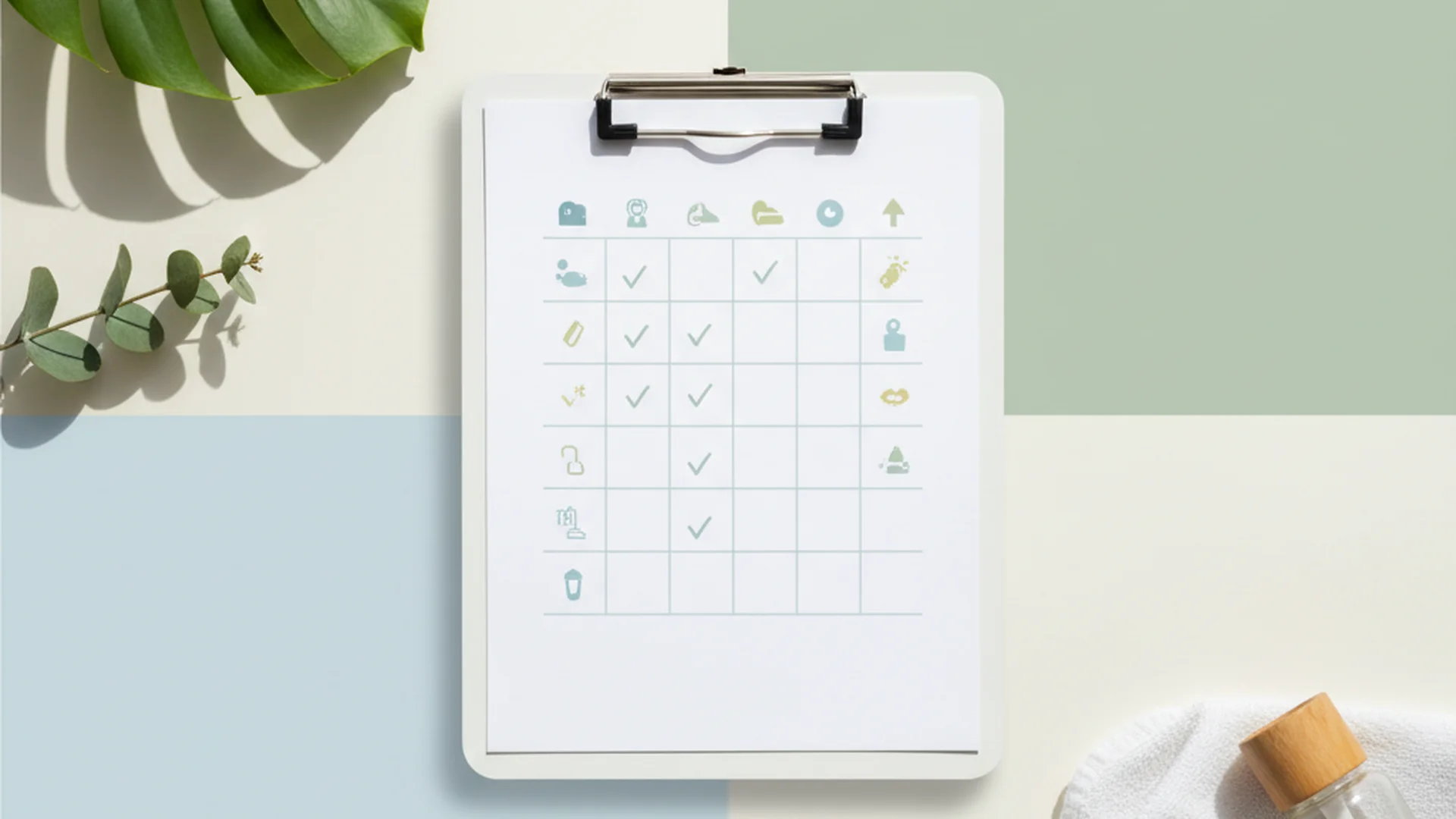
- Interior Cabinets & Drawers: Vacuum out the crumbs and wipe down the interiors. This is a critical step in a move in cleaning checklist printable that many forget.
- Windows & Mirrors: Use a microfiber cloth and a streak-free cleaner.
The Low Zone: Floors and Baseboards
The final step is the floor. This should always be done last to catch everything that has fallen during the "High" and "Middle" cleaning phases.
- Baseboards: Wipe them down with a damp cloth.
- Pro Tip: Use a dryer sheet to wipe baseboards; the anti-static properties will help repel future dust.
- Carpets: Steam clean all carpets to remove deep-seated allergens.
- Hard Floors: Sweep, vacuum, and then mop using a probiotic or enzyme-based cleaner for a longer-lasting clean.
Warning: Never mix bleach with ammonia-based cleaners. This combination creates toxic chloramine gas, which is extremely dangerous in the enclosed spaces of a new home.
Room-by-Room Deep Dive
The Kitchen Detail
The kitchen is often the grimiest room in a house move. Even if it "looks" clean, grease and food particles hide in specialized areas.
| Area | Tasks | Why It Matters |
|---|---|---|
| Oven | Clean interior, racks, and glass door | Removes old food odors and fire hazards. |
| Fridge | Clean coils, interior, and door seals | Improves efficiency and hygiene. |
| Dishwasher | Clean the filter and run a cycle with cleaner | Removes mold and bacterial buildup. |
| Range Hood | Degrease the metal filters | Crucial for air quality and fire safety. |
Real-World Example: Consider a family moving into a suburban home in 2025. The previous owners "cleaned" the kitchen, but the new owners found significant grease buildup inside the range hood filter. By spending 20 minutes degreasing it, they prevented a potential grease fire and eliminated a lingering "old cooking" smell that the surface clean hadn't touched.
The Bathroom Sanitization
In the bathroom, the goal is total disinfection.
- The Toilet: Disinfect the entire unit. Many experts recommend replacing the toilet seat entirely for a true "fresh start."
- The Grout: Use an enzyme cleaner to eat away at mold or mildew spores.
- The Vanity: Clean inside every drawer and under the sink, where leaks may have caused musty odors.
- The Showerhead: Soak the showerhead in vinegar to remove mineral deposits and improve water flow.
Success: Completing a bathroom deep clean before moving in ensures that your first night in the new home includes a relaxing, hygienic shower—a well-deserved reward after a day of hauling boxes.
Recent Trends in Move-In Cleaning (2025–2026)
The cleaning industry has evolved significantly over the last two years. If you are preparing your move in cleaning checklist printable, consider these modern updates:
Probiotic and Enzyme Cleaners
Moving away from harsh, "scorched-earth" chemicals like bleach, 2025 has seen the rise of probiotic cleaners. These products use beneficial bacteria to consume organic waste (like pet urine or food grease) on a molecular level. They continue working for days after the initial application, providing a more sustainable clean.
AI-Driven Maintenance
Smart home integration is now part of the cleaning process. Many homeowners are syncing their move-in schedules with robot vacuums and high-end air purifiers. These devices can be programmed to run a "heavy-duty" cycle the moment the heavy lifting of furniture move-in is complete, maintaining the "Day 1" clean automatically.
UV-C Sterilization and IAQ
Indoor Air Quality (IAQ) is the top priority for 2025 moves. Beyond just cleaning surfaces, tech-savvy movers are using HEPA-filtered vacuums and UV-C light wands to sterilize keypads, handles, and even mailboxes.
Note: Changing the HVAC air filters should be your very first task upon entering the home. Construction dust or the previous tenant's pet dander can be redistributed through the vents the moment you turn on the AC.
Common Mistakes to Avoid
Even with a detailed move in cleaning checklist, several common pitfalls can sabotage your efforts:
1. The "Vinegar and Baking Soda" Myth
While popular on social media, mixing vinegar (an acid) and baking soda (a base) essentially creates saltwater and carbon dioxide. They neutralize each other.
- The Correct Way: Use baking soda first as a mild abrasive to scrub away grit, then rinse with vinegar to dissolve mineral deposits and deodorize.
2. Rushing the "Dwell Time"
Most disinfectants are not instant. To kill 99.9% of germs, a product must stay wet on the surface for 3 to 10 minutes. If you spray and immediately wipe, you are only removing visible dirt, not sanitizing the surface.
3. Forgetting the "Hidden" Filters
Many people forget to clean the dishwasher filter, the dryer lint trap (beyond the screen), or the refrigerator water filter. These hidden areas can harbor bacteria and affect the performance of your appliances.
Real-World Example: A renter in Seattle moved into an apartment that looked pristine. However, after two weeks, they noticed their clothes weren't drying properly. They checked the dryer's internal vent and found a massive accumulation of lint from the previous three tenants. Cleaning this "hidden" area prevented a potential fire and saved them money on their utility bill.
Professional vs. DIY: The Cost Breakdown
In 2025, deciding whether to hire a pro or do it yourself depends on your budget and time.
| Service Level | 2025 Cost Range | Time Investment | Best For |
|---|---|---|---|
| DIY Clean | $50 - $100 (Supplies) | 6-10 Hours | Budget-conscious movers |
| Standard Professional | $120 - $280 | 3-5 Hours | Renters wanting their deposit back |
| Deep Move-In Pro | $200 - $400 | 4-6 Hours | Families with allergies or pets |
| Large Home/Construction | $500+ | 6+ Hours | New builds with pervasive dust |
Real-World Example: A busy professional moving between cities might opt for the $300 deep clean. This allows them to focus on unpacking and setting up their home office while a team of two professionals handles the heavy scrubbing, including the interior of the appliances and the windows.
Frequently Asked Questions
Should I clean before or after moving my furniture in?
Is a "Move-In" clean different from a regular clean?
Do I need to clean a "New Construction" home?
How long does a DIY move-in cleaning take?
What should I use to clean my new baseboards?
Conclusion
Moving is a stressful time, but utilizing a structured move in cleaning checklist transforms a daunting task into a manageable process. By following the top-to-bottom method and paying attention to the "unseen" areas like filters and cabinet interiors, you ensure your new home is a healthy, welcoming environment from day one. Whether you choose to tackle the job yourself or hire the pros, prioritizing a deep clean is the best investment you can make in your new space.
Success: A thorough move-in clean doesn't just make the house look better—it provides the peace of mind that comes with knowing your family is starting fresh in a truly sanitized environment.
Cleaning that keeps score
Every task earns points, every streak multiplies them, and Premium adds a household leaderboard plus a monthly Dustagorgon to beat.
- Free forever
- 30 badges to earn
- Up to 6 in a household
No card needed. Set up your rooms in a couple of minutes.