In this article
What you’ll learn
- Use cold water for 95% of loads to save energy and protect fibers.
- Sorting by fabric weight and soil level is more important than color in 2026.
- Modern detergents require only half the recommended amount to avoid residue buildup.
Laundry is no longer just a mundane weekend chore; in 2025 and 2026, it has evolved into a strategic pillar of household sustainability and economic efficiency. Whether you are searching for the best laundry tips to save on your monthly utility bills or seeking advanced laundry tips to extend the lifespan of your wardrobe, the landscape of garment care is changing rapidly. With the average household performing between 300 and 400 loads of laundry per year, even small adjustments to your routine can lead to massive savings in time, money, and environmental impact.
The Modern Laundry Landscape: Tech and Trends
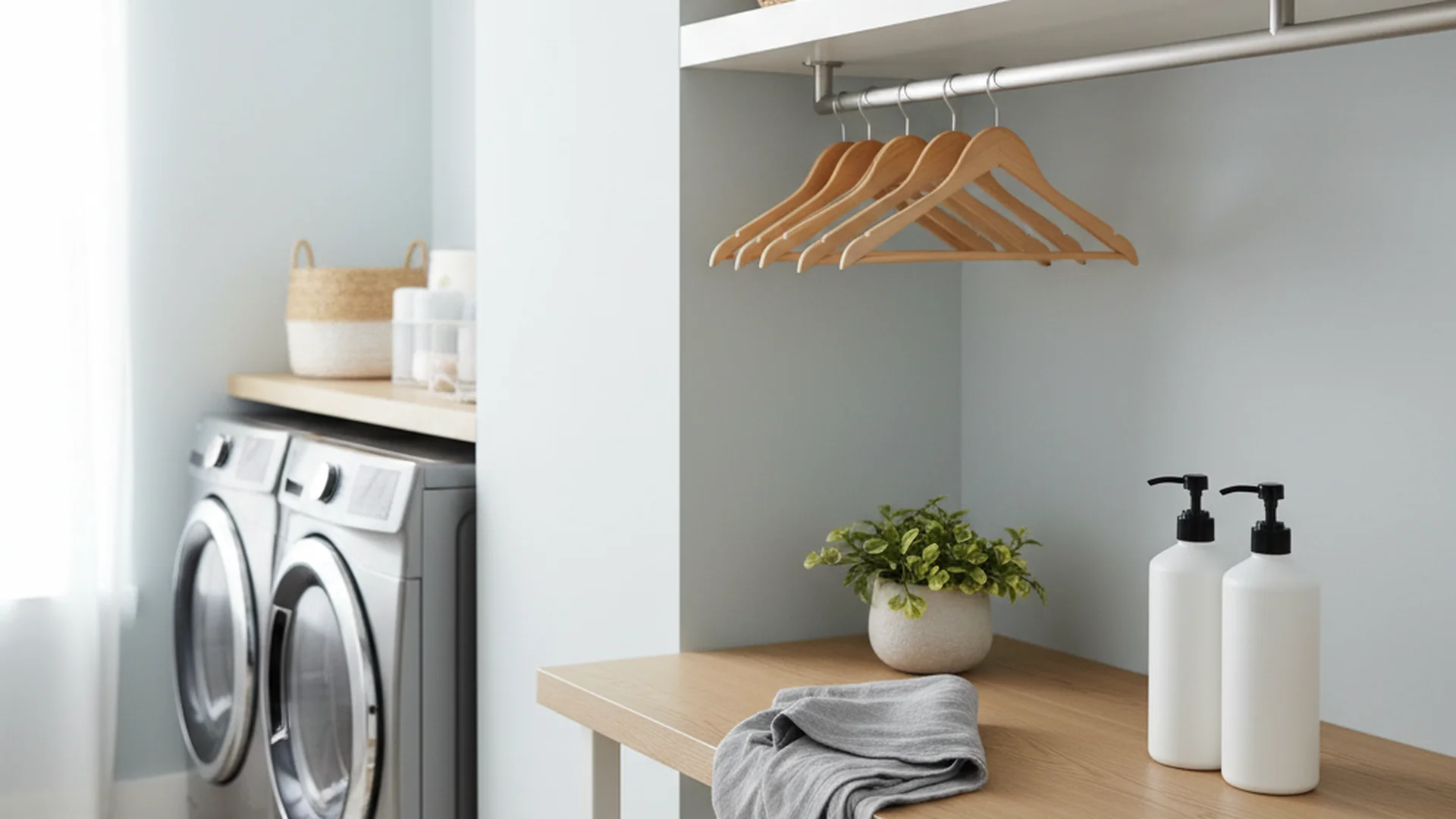
As we move through 2026, the laundry room is being reimagined. We are seeing a massive shift toward "Invisible Laundry Rooms"—a design trend where high-efficiency appliances are hidden behind seamless cabinetry or integrated into multi-functional "command centers" in hallways.
AI-Powered Smart Dosing
The latest 2026 washing machines feature advanced AI sensors. These aren't just gadgets; they detect the specific fabric type and the turbidity (cloudiness) of the water to determine soil levels. The machine then automatically dispenses the exact milligram of detergent needed. This eliminates the most common laundry mistake: over-sudsing.
Ozone Laundry Systems
Once reserved for hospitals and high-end hotels, home-integrated ozone generators are becoming a niche trend. These systems infuse the water with ozone (O3), which acts as a powerful disinfectant. The result is hospital-grade sanitization using only cold water and virtually no soap, making it the ultimate setup for families with sensitive skin or allergies.
Note: While AI machines are expensive, you can mimic "smart dosing" manually by simply using a measuring cup and ignoring the "fill to the line" markers on detergent caps, which are often designed to make you use more product than necessary.
The New Rules of Sorting: Beyond the Color Wheel
For decades, the golden rule was "whites with whites, colors with colors." However, thanks to modern synthetic dyes and the "Cold Water Revolution," color bleeding is far less common than it used to be. Today, the best laundry tips focus on fabric weight and friction management.
Fabric Weight vs. Color
Experts now recommend sorting by fabric weight and soil level. Why? Because heavy fabrics like denim act like sandpaper against delicate fibers during the agitation cycle.
- Heavy Duty: Jeans, towels, and heavy cotton hoodies.
- Medium Weight: T-shirts, linens, and button-down shirts.
- Delicates: Silks, athletic wear (spandex), and lace.
Example 1: The Denim Disaster Imagine washing a delicate polyester blouse with a pair of heavy work jeans. Even if you wash in cold water to prevent color transfer, the metal zipper and the coarse texture of the denim will rub against the blouse for 45 minutes. By the end of the year, that blouse will show significant pilling and "thinning" of the fabric—not because of the soap, but because of the friction.
Tip: Always wash towels separately from everything else. Their loops are designed to absorb water, but they also trap lint from other clothes, and their weight can damage lighter garments during the high-speed spin cycle.
Ingredient Spotlight: Why Less is More
One of the most frequent laundry tips tips you will hear from domestic specialists is that you are likely using too much soap. In 2026, detergents are more concentrated than ever.
The Power of Enzymes
Modern "Multi-Enzyme" sheets and liquids are replacing traditional harsh chemicals. When shopping for detergent, look for these three specific "Enzyme Families":
- Protease: Specifically targets protein-based stains like blood, grass, and baby formula.
- Lipase: Breaks down oils, grease, and body fats (the stuff that causes "pitted" yellow stains on shirts).
- Amylase: Dissolves starch-based stains like chocolate, pasta sauce, and gravy.
Soda Crystals for Crunchy Towels
If your towels have become stiff or "crunchy," it isn't because they are old—it’s because they are coated in waxy fabric softener buildup.
Example 2: The Towel Stripping Technique Instead of adding more softener (which makes the problem worse), soak your towels in a medium-strength mixture of warm water and soda crystals. This alkaline solution strips away the oily residue, restoring the natural fluffiness and absorbency of the cotton fibers.
Warning: Never mix white vinegar and baking soda directly in the wash drum. While they "fizz" impressively, the chemical reaction results in basic salty water, nullifying the cleaning properties of both. Use vinegar in the softener compartment and baking soda in the pre-wash, but never both at the same moment.
The 2026 "Cheat Sheet" for Garment Longevity
To keep your wardrobe looking like new, follow these quick-fire best practices developed by efficiency specialists.
The "Inside-Out" Rule
Turn all printed T-shirts, dark denim, and delicate knits inside out. This simple step ensures that the abrasive action of the wash happens on the side of the garment no one sees, protecting the color and the integrity of the prints.
Mesh Bag Mastery
Mesh bags aren't just for lingerie anymore. Use them for:
- Socks: To prevent the "lost sock" phenomenon where they get sucked into the machine’s drainage pump or door seal.
- Activewear: To prevent the hooks of sports bras or zippers of jackets from snagging your expensive leggings.
- Small Items: Baby clothes and cloth masks.
The Cold Water Revolution
Switching from hot to cold water saves approximately 90% of the energy used in a single wash cycle. Modern detergents are chemically engineered to activate in temperatures as low as 60°F (15°C).
| Item Type | Recommended Temp | Reason |
|---|---|---|
| Everyday Clothes | Cold | Saves energy, prevents fading |
| Bed Linens | Warm/Hot | Kills dust mites and bacteria |
| Oily Work Clothes | Warm | Helps Lipase enzymes break down grease |
| Delicates | Cold | Prevents fiber shrinkage |
Success: By switching to 95% cold water loads, the average household can save over $150 per year on energy bills while significantly reducing their carbon footprint.
Sustainability Corner: Microplastics and Water
Laundry is a major factor in environmental health. Research shows that laundry accounts for nearly 35% of all microplastics released into the world's oceans. These tiny fibers shed from synthetic fabrics like polyester, nylon, and acrylic.
To combat this:
- Use a Microplastic Filter: These can be attached to the discharge hose of any washing machine.
- Wash Full Loads: Friction between clothes causes more shedding. A full (but not overloaded) drum reduces the amount of "sloshing" and fiber breakage.
- Upgrade to a Front-Loader: While older top-loading machines use up to 40 gallons per load, modern front-loaders use roughly 13 gallons, a 67% reduction in water waste.
Common Mistakes to Avoid
Even seasoned pros make mistakes that can ruin clothes or damage appliances. Avoid these pitfalls:
- Leaving Zippers Open: An open zipper is essentially a saw blade inside your machine. It will snag and tear other garments. Always zip up before washing.
- Buttoning Your Shirts: Unlike zippers, shirts should be unbuttoned. The agitation of the cycle puts immense stress on the thread, which can tear the buttonholes or pull the buttons off entirely.
- Overloading the Drum: If you have to push the laundry down to make it fit, it is too full. Clothes need to "tumble" to get clean. Without space, the detergent cannot reach the center of the mass, leaving you with clothes that are still dirty.
- Neglecting the "Clean Cycle": Failing to run a monthly maintenance cycle is the lead cause of "stinky washer syndrome." Use a specialized tablet or a hot cycle with soda crystals every 30 washes to kill mold and bacteria hiding in the outer drum.
Frequently Asked Questions
Is sorting by color still necessary?
Does white vinegar actually work as a fabric softener?
How do I keep black clothes from fading?
Are laundry detergent sheets as effective as liquid?
Conclusion
Mastering the art of the modern wash is about balancing technology with time-tested techniques. By adopting the "Cold Water Revolution," utilizing the power of enzymes, and rethinking how you sort your loads, you can save money and ensure your favorite clothes stay in rotation for years to come. Remember: in the world of laundry, "more" is rarely "better." More soap leads to residue, more heat leads to damage, and more agitation leads to wear. Stick to the essentials, embrace the new tech of 2026, and your wardrobe will thank you.
Success: Implementing these laundry tips can increase the lifespan of your clothing by up to 50%, effectively cutting your fashion budget in half over time.
Cleaning that keeps score
Every task earns points, every streak multiplies them, and Premium adds a household leaderboard plus a monthly Dustagorgon to beat.
- Free forever
- 30 badges to earn
- Up to 6 in a household
No card needed. Set up your rooms in a couple of minutes.