In this article
What you’ll learn
- Implement a 15-minute flash clean immediately after festivities to reduce stress.
- Prioritize sustainable pumpkin disposal like composting or animal feed to reduce methane.
- Use specific hacks like the static balloon for glitter and ice packs for sticky candy.
The morning after Halloween often feels like the scene of a harmless crime. Between the scattered candy wrappers, the wilting jack-o'-lanterns on the porch, and the mysterious neon-green face paint on the sofa, the "environmental hangover" is real. However, mastering your halloween cleanup doesn't have to be a nightmare. As we move into 2025 and 2026, the focus of holiday maintenance has shifted from merely "tossing the trash" to embracing a circular, sustainable approach that protects your home and the planet.
Whether you are dealing with a glitter explosion in the living room or trying to figure out how to dispose of 40 pounds of rotting gourds, this guide provides the professional strategies you need to restore order to your haunted mansion.
The Environmental Impact of the "Spooky Season"
Before we dive into the scrubbing and sorting, it is vital to understand why an efficient halloween cleanup guide is more important now than ever. The scale of waste generated during this single 24-hour period is staggering. The overwhelming majority of Halloween costumes are manufactured from non-recyclable, oil-based plastics like polyester. These materials can linger in landfills for up to 200 years. In the United States alone, approximately 35 million costumes are discarded annually.
Furthermore, the "pumpkin problem" is a major contributor to greenhouse gas emissions. Over 1.3 billion pounds of pumpkins end up in U.S. landfills each year. When organic matter like a pumpkin rots in a landfill without oxygen, it produces methane gas—a substance nearly 28 times more potent than carbon dioxide in trapping heat in our atmosphere. By following a structured cleanup plan, you aren't just tidying your home; you are participating in a global effort to reduce holiday-related waste.
The "Day After" Action Plan: A Systematic Approach
The secret to a stress-free halloween cleanup is breaking the tasks into manageable phases. Attempting to do everything at once leads to burnout and overlooked stains.
The 15-Minute Flash Clean
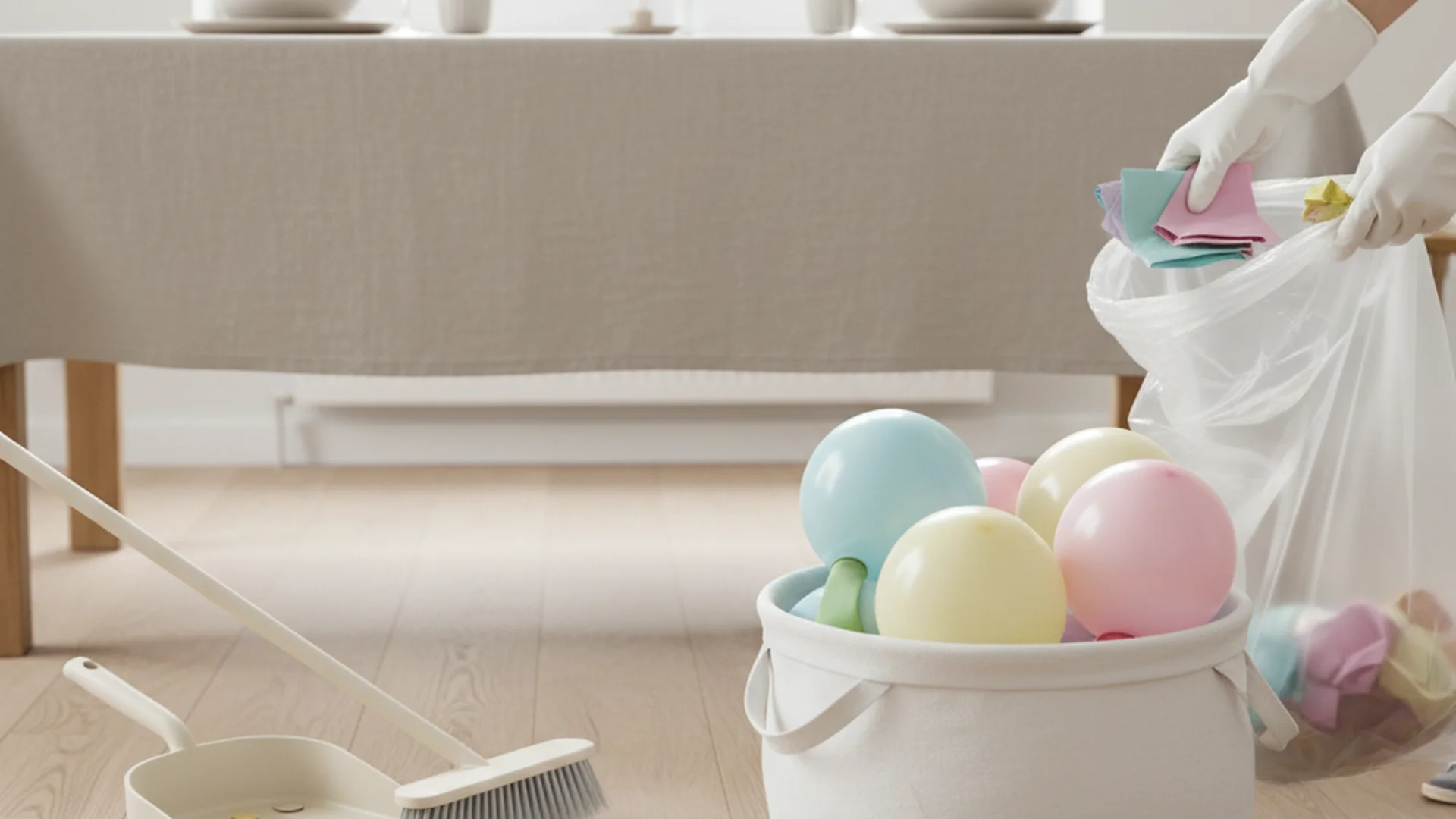
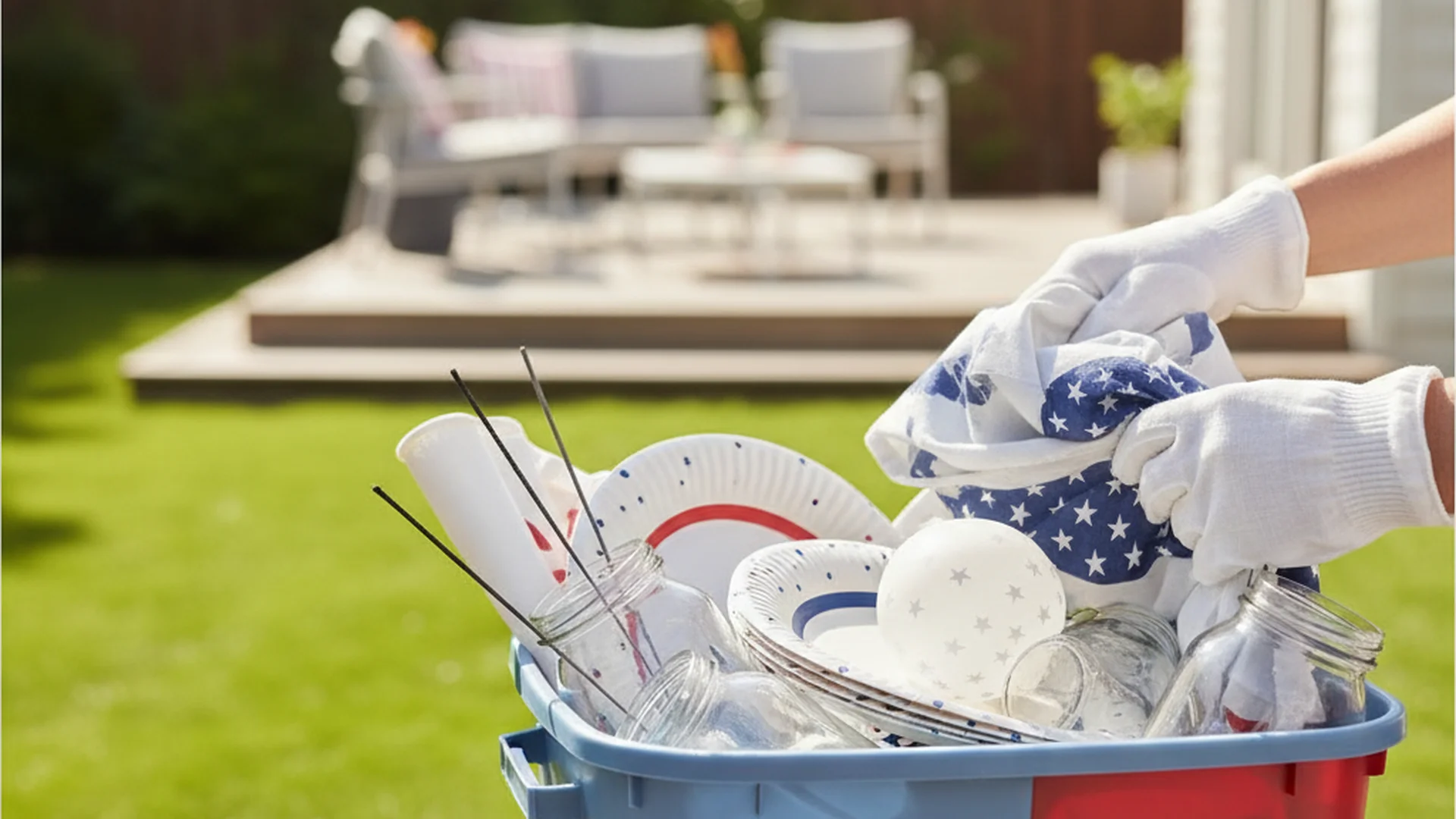
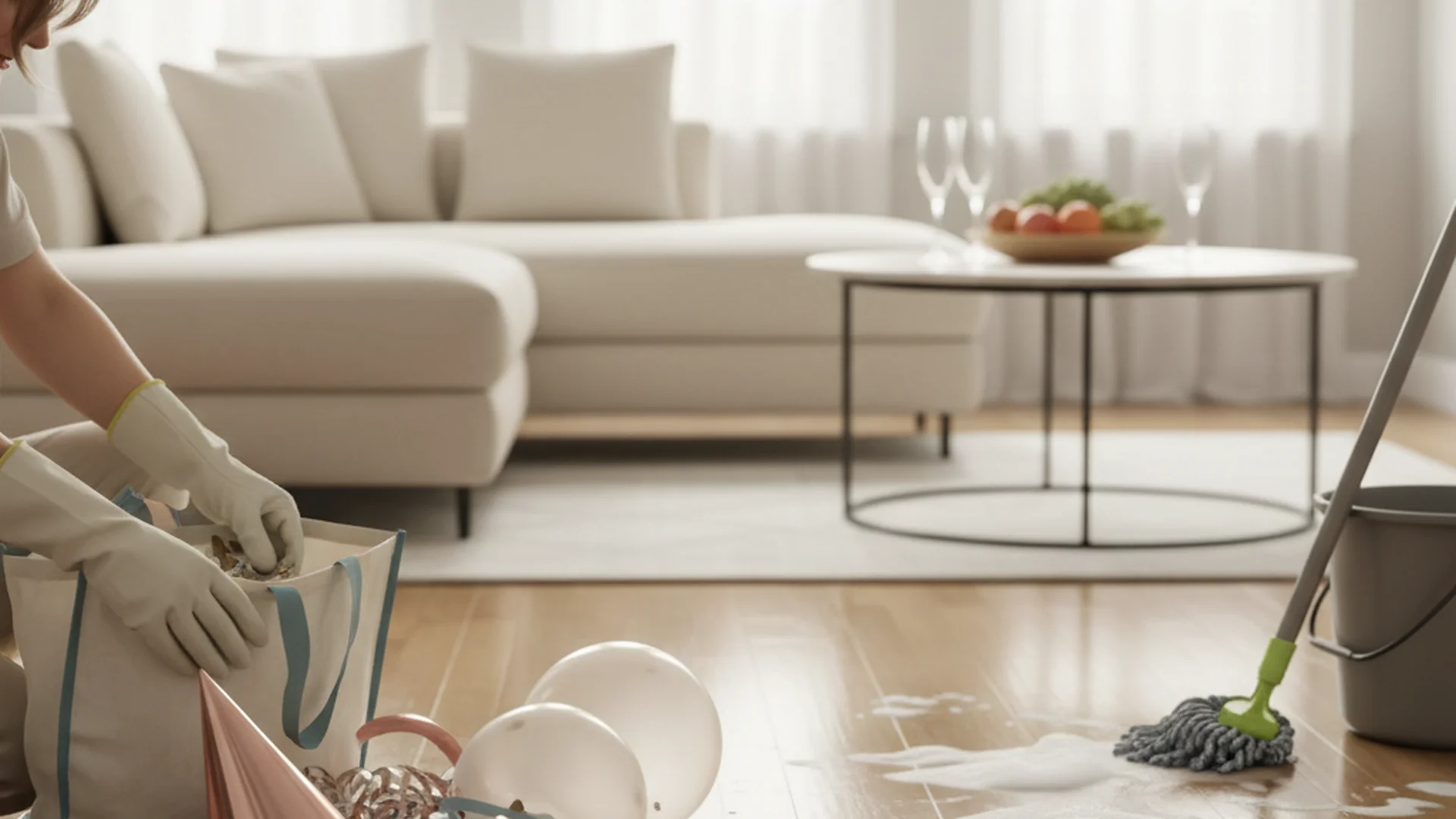
Immediately following a party or trick-or-treating session, perform a "Flash Clean." Walk through your home with two distinct bags: one for landfill trash (broken plastic toys, non-recyclable wrappers) and one for recycling (clean cardboard, paper).
Tip: Clearing the floor and flat surfaces first makes the deeper cleaning tasks feel significantly less overwhelming.
The Static Balloon Trick for Glitter
If your "fairy" or "wizard" left a trail of glitter across the carpet, don't reach for the vacuum immediately—traditional vacuums often just blow glitter further into the room. Instead, use a slightly inflated balloon. Rub the balloon against your hair or a wool sweater to create a static charge, then hover it over the glitter. The particles will jump onto the balloon, allowing you to wipe them off into a bin.
Eliminating Spooky Stains
Halloween presents unique cleaning challenges, from oil-based face paints to the sugary residue of melted taffy. Here is how to handle the most common offenders.
Removing Fake Blood and Face Paint
Fake blood is notoriously difficult because it often contains red dyes and oils. If you find a stain on your carpet or upholstery, the golden rule is to blot, never rub.
- Cold Water: Use a white cloth dipped in cold water to blot as much pigment as possible.
- Dish Soap: Mix a drop of grease-cutting dish soap with water and continue blotting.
- Rubbing Alcohol: For oil-based makeup, a small amount of rubbing alcohol on a cotton ball can break down the oils. Always test a small, inconspicuous area first.
Warning: Never use hot water on a fake blood stain, as heat can permanently set the protein and dye into the fabric fibers.
The "Ice Pack" Candy Hack
Sticky candy like lollipops or taffy can become a permanent fixture of your rug if not treated correctly.
Example 1: The Living Room Rug Rescue. Imagine a guest dropped a piece of chewed taffy onto your white shag rug. Instead of pulling at the fibers, place an ice pack directly on the candy for 30 to 60 minutes. Once the sugar is frozen and brittle, use a blunt butter knife to shatter the candy and scrape the pieces away. This prevents the sticky residue from spreading deeper into the pile.
Sustainable Pumpkin Disposal
In 2025, the trend is moving away from "trash-binning" your jack-o'-lanterns. If your pumpkin is unpainted and unbleached, it is a resource, not rubbish.
The Three S’s of Disposal
- The Smash: Many communities now host "Pumpkin Smash" events. These are organized gatherings where residents bring their gourds to be pulverized and sent to industrial composting facilities.
- The Snack: If you have uncarved pumpkins used as porch decor, the flesh is still perfectly edible. Puree it for pies, soups, or muffins.
- The Feed: Contact local farms or zoos. Many animals, including pigs and even elephants, find pumpkins to be a delicious and nutritious treat.
Note: Only unadulterated pumpkins should be fed to animals. If you used glitter, paint, or bleach to preserve your pumpkin, it must be disposed of in the regular trash to avoid poisoning local wildlife.
Costume Care and the "Circular Halloween"
The 2025-2026 season marks a major shift toward "Costume Libraries" and "Modular Costumes." Rather than letting a $60 costume sit in a bin for a decade, consider these steps:
Proper Washing
Most store-bought costumes are made of delicate synthetic fibers. Washing them in a standard machine cycle can lead to shredding or melting in the dryer. Hand-wash costumes in a basin with mild detergent and hang them to air-dry.
The Modular Trend
Example 2: The Superman Transformation. In 2026, we are seeing a rise in "modular" costumes. Instead of a one-piece polyester suit, consumers are buying high-quality red boots, blue chinos, and branded hoodies—items that can be worn as regular clothing after October 31st. This reduces waste and saves money in the long run.
Costume Swaps
Before you pack your items away, check for local "Buy-back" or "Costume Swap" programs. Many retailers are now offering store credit for returned costumes, which they then refurbish or recycle into new textiles.
Common Mistakes to Avoid
Even the most well-intentioned halloween cleanup can go awry if you fall into these common traps:
- Flushing Face Paint: Never wash heavy, oil-based face paint down the sink. These fats can solidify in your pipes or contribute to "fatbergs" in city sewers. Use a makeup wipe or paper towel and dispose of it in the trash.
- Using Bleach on Synthetic Costumes: Bleach is too harsh for the cheap dyes used in most costumes and can cause yellowing or "bleeding" of colors. Use oxygen-based cleaners for brightening.
- Leaving the "Guts" Inside: If you are keeping a carved pumpkin for a few extra days, ensure the interior is scraped completely clean. Leaving seeds and "guts" inside accelerates rot and attracts pests like fruit flies and raccoons.
- "Natural" Dumping: A common misconception is that it is okay to leave rotting pumpkins in local woods or parks. While they are organic, large piles can attract invasive pests or spread diseases if the pumpkins were treated with chemical preservatives.
Frequently Asked Questions
How do I get pumpkin "rot" stains off my porch?
Is it safe to wash my Halloween costume in the machine?
How do I remove fake blood or face paint from the carpet?
Can I compost a painted or bleached pumpkin?
Conclusion
A successful halloween cleanup is the bridge between a fun holiday and a sustainable new year. By implementing the "Static Balloon" trick, utilizing "The Smash" for pumpkin disposal, and moving toward a circular costume economy, you can eliminate the stress and environmental impact of the season.
Example 3: The Community Impact. By choosing to compost your pumpkin rather than landfilling it, you are directly preventing the release of methane. If every household in a single mid-sized city followed these steps, it would be the equivalent of taking hundreds of cars off the road for a month. Your small actions in your own living room and on your front porch have a massive cumulative effect.
Success: By following this guide, you’ve not only restored your home's sparkle but also contributed to a more sustainable, circular holiday tradition for years to come.
Cleaning that keeps score
Every task earns points, every streak multiplies them, and Premium adds a household leaderboard plus a monthly Dustagorgon to beat.
- Free forever
- 30 badges to earn
- Up to 6 in a household
No card needed. Set up your rooms in a couple of minutes.