In this article
What you’ll learn
- Always deep clean the apartment before moving furniture in.
- Follow the Top-to-Bottom rule to avoid re-contaminating surfaces.
- Use "dwell time" to let disinfectants work effectively.
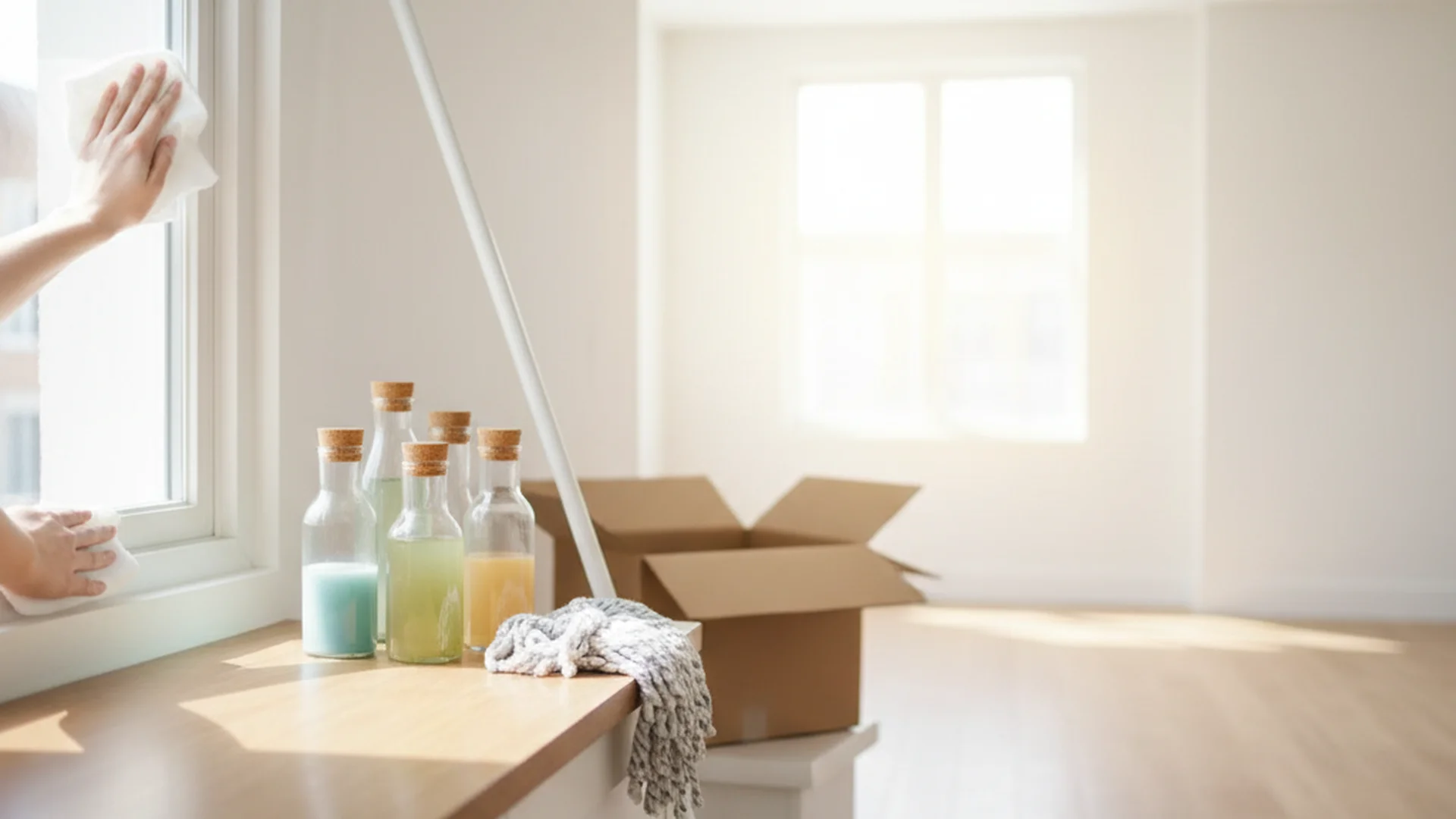
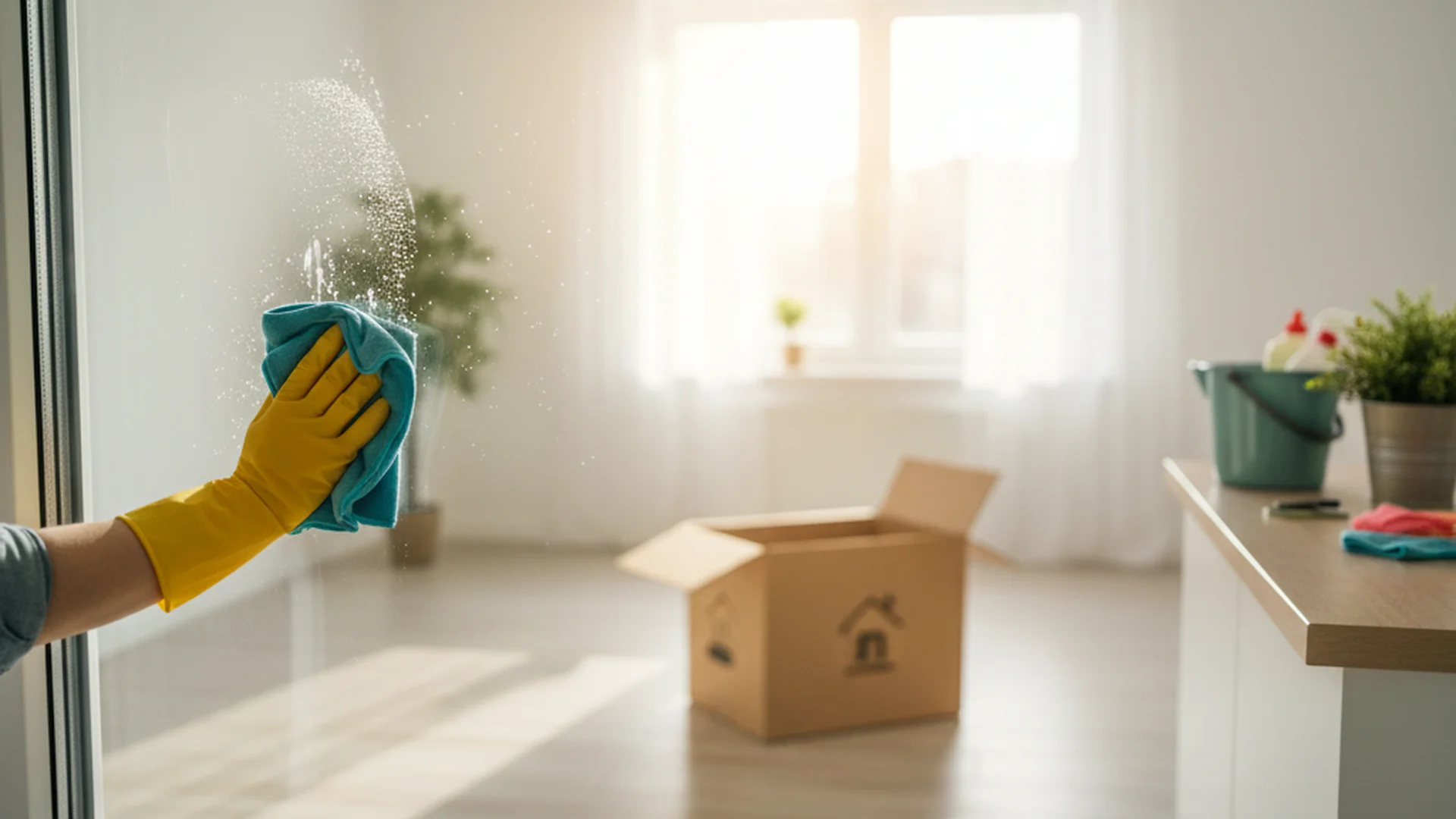
Moving into your own space is a rite of passage, representing independence and a fresh start. However, that "new home" smell is often a mix of fresh paint and the previous tenant's leftover grime. Mastering your first apartment cleaning is the most important step you can take to reclaim your space and ensure a healthy living environment. Whether you are moving into a studio or a three-bedroom unit, starting with a clinical baseline of cleanliness is essential for both your physical health and your mental well-being.
Why Your First Apartment Cleaning Matters
Many renters assume that a "broom-clean" unit provided by a landlord is sufficient. In practice, germ hotspots are frequently missed during standard move-out cleans. Kitchen sinks, for instance, routinely harbour far more bacteria than bathroom sinks.
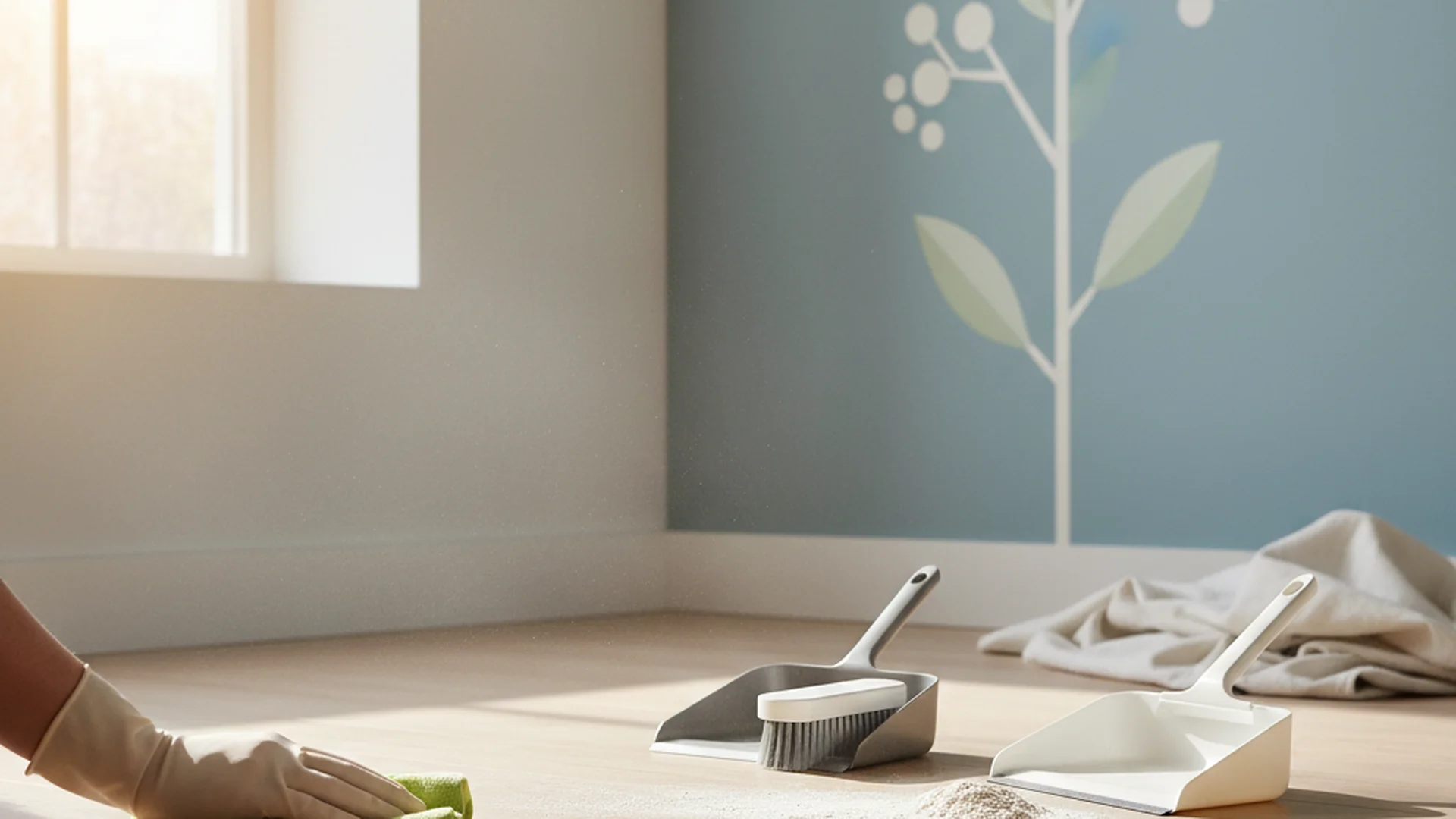
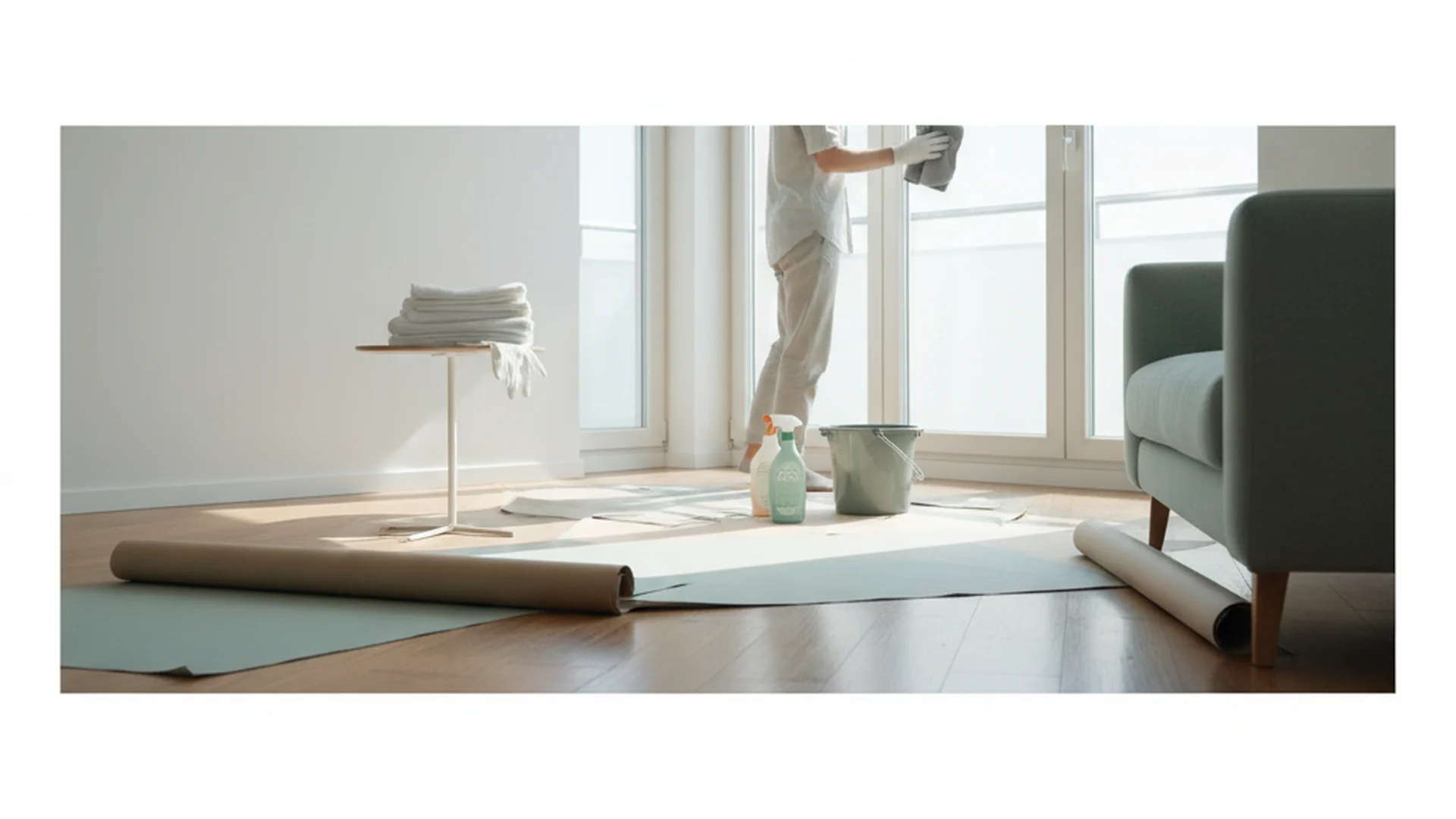
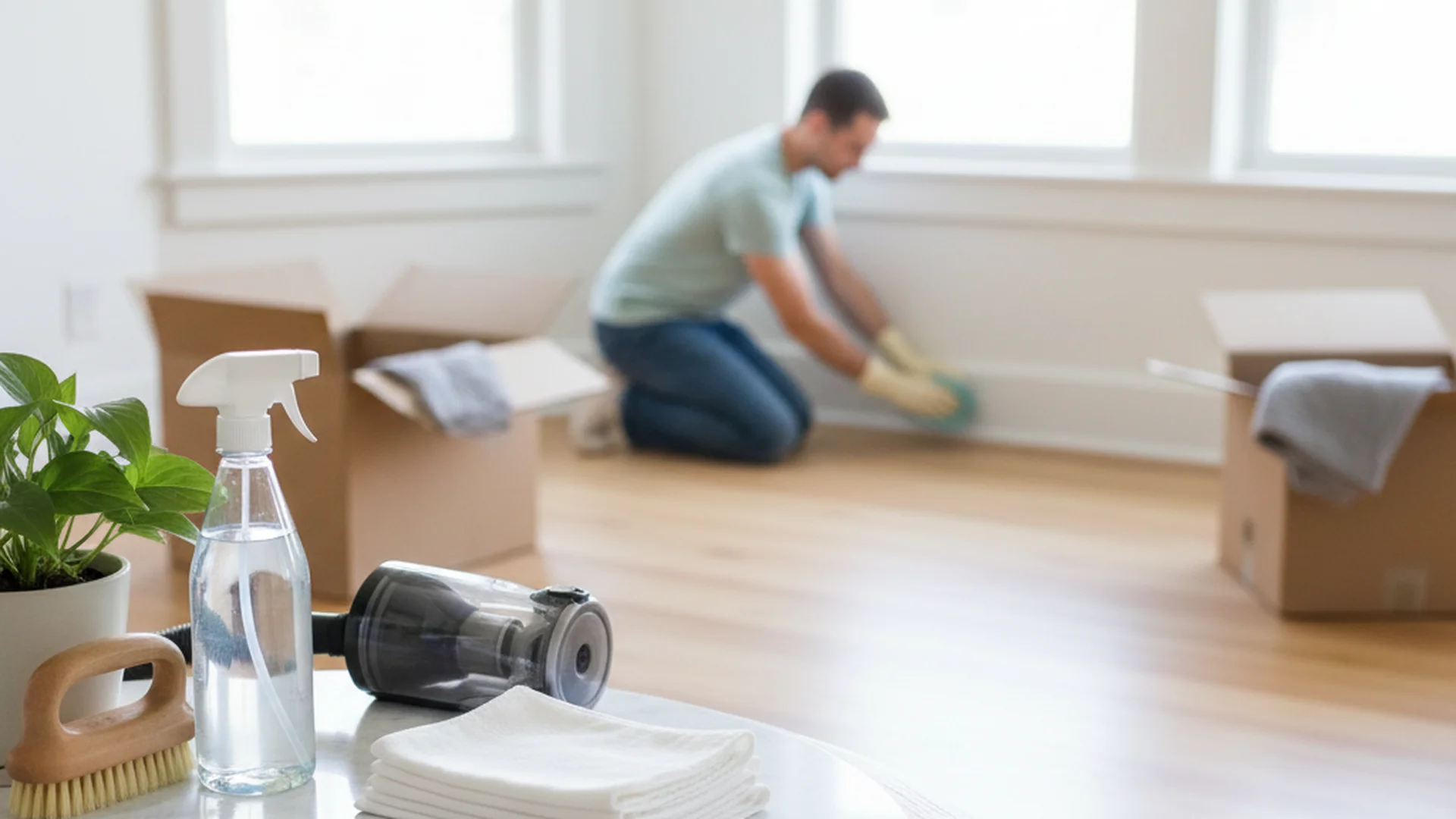
When you perform your initial first apartment cleaning, you aren't just tidying up; you are performing a "sanitary reset." This is the only time the apartment will be completely empty, giving you access to baseboards, the backs of cabinets, and floor corners that will soon be blocked by heavy furniture.
Tip: Before you bring in a single box, take high-resolution photos of every room. Documenting "gunk" on top of the fridge or stains in the carpet is vital for protecting your security deposit when you eventually move out.
The Essential Shopping List: Your First Day Kit
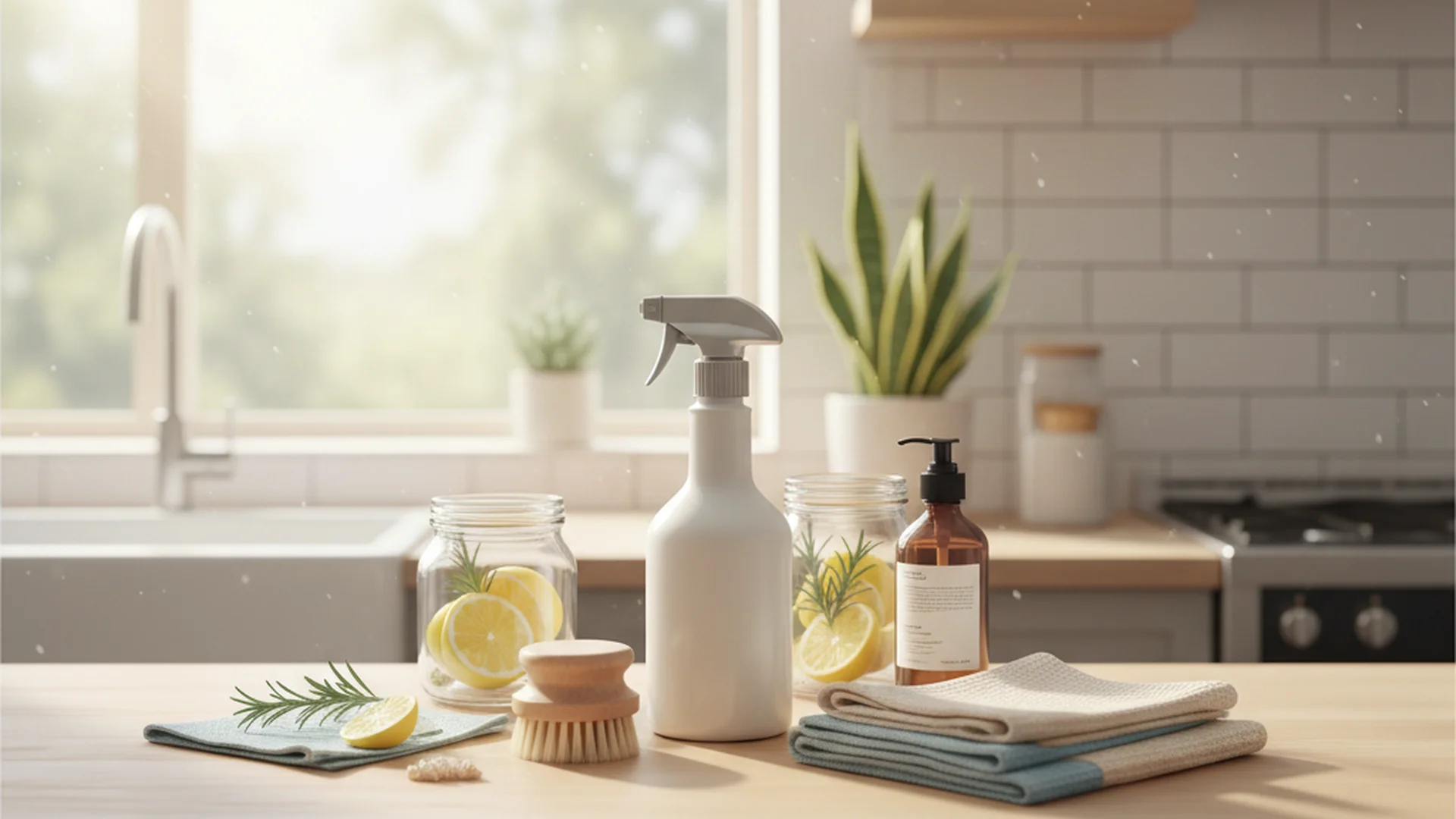
Before you can execute a professional-grade clean, you need the right arsenal. As we move into 2026, the trend is shifting away from bulky, single-use plastic bottles toward sustainable, space-saving solutions.
The Basic Tool Kit
- Microfiber Cloths: These are the gold standard. They can reduce chemical dependency by 90% and are washable.
- Vacuum with HEPA Filter: Essential for indoor air quality (IAQ), especially in older apartment buildings.
- Spray Mop: Models with refillable reservoirs are better for the environment and your wallet.
- Scrub Brushes: A large one for tubs and an old toothbrush for grout and window tracks.
The Cleaning Supplies
| Product | Purpose | Eco-Friendly Alternative |
|---|---|---|
| All-Purpose Cleaner | Countertops, tables, walls | Concentrated tablets (Blueland/Grove) |
| Glass Cleaner | Mirrors, windows, chrome | 50/50 Water and White Vinegar |
| Disinfectant | High-touch surfaces (doorknobs) | Hydrogen peroxide-based sprays |
| Degreaser | Kitchen backsplash, stove hood | Baking soda paste |
Note: For small apartments, consider a "Cleaning Ecosystem" approach. Refillable "forever" bottles save significant cabinet space under the sink.
The Move-In Deep Clean: A Step-by-Step Strategy
The most efficient way to handle a first apartment cleaning is to follow the "Top-to-Bottom, Dry-to-Wet" method. This ensures that gravity works with you, not against you.
Step 1: The Ceiling and Walls (The Top)
Dust and cobwebs naturally settle high up. Use a long-handled duster or a microfiber cloth attached to a broom to wipe down ceiling fans, light fixtures, and the tops of door frames.
Warning: Always turn off the power at the wall before wiping down light fixtures or changing bulbs.
Step 2: High-Touch Surfaces and "Dwell Time"
This is where many first-time renters fail. Most disinfectants require a "dwell time" of 3 to 10 minutes to actually kill bacteria and viruses.
Example 1: The Doorknob Dilemma. Remote controls and doorknobs often harbour more bacteria than a toilet seat, simply because nobody ever thinks to clean them. Spray these surfaces and let them sit while you move on to the next task.
Step 3: The Kitchen Deep Clean
The kitchen is the most complex zone.
- Inside Cabinets: Vacuum out crumbs before wiping with a damp cloth.
- The Refrigerator: Pull it out from the wall. Vacuum the coils behind it to improve energy efficiency and prevent a common landlord "deduction" during move-out.
- The Dishwasher Filter: Most renters don't realize dishwashers have a removable filter at the bottom. If your "clean" dishes smell funky, this is likely the culprit.
Step 4: The Bathroom Reset
Apply cleaner to the tub, tiles, and toilet, and let it "dwell." While the chemicals work, clean the mirror and medicine cabinet. Finish by scrubbing the grout with a firm brush.
Success: Using the dwell time rule reduces the physical "elbow grease" required, as the chemicals break down grime for you.
Modern Cleaning Trends for 2025 and 2026
The way we clean is changing. First-time renters are increasingly tech-savvy and environmentally conscious.
Smart Cleaning Ecosystems
AI-powered robot vacuums have moved from luxury items to apartment essentials. Many 2026 models are designed specifically for small spaces, featuring "no-go zones" to prevent them from getting stuck on rug tassels or power cords. Integrating these with a smart home hub allows you to maintain floors while you are at work or school.
Focus on Indoor Air Quality (IAQ)
Living in dense urban environments often means dealing with dust and pollutants. Modern cleaning now includes "cleaning the air." HEPA-filter vacuums and stylish, compact air purifiers (like those from Coway or Blueair) are now considered core components of a cleaning routine.
UV-C Sanitization
Portable UV-C wands are becoming a mainstream tool for sanitizing electronics. Since you shouldn't spray liquids directly onto keyboards or smartphones, a 30-second pass with a UV-C light can eliminate 99.9% of pathogens without risking water damage.
Common Mistakes to Avoid
Even with the best intentions, first-time cleaners often fall into these traps:
1. Mixing Chemicals
This is the most dangerous mistake. Never mix bleach with ammonia (found in many glass cleaners) or bleach with vinegar. This creates toxic chloramine or chlorine gas, which can be fatal in small, unventilated apartment bathrooms.
2. Making "Mud"
Never use a wet rag on a surface covered in loose dust or crumbs. Always vacuum or dry-dust first. If you apply liquid to a dusty baseboard, you will simply smear "mud" into the crevices, making it twice as hard to clean.
3. Using Vinegar on Natural Stone
If your new apartment has granite or marble countertops, keep the vinegar away. The acid in vinegar (and lemon) can "etch" or dull the surface of natural stone permanently. Use a pH-neutral stone cleaner instead.
4. Neglecting the "Hidden" Areas
Landlords and property managers look at the tops of kitchen cabinets and the tracks of sliding glass doors during inspections. Cleaning these during your move-in ensures they never get "crusty" enough to become a problem later.
Warning: Using abrasive steel wool on stainless steel appliances can leave permanent scratches. Stick to microfiber and specialized stainless steel polish.
Creating a Sustainable Routine
Cleaning a whole apartment in one day is exhausting. To prevent "cleaning burnout," use a first apartment cleaning template that breaks tasks into manageable zones.
The Zonal Cleaning Template
- Monday: Kitchen (Counters, sink, appliance exteriors).
- Tuesday: Bathroom (Toilet, shower, mirror).
- Wednesday: Living Area (Dusting, electronics).
- Thursday: Bedroom (Linens, decluttering).
- Friday: Floors (Vacuuming and mopping).
Managing Social Dynamics
If you are moving in with a partner or roommate, the division of labor is a frequent source of friction—housework is one of the most common things couples bicker about week to week. To mitigate this, print out a first apartment cleaning printable checklist and post it on the fridge. Assigning specific "owners" to tasks ensures accountability and prevents resentment.
Example 2: The "Spore" Scare. A tenant moved into a basement apartment and noticed a musty smell. Instead of just spraying air freshener, they followed a deep-cleaning checklist and found mold growing behind the washing machine. By catching it during the move-in phase, they were able to have the landlord remediate it before their clothes and furniture were affected.
Example 3: The Microwave Steam Hack. To clean a crusty microwave left by a previous tenant, place a bowl of water with lemon slices inside and run it for 3 minutes. The steam softens the stuck-on food, allowing you to wipe it away with a single cloth—no scrubbing required.
Frequently Asked Questions
Should I clean my apartment before or after I move my furniture in?
How do I deep clean for the first time?
What is "normal" for a move-in state?
How often should I replace my cleaning tools?
Conclusion
Your first apartment is more than just a place to sleep; it is a sanctuary. Investing time in a thorough first apartment cleaning creates a healthy foundation for your new life. By utilizing modern tools like HEPA vacuums and refillable concentrates, and following professional systems like the "Top-to-Bottom" rule, you can maintain a pristine home with minimal effort.
Remember, cleanliness isn't just about aesthetics—it's about domestic efficiency and mental clarity. A tidy space reduces stress and allows you to focus on the excitement of your new journey.
Success: A clean apartment isn't just a chore; it's the first step toward a successful, organized independent life.
Cleaning that keeps score
Every task earns points, every streak multiplies them, and Premium adds a household leaderboard plus a monthly Dustagorgon to beat.
- Free forever
- 30 badges to earn
- Up to 6 in a household
No card needed. Set up your rooms in a couple of minutes.