In this article
What you’ll learn
- Start with the 5-Minute Rule to break through initial paralysis.
- Prioritize "non-emotional" zones like bathrooms over sentimental items.
- Implement the 20/20 Rule to eliminate "just in case" hoarding.
Walking into a room filled with piles of laundry, overflowing drawers, and surfaces you haven't seen in months creates a specific kind of internal static. If you feel stuck, you aren't alone. Most people feel real stress because of the clutter in their homes, and a great many of them feel too paralyzed to even begin the process. This state of being decluttering overwhelmed is a physiological response, not a personal failing. When the visual stimuli in our environment become too much for our brains to process, we often shut down.
But reclaiming your space doesn't require a week-long marathon or a total lifestyle overhaul. By understanding the science of why your brain is resisting and using tactical, bite-sized strategies, you can move from paralysis to progress.
The Science of Why Clutter Causes Overwhelm
It is easy to dismiss clutter as a mere aesthetic issue, but the impact on your biology is profound. Our brains are hardwired to prefer order; when that order is disrupted by excess items, our cognitive resources are drained.
The Cortisol Connection
Living in a cluttered environment spikes your cortisol—the body’s primary stress hormone. High levels of cortisol over time lead to fatigue, irritability, and decreased focus. Conversely, the act of decluttering brings those hormone levels back down.
Cognitive Drain and Productivity
When your environment is cluttered, your brain is constantly "scanning" the items around you, even if you aren't consciously looking at them. Your thinking simply is not as sharp. On top of that, a real slice of every single day goes on searching for lost items—hours a week of pure frustration and wasted time.
The Financial Burden of "Stuff"
The overwhelm isn't just mental; it’s financial. The modern household holds an enormous number of individual items. That excess costs you real money every year in lost productivity, in replacing things you can't find, and in bills that end up buried under paper piles. Even our homes are shrinking under the weight of our belongings; plenty of people with two-car garages cannot park a single car inside because the space is packed with clutter.
Tip: If you find yourself unable to focus on a work task, spend just 5 minutes clearing your immediate desk surface. The reduction in visual "noise" can provide an instant boost to your productivity.
Breaking the Paralysis: The "Small Wins" Strategy
The biggest mistake people make when decluttering overwhelmed is trying to tackle the entire house in a single weekend. This leads to "decision fatigue," a state where your brain simply refuses to make another choice about what to keep or toss. To avoid this, we focus on the "Small Wins" strategy.
The 5-Minute Rule
If the thought of cleaning out a closet makes you want to take a nap, commit to the 5-minute rule. Set a timer on your phone for exactly five minutes. Tell yourself you can stop the moment the timer goes off. Usually, the hardest part of decluttering is the transition from "not doing" to "doing." Once you break that initial friction, you’ll often find the momentum to continue for another ten or twenty minutes.
Targeting "Hot Spots"
Every home has "hot spots"—surfaces that naturally attract clutter like magnets. Common culprits include:
- The entry table where mail piles up.
- The kitchen island or breakfast bar.
- The chair in the bedroom that becomes a "closet" for worn-but-not-dirty clothes.
Clearing these areas first provides the highest visual impact. When you see a clear surface, it sends a signal to your brain that the environment is becoming manageable, providing the dopamine hit needed to keep going.
Success: One of my clients began by clearing just her kitchen island every evening. This one "hot spot" win reduced her morning anxiety so much that she eventually cleared her entire kitchen over the course of a month.
Proven Methods for 2025-2026
Modern decluttering has moved away from the "all or nothing" approach. Here are the most effective decluttering overwhelmed tips used by professionals today.
The "No-Mess" Method (Dana K. White)
Many people start by "panic decluttering"—pulling every single item out of a closet and dumping it on the floor. While this feels productive for the first ten minutes, it often leads to a "mid-way exhaustion" where you are left with a bigger mess than you started with.
The No-Mess Method suggests you never pull more out than you can put away in one minute. Work item by item. If you pick up a pair of shoes, take them to their permanent home immediately. This way, if you have to stop unexpectedly, your house is actually cleaner than when you started, not worse.
The 20/20 Rule for "Just in Case" Items
We often keep things because of a "scarcity mindset"—the fear that we might need an item someday and won't have it. To combat this, use the 20/20 Rule: If you can replace an item for under $20 and in under 20 minutes from your house, you can safely let it go. This is particularly helpful for "extra" kitchen gadgets, duplicate tools, or hobby supplies you haven't touched in years.
The 90/90 Rule
Created by The Minimalists and updated for 2026, this rule is simple: Have you used this item in the last 90 days? Will you use it in the next 90 days? If the answer to both is no, the item is likely taking up more "mental real estate" than it is worth.
Note: The 90/90 rule should be adjusted for seasonal items like snow shovels or holiday decor. Use it primarily for clothing, gadgets, and everyday household goods.
The Ultimate Decluttering Overwhelmed Checklist
When you are deep in the fog of overwhelm, you need a roadmap. Follow this decluttering overwhelmed checklist to regain control of your space without the stress.
- Select a "Zero-Emotion" Zone: Do not start with your late grandmother’s jewelry or old photo albums. Start in the bathroom or the pantry. These areas contain items with expiration dates and clear functions, making decisions easy.
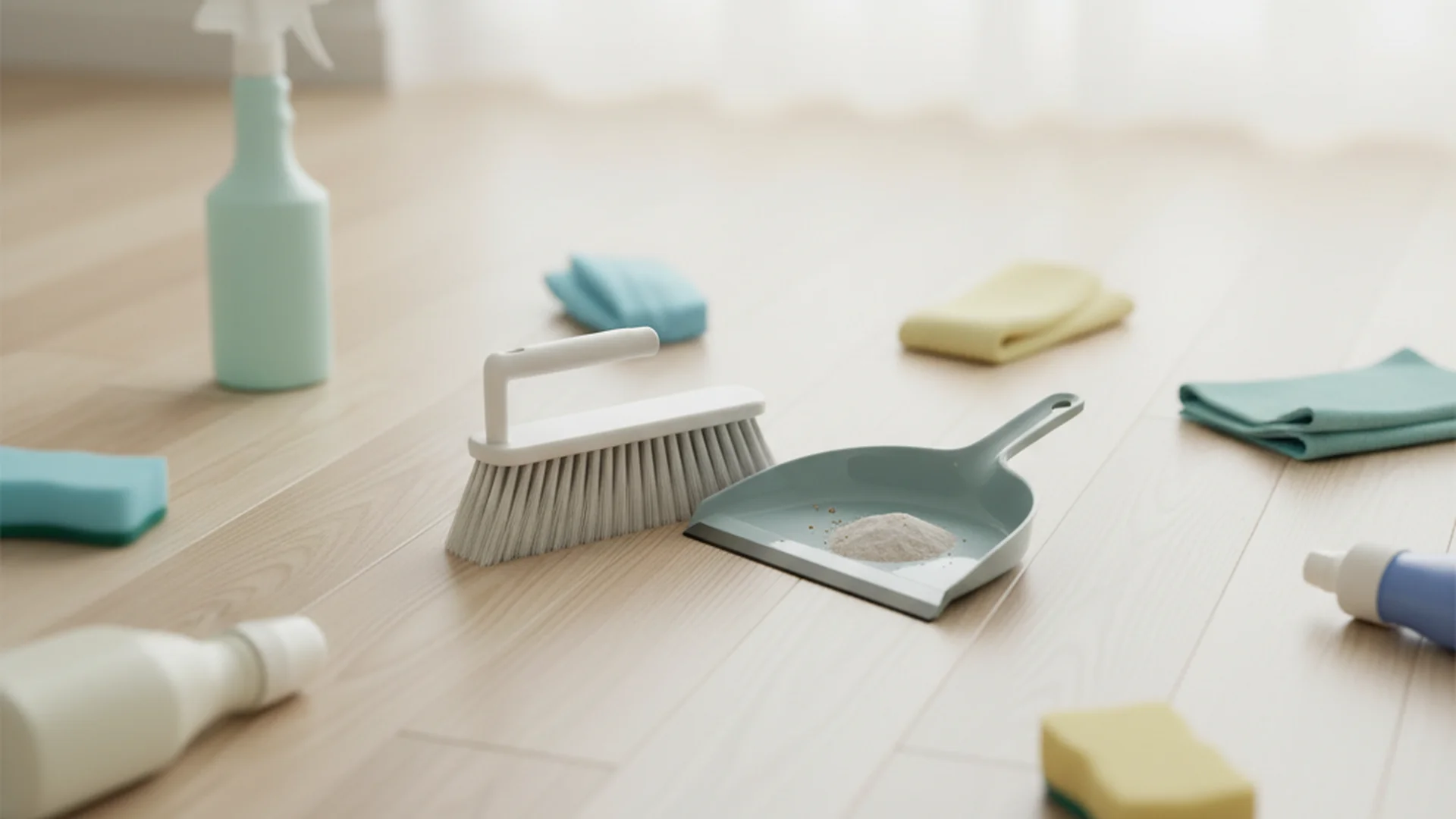
- Gather Your Tools: You only need three things: a trash bag, a "donate" box, and a "put back" basket.
- Set a 15-Minute Timer: Short bursts prevent decision fatigue.
- The "One-Touch" Rule: When you pick up an item, you must make a decision immediately. Do not put it back down to "think about it later."
- Identify the Trash First: Start by looking only for actual garbage. Old receipts, broken pens, and expired medications. Clearing the literal trash creates immediate space.
- Apply the 20/20 Rule: Move through the remaining items quickly.
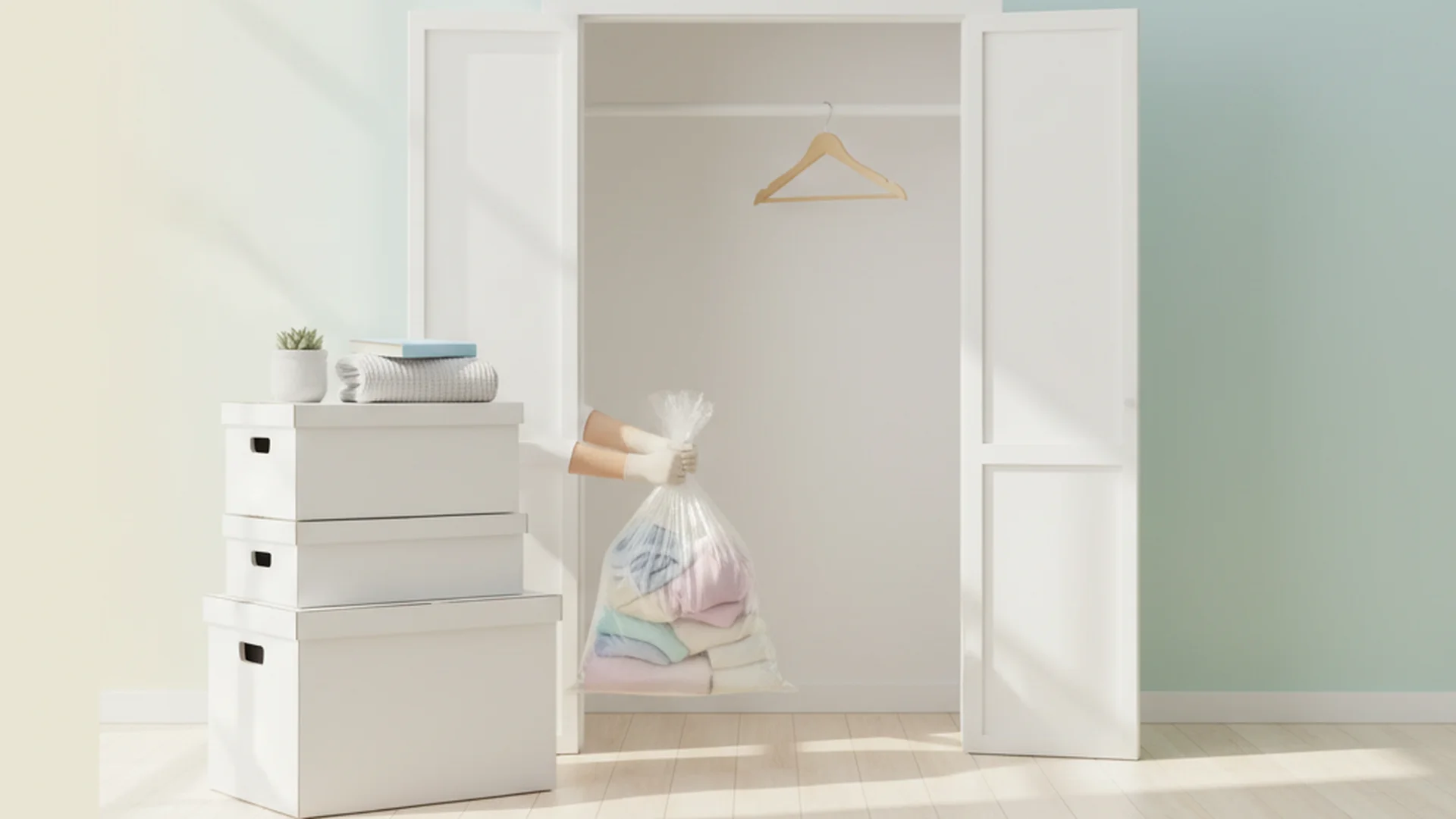
- Execute the Exit Strategy: This is the most crucial step. Once the timer is up, take the trash to the bin and put the donation box in the trunk of your car immediately.
Warning: Never leave donation bags sitting in your hallway or guest room. They will eventually "re-clutter" your space and become part of the background furniture.
Modern Trends: Digital and Sustainable Decluttering
As we move into 2026, the definition of clutter is expanding beyond physical objects. We are also seeing a shift in how we get rid of things.
Digital Minimalism
With the sheer volume of data we now wade through every day, "Digital Fatigue Syndrome" is a rising concern. Digital decluttering is now just as important as physical cleaning.
- Unsubscribe: Use a tool to mass-unsubscribe from retail newsletters that tempt you to buy more stuff.
- The App Audit: Delete any app you haven't opened in three months.
- Desktop Reset: Clear your computer desktop of all files at the end of every Friday.
Bespoke Organizing and Neurodiversity
We are moving away from the "one-size-fits-all" aesthetic of perfectly labeled white bins. 2026 trends emphasize "Bespoke Organizing," which respects how different brains work. For example, individuals with ADHD often struggle with "out of sight, out of mind." For them, clear bins or open shelving are more effective than hidden drawers. Organize for the way you actually live, not for how a magazine photo looks.
Sustainable Exit Strategies
People are increasingly wary of "landfill guilt." To combat this, look into:
- Buy Nothing Groups: Local Facebook groups where you can give items directly to neighbors who need them.
- Textile Recycling: Many retailers now take old, stained clothes that aren't fit for donation to turn them into insulation.
- Up-cycling: Only keep "project" items if you have a scheduled date to complete the project within the next 30 days.
| Decluttering Method | Best For | Focus |
|---|---|---|
| 5-Minute Rule | Extreme Overwhelm | Starting Momentum |
| 20/20 Rule | Practical Items | Scarcity Mindset |
| No-Mess Method | Large Rooms | Preventing Extra Mess |
| Digital Reset | Mental Clarity | Reducing Screen Stress |
Common Mistakes to Avoid
Even with the best intentions, it’s easy to fall into traps that make the overwhelm worse.
Buying Organizers First
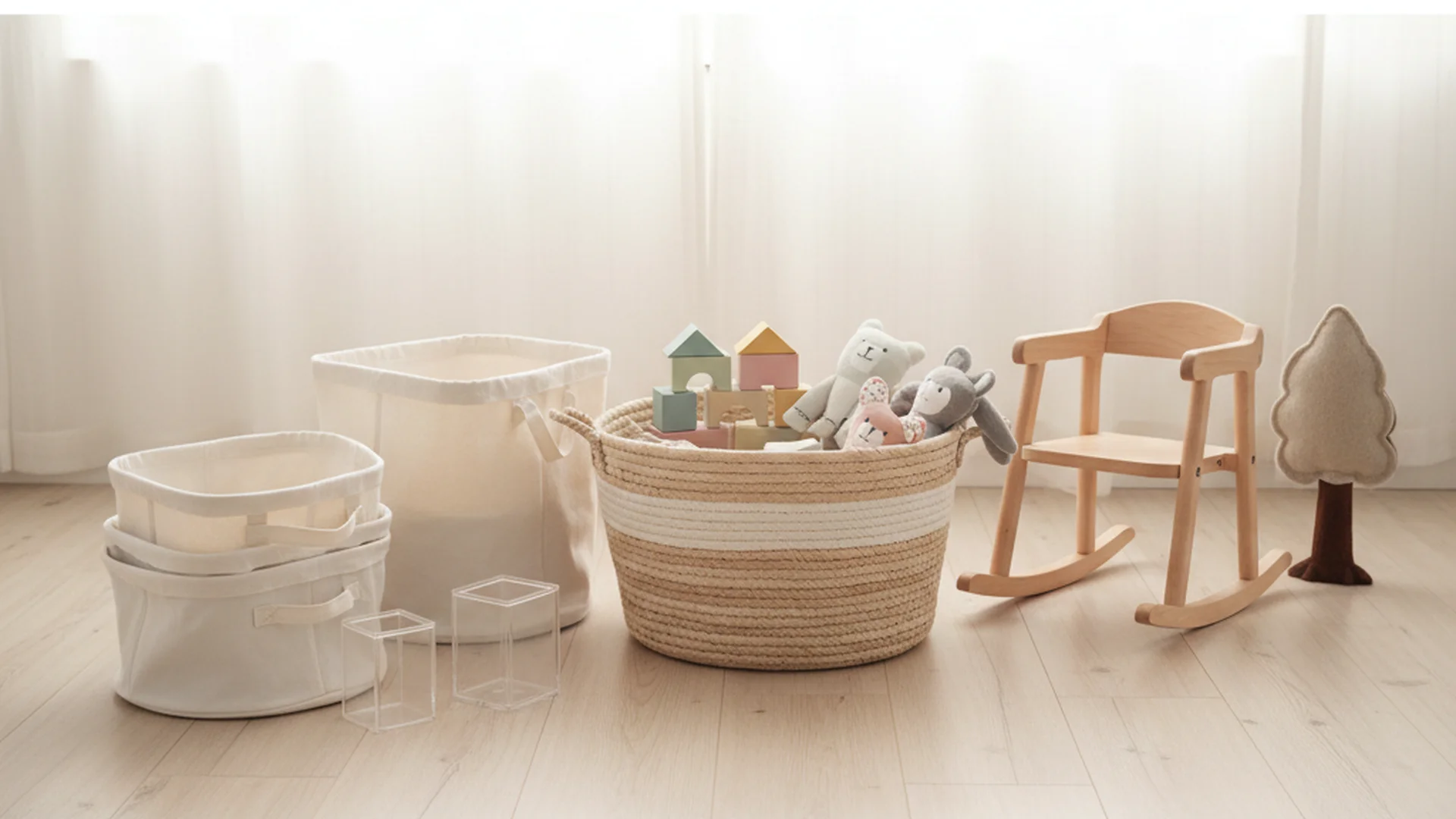
This is the #1 mistake. Many people head to the container store before they have cleared the excess. This results in "organized clutter." You cannot organize your way out of having too much stuff. The Rule: Declutter first, measure second, and buy containers last.
Tackling Sentimental Items Early
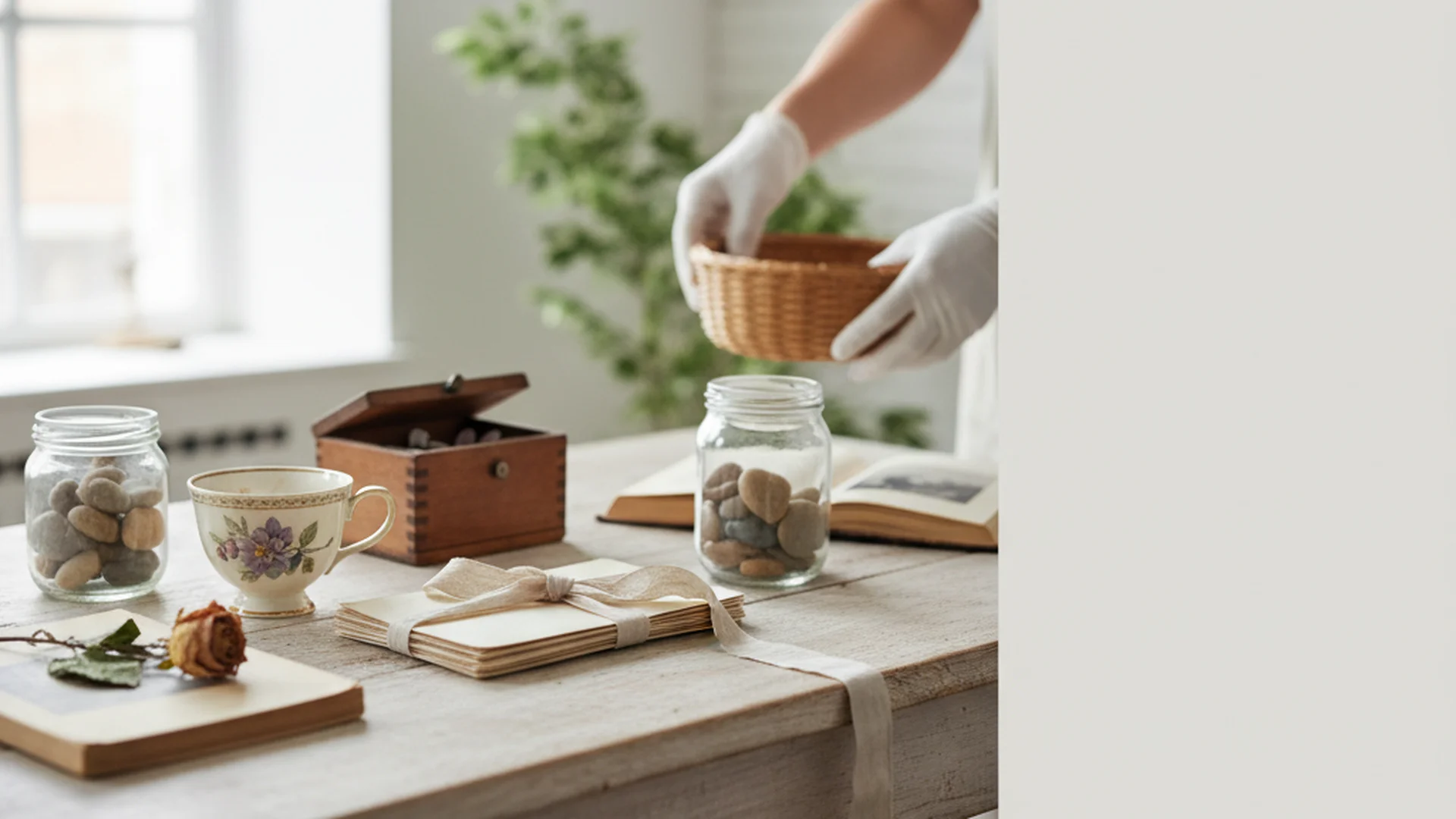
Emotional items require a different kind of mental energy. If you start with a box of old letters, you will likely end up sitting on the floor crying or reminiscing for three hours without actually clearing anything. Save the sentimental "sentimental items" for when your "decluttering muscles" are strong and your home is mostly functional.
Viewing Decluttering as a One-Time Event
Decluttering is not a destination; it is a maintenance habit. The "Daily Reset"—a 5-minute evening sweep to put items back in their homes—is what prevents the overwhelm from returning.
Tip: Treat your home like a high-end hotel. At the end of the night, do a "turn-down service" for yourself by clearing the kitchen counters and fluffing the couch pillows.
Frequently Asked Questions
Where do I even start when the whole house is a mess?
how do I deal with "just in case" items I think I'll need?
How do I get my family on board with decluttering?
Should I clean or declutter first?
Conclusion: Progress Over Perfection
The goal of decluttering when overwhelmed isn't to live in a sterile, empty box. The goal is to create a home that supports your life rather than draining your energy. Remember that a 1% improvement is still progress. If you only manage to throw away three pieces of junk mail today, you are three steps closer to a peaceful home than you were yesterday.
Stop waiting for a "free weekend" that may never come. Start with five minutes, one bag, and the decision to prioritize your mental health over your physical belongings.
Success: By choosing to declutter today, you are reclaiming a real chunk of every day and significantly lowering your stress levels.
Cleaning that keeps score
Every task earns points, every streak multiplies them, and Premium adds a household leaderboard plus a monthly Dustagorgon to beat.
- Free forever
- 30 badges to earn
- Up to 6 in a household
No card needed. Set up your rooms in a couple of minutes.