In this article
What you’ll learn
- Modern household stress is linked to the 'mental load' of planning, not just physical labor.
- Transitioning from 'weekend marathons' to 'micro-burst' cleaning prevents burnout.
- Gamification and age-appropriate tasks are essential for consistent child participation.
Walking into a home filled with scattered toys, a mountain of laundry, and sticky countertops is a universal experience for parents. However, the modern landscape of cleaning challenges families face in 2025 and 2026 has evolved beyond simple mess. It has become a psychological hurdle that impacts mental well-being, relationship dynamics, and child development. As a Domestic Efficiency Specialist, I have observed that the struggle isn't usually a lack of effort, but a lack of sustainable systems that account for the "second shift"—the unpaid labor performed after the professional workday ends.
The Hidden Weight of Household Management
To solve the puzzle of how to navigate the various cleaning challenges families encounter, we must first name the problem. There is a persistent "Second Shift" in most homes. Even in dual-income households, the housework rarely splits evenly, and women typically shoulder more of it. This imbalance leads to "cleaning burnout," a state where the sheer volume of tasks feels insurmountable.
Furthermore, most parents are more exhausted by the mental load—the constant scheduling and noticing of what needs to be done—than by the physical act of cleaning. When your brain is constantly scanning for dust, empty milk cartons, and dirty gym kits, your stress levels stay stubbornly high, and a cluttered house keeps them there.
Real-World Example: The "Always On" Parent
Consider Sarah, a project manager and mother of two. Sarah doesn't just "clean the kitchen." She notices the dishwasher is full, remembers it’s "Pizza Friday" and needs the pans, realizes the detergent is low, adds it to a digital grocery list, and then wipes the counters. The physical cleaning took five minutes; the mental processing took twenty.
Moving from Power Cleaning to Micro-Habits
The biggest mistake most families make is "waiting for the weekend." We treat Saturday as a marathon cleaning day, which effectively robs the family of bonding time and leaves everyone resentful. To overcome cleaning challenges families ideas must shift toward "systems over strength."
The "Closing Shift" Method
Borrowed from the restaurant industry, the "Closing Shift" involves a 15–20 minute house reset every night. This isn't a deep clean; it’s a functional reset.
- Clear Surfaces: Wipe down the main kitchen island and dining table.
- The Floor Sweep: Run a quick vacuum or robot mop in high-traffic zones.
- Dish Neutrality: Ensure the sink is empty before bed.
Success: Waking up to a "neutral" home reduces morning cortisol spikes and sets a productive tone for the entire day.
Zonal Cleaning Strategies
Instead of looking at the house as one giant project, divide it into zones. Assign specific days to specific areas.
- Monday: "Wet Rooms" (Bathrooms and laundry).
- Tuesday: "Living Zones" (Dusting and vacuuming the lounge).
- Wednesday: "Kitchen Deep-Dive" (Appliances and pantry).
Tip: Use the "5-Minute Rule." If a task takes less than five minutes—like taking out the trash or loading the dishwasher—do it immediately. This prevents "micro-clutter" from snowballing into a weekend crisis.
Engaging the Whole Family: The Gamification Revolution
One of the primary how to cleaning challenges families questions I receive is: "How do I get my kids to help without a fight?" The answer lies in gamification and the 2026 trend of "Identity-Based Chores."
Age-Appropriate Involvement
Children as young as two can participate in home maintenance. The key is to build the "identity" of a helper early on.
- Ages 2–4: Putting toys in a specific bin, "dusting" with a clean sock on their hand.
- Ages 5–8: Sorting laundry by color, setting the table, feeding pets.
- Ages 9–12: Loading the dishwasher, vacuuming their own rooms, folding towels.
Gamified Cleaning Ideas
To make chores less of a burden, turn them into a challenge.
- The "Beat the Clock" Challenge: Set a timer for 10 minutes. Everyone must pick up as many items as possible before the buzzer goes off.
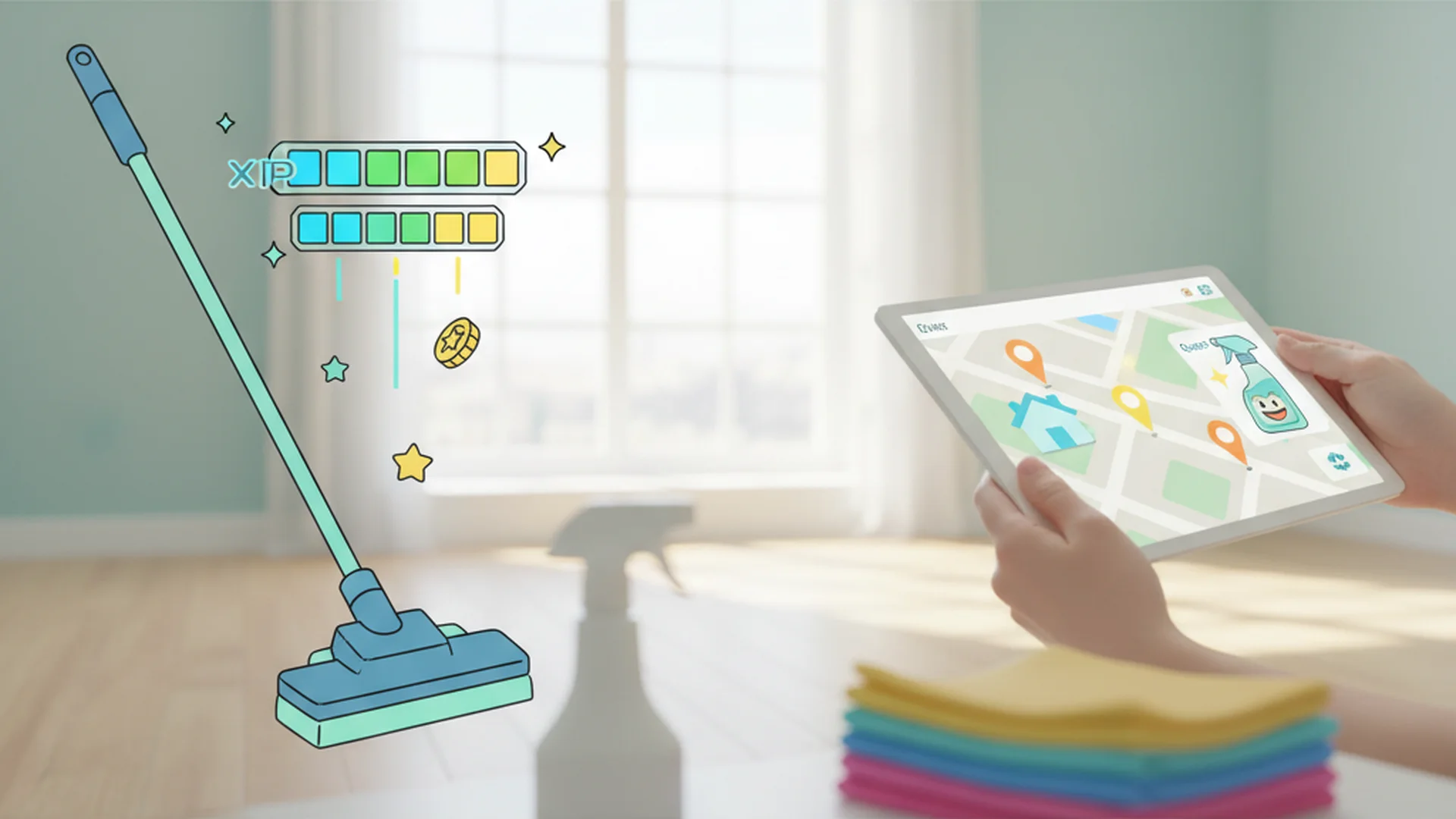
- Chore Tokens: Use a physical or digital token system where completed tasks earn points toward a family "experience" (like a movie night or a trip to the park).
- Body Doubling: This is particularly effective for neurodivergent family members. Simply being in the same room while cleaning—even if working on different tasks—increases focus and accountability.
Note: Cleaning is a skill that must be taught. Avoid saying "clean your room," which is too vague. Instead, provide a checklist: "Put LEGOs in the bin, put dirty clothes in the hamper, and clear the desk."
The 2026 Tech Corner: AI and Automation
The landscape of home maintenance has shifted toward high-tech, low-stress solutions. If you are struggling with cleaning challenges families, it might be time to delegate to silicon and steel.
AI-Integrated Scheduling
New apps like Tody or FlyLady AI now sync with smart home hubs. They use sensor data to predict when floors need mopping based on foot traffic and local weather patterns (more mud tracked in on rainy days). This removes the "mental load" of deciding when to clean.
Robotic Multi-Taskers
The current generation of robot vacuums is a far cry from the "bump-and-turn" models of the past. In 2026, we see units that self-refill, self-empty, and even use heat-drying for mops to prevent mildew. These machines require human intervention only once every 60 days.
| Tool Type | 2026 Innovation | Benefit for Families |
|---|---|---|
| Robot Vacuums | Self-Drying Mops | Prevents odors and bacteria buildup automatically. |
| AI Apps | Predictive Scheduling | Removes the "mental load" of planning. |
| Cleaning Concentrates | Tablet-based Refills | Reduces plastic waste and saves cabinet space. |
Warning: While automation helps, it isn't a silver bullet. You still need a "tidy" floor for a robot vacuum to work. Automation solves cleaning (dirt removal), but humans must still solve tidying (putting things away).
Common Mistakes to Avoid
Even with the best intentions, many families fall into traps that increase their stress levels.
1. Confusing Tidying with Cleaning
Tidying is the act of putting objects back in their designated places. Cleaning is the act of removing dirt, germs, and grime. You cannot effectively clean a house that isn't tidied. Many families fail because they try to do both at once, which leads to exhaustion.
2. The Perfectionism Trap
Social media has created an unrealistic standard for "the aesthetic home." In 2026, the "Low-Demand Cleaning" movement is gaining traction. It prioritizes function over perfection. Follow the 80% Rule: If the house is 80% clean, it is a success. A lived-in home is a sign of a healthy family.
3. Buying More Storage
You cannot organize your way out of having too much stuff. Families often buy bins and shelving units when they actually need to declutter. Before buying a new storage solution, donate or discard items that haven't been used in 12 months.
4. Saving it for the Weekend
As mentioned, "weekend marathons" destroy family morale. By spreading tasks into 15-minute daily "micro-bursts," you reclaim your Saturday for rest and recreation.
Frequently Asked Questions
How do I clean when I’m constantly overwhelmed and exhausted?
What is the most efficient way to clean a house with toddlers?
What are the best non-toxic cleaning products that actually work?
How do I stay on top of the laundry mountain?
Conclusion
The cleaning challenges families face today are a mix of time constraints, mental exhaustion, and high expectations. By shifting from "power cleaning" to sustainable micro-habits like the Closing Shift, and by utilizing the latest in AI and gamification, you can transform your home from a source of stress into a sanctuary. Remember, the goal isn't a museum-quality display; it’s a functional, healthy space where your family can thrive.
Success: Implementing just one of these systems—like the 15-minute nightly reset—can noticeably lower household stress within the first week.
Cleaning that keeps score
Every task earns points, every streak multiplies them, and Premium adds a household leaderboard plus a monthly Dustagorgon to beat.
- Free forever
- 30 badges to earn
- Up to 6 in a household
No card needed. Set up your rooms in a couple of minutes.